
They Were Children First: The Unanswered Questions of the Casa Pia Mercury Trial
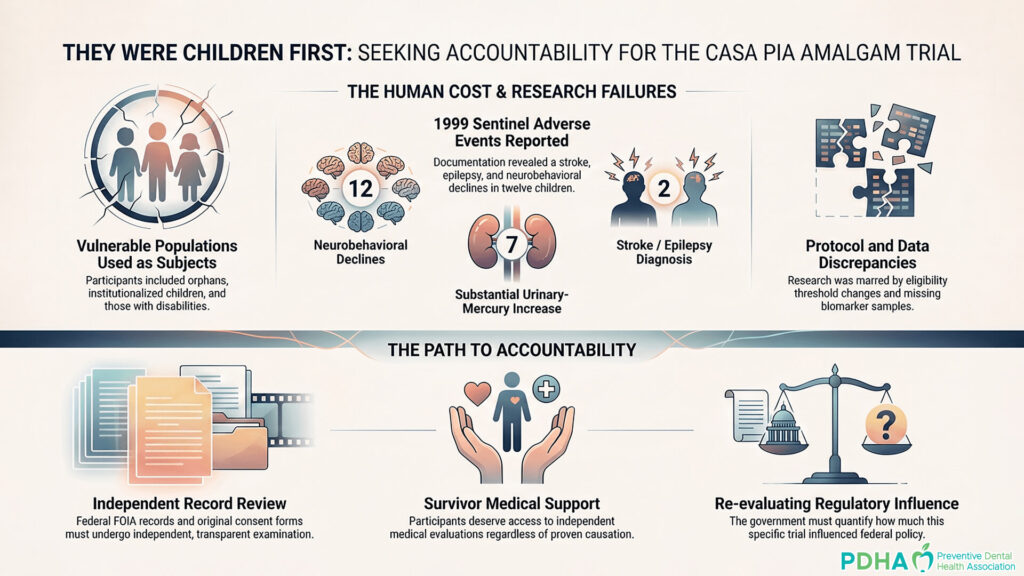
It is easy, after twenty years, to turn Casa Pia into an argument about regulatory classification. That would be a mistake. The people at the center of this story were children. They did not design the study. They did not write the protocol. They did not decide which material would be placed in their teeth. They did not select the investigators. They did not determine which outcomes would be measured. They did not decide which data would be available for analysis. And they did not write the regulatory rules that eventually cited the scientific record generated by their participation. Many were already vulnerable before the study began.
How a Study Became a Regulatory Benchmark – and Why the Ground Has Shifted
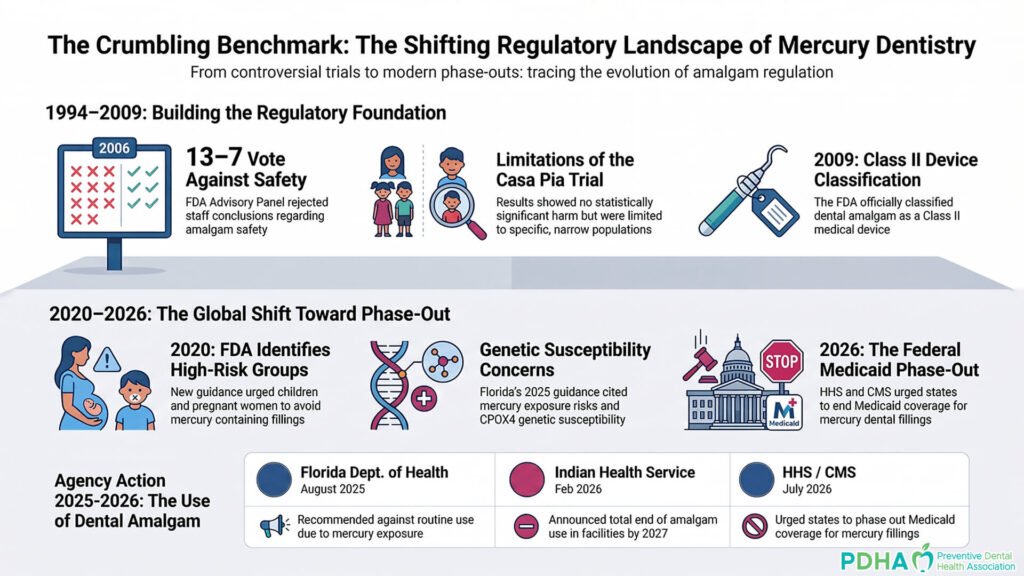
In 2006, FDA staff prepared a White Paper concerning potential adverse health risks associated with mercury in dental amalgam. The agency then brought the issue before a joint advisory panel in September 2006. The panel did not simply endorse the FDA staff’s conclusion. According to the contemporaneous record, the panel voted 13–7 against accepting the FDA staff’s safety conclusion.
The Evidence That Never Made the Headlines: Revisiting the Casa Pia Mercury Trial
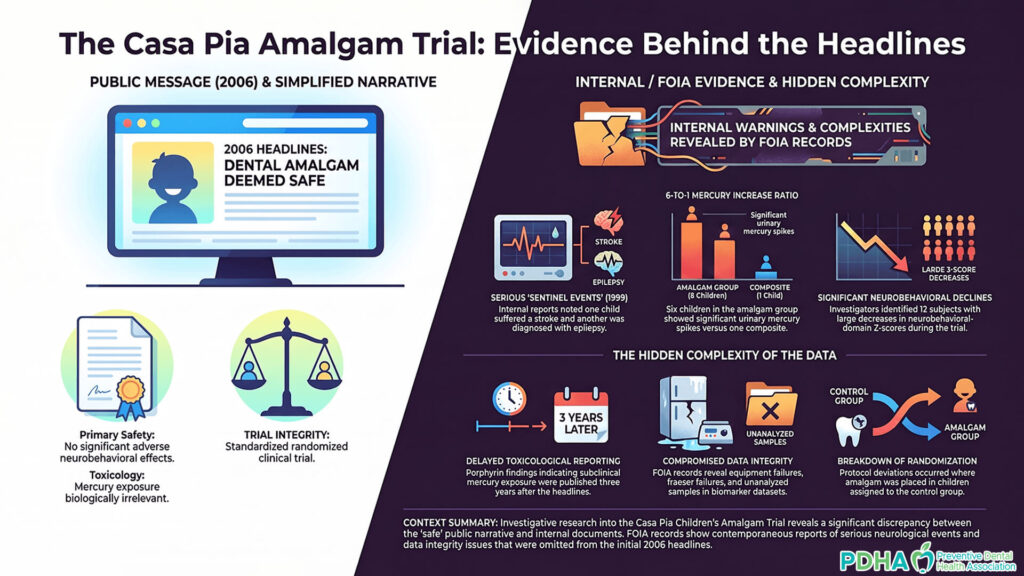
One of the most important documents I obtained through the Freedom of Information Act is a September 15, 1999 Report to the Data and Safety Monitoring Board for the Casa Pia Children’s Amalgam Trial. This document was written while the trial was still underway. It is not a retrospective interpretation. It is a contemporaneous report from the investigators to the body charged with monitoring the safety of the study.
How a U.S. Government Mercury Trial Became a Benchmark for Dental Amalgam – and Why Its Record Demands to Be Reopened
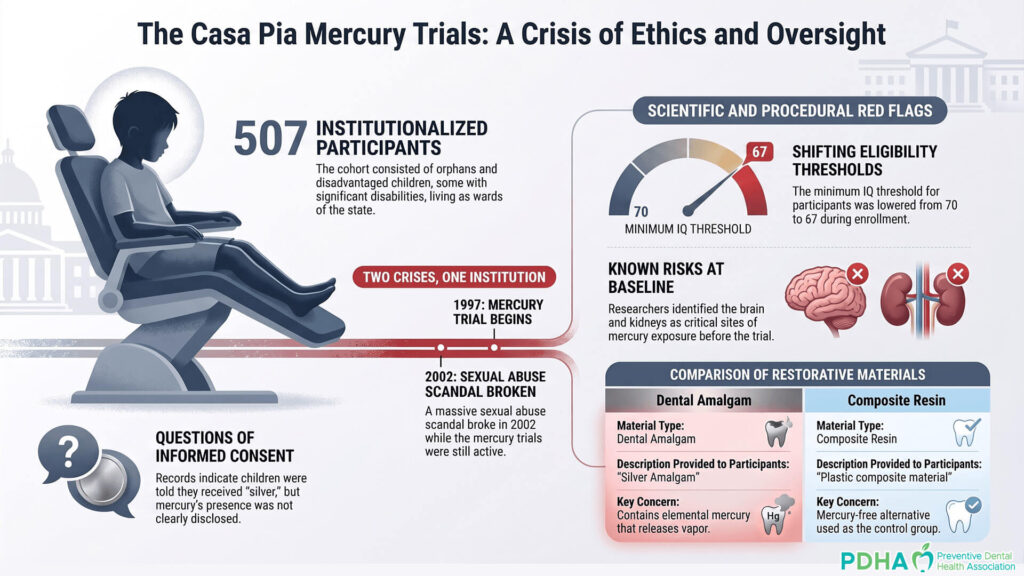
In 2012, I traveled from California to Portugal with the late documentary filmmaker Kelly Gallagher. Together with Portuguese investigative journalist Rita Marrafa de Carvalho of Rádio e Televisão de Portugal (RTP), Portugal’s national public broadcaster, we went into one of the country’s darkest chapters.
PDHA Urges Immediate End to Medicaid Coverage of Mercury Amalgam Fillings Following Historic HHS Notification
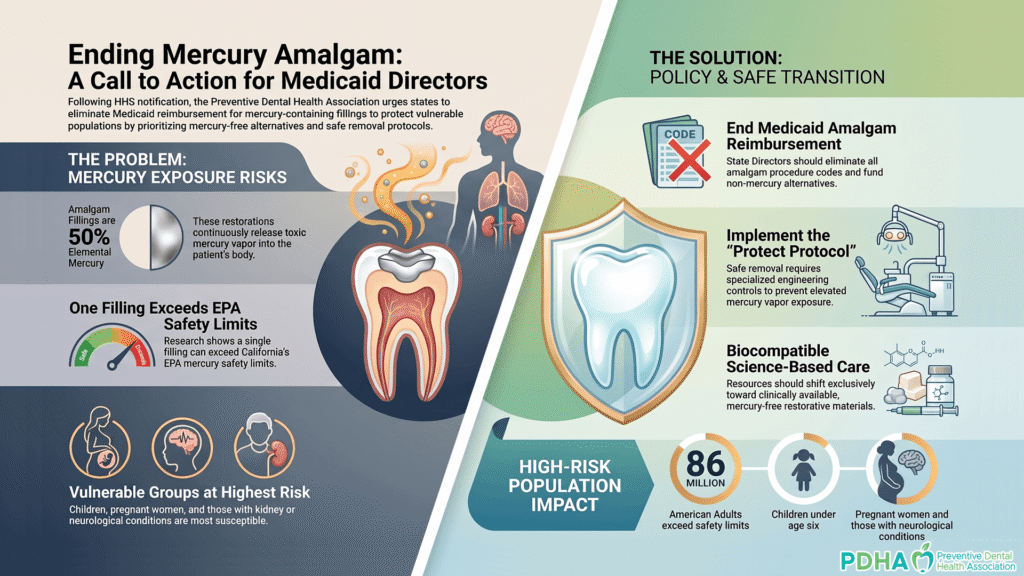
The Preventive Dental Health Association (PDHA) calls upon all State Medicaid Directors to immediately end coverage of mercury-containing dental amalgam fillings, acting decisively on the recent historic notification from the U.S. Department of Health and Human Services (HHS) that urges states to restrict or eliminate reimbursement for these materials in order to reduce unnecessary toxic mercury exposure for patients.
FDA Testimony: The Hidden Reality of Mercury Amalgam Fillings
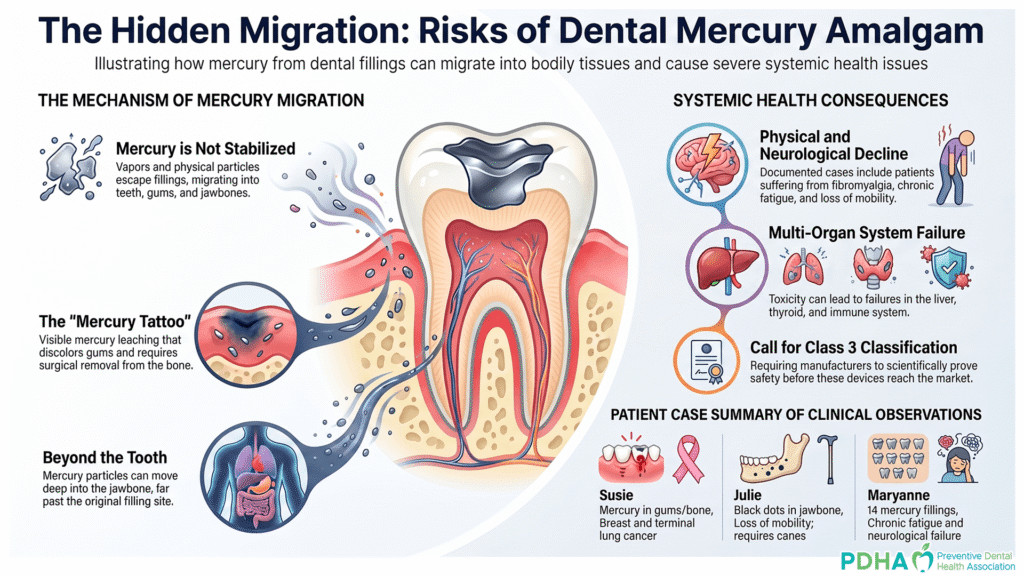
For decades, the dental industry has sold the public on the “silver” filling—a quick, affordable fix for cavities. But behind the aesthetic promise of a silver smile lies a medical scandal that the American Dental Association (ADA) has spent years downplaying. While we have long been told these amalgams are “stable,” the harrowing testimony of Dr. Michael Margolis before the FDA reveals a toxic oversight: mercury does not stay trapped in your teeth. It migrates. It seeps. It embeds itself into your very foundation – your bones and your gums.
Beyond the Filling: The Hidden Impact of Dental Mercury on Pediatric Health

Dental cavities are more than just a childhood rite of passage; they are a global health crisis. According to the Global Burden of Disease study, dental caries rank as the most widespread condition affecting permanent teeth, with approximately 560 million children impacted worldwide.
The IABDM PROTECT Protocol: Advancing Safe Mercury Amalgam Removal in Biological Dentistry

The International Academy of Biological Dentistry and Medicine (IABDM) is a leader in promoting biological dentistry, an approach that recognizes the profound connection between oral health and overall wellness. Among its many contributions to this field, the IABDM has developed the PROTECT Protocol, a comprehensive framework designed to ensure the safe removal of mercury amalgam […]
The IABDM PROTECT Protocol Enables Dentists to Protect Themselves & Employees from Dental Mercury Exposures

Most dentists are unaware of a critical danger lurking in their practices: mercury exposure during dental amalgam removal. This routine procedure releases mercury vapors and particles, posing serious health risks to dental staff, including neurological and respiratory issues. Compounding this problem is the widespread lack of knowledge about Occupational Safety and Health Administration (OSHA) regulations […]
The Safe Removal of Mercury Amalgam Dental Fillings.
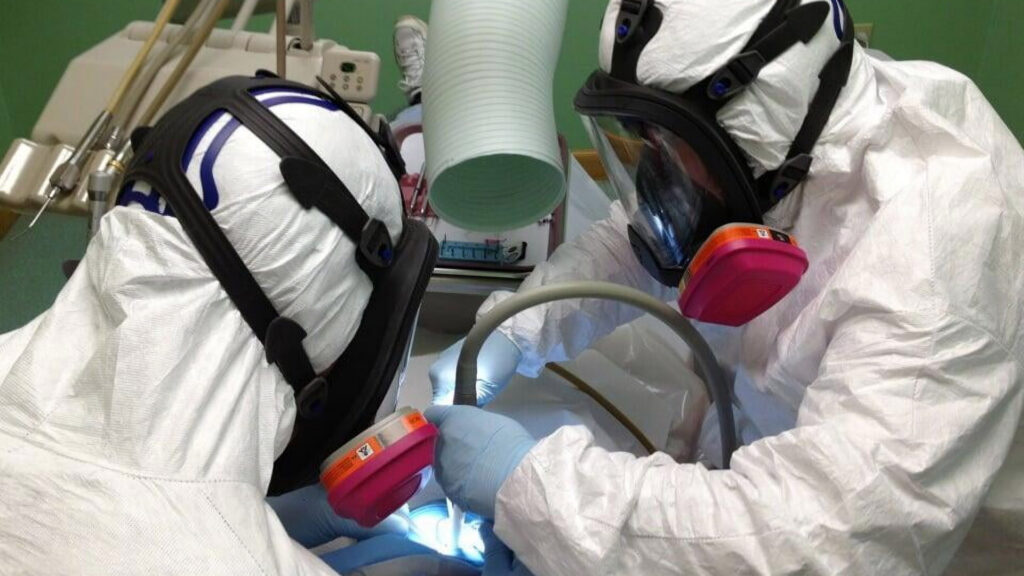
The International Academy of Oral Medicine and Toxicology (IAOMT) has created the Safe Mercury Amalgam Removal Technique (SMART) to protect dental patients, dental staff and the environment from the mercury generated during the removal of an amalgam filling. The IAOMT created the SMART recommendations based on years of patient demand, scientific research, occupational safety requirements, […]