THE CHILDREN OF CASA PIA
Part 1 of 4: Two Crises, One Institution
By Anita Vazquez Tibau
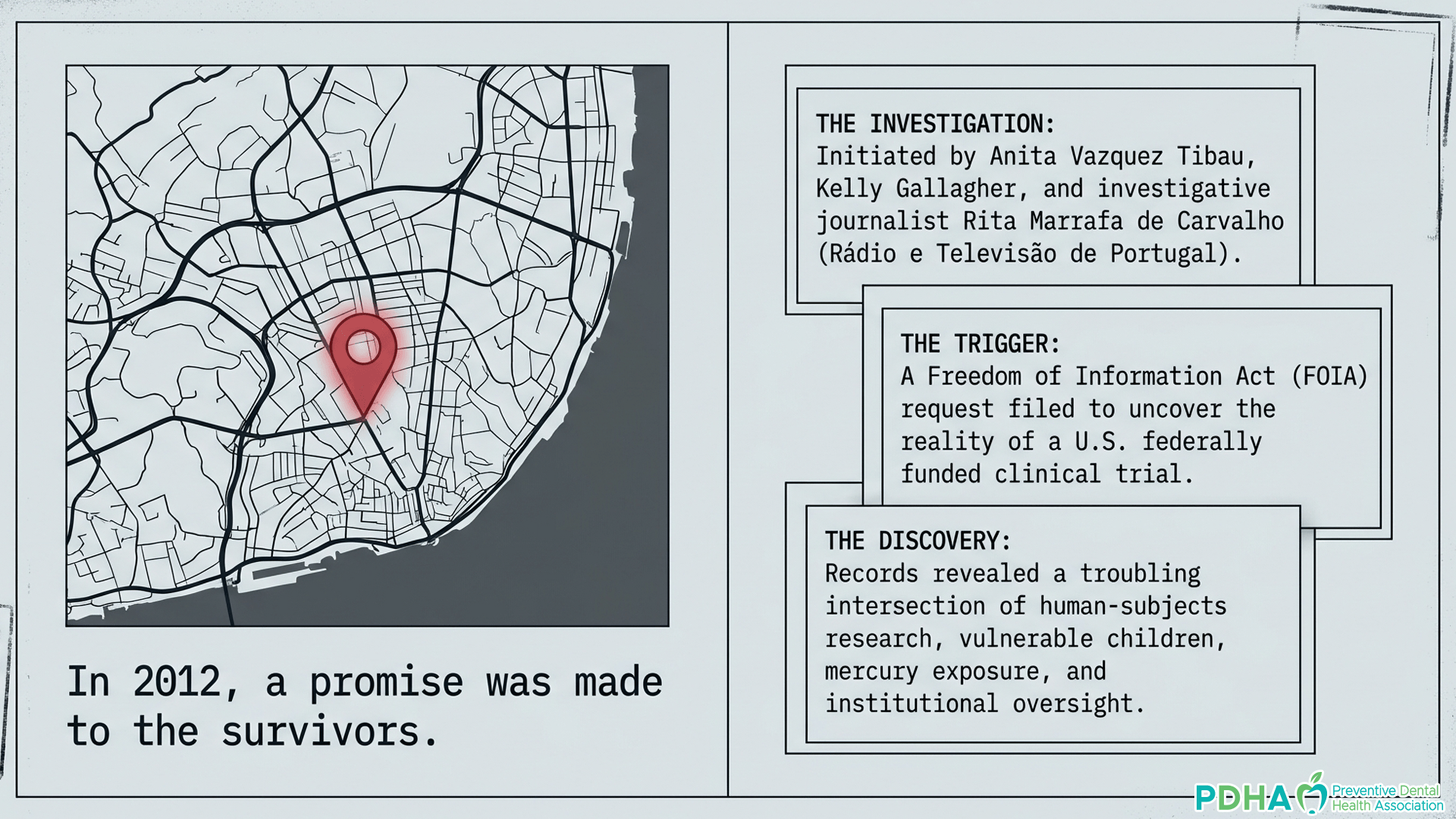
In 2012, I traveled from California to Portugal with the late documentary filmmaker Kelly Gallagher. Together with Portuguese investigative journalist Rita Marrafa de Carvalho of Rádio e Televisão de Portugal (RTP), Portugal’s national public broadcaster, we went into one of the country’s darkest chapters.
We met survivors of the Casa Pia institutions.
We sat with them.
We listened.
Many of these survivors had already suffered profound abuse and institutional neglect. Some would later become part of a federally funded clinical trial in which mercury-containing dental amalgam was deliberately placed in their mouths.
I made those survivors a promise.
I told them their story would not disappear.
That promise eventually led me to file a Freedom of Information Act request.
The records I received, together with the published scientific literature and federal regulatory documents, reveal a troubling intersection of human-subjects research, vulnerable children, mercury exposure, institutional oversight, scientific uncertainty, and federal policy.
The record does not prove every allegation that has been made about the Casa Pia trials.
It does, however, establish enough unanswered questions that, in my opinion, the history deserves an independent investigation.
This is not simply the story of an old dental study.
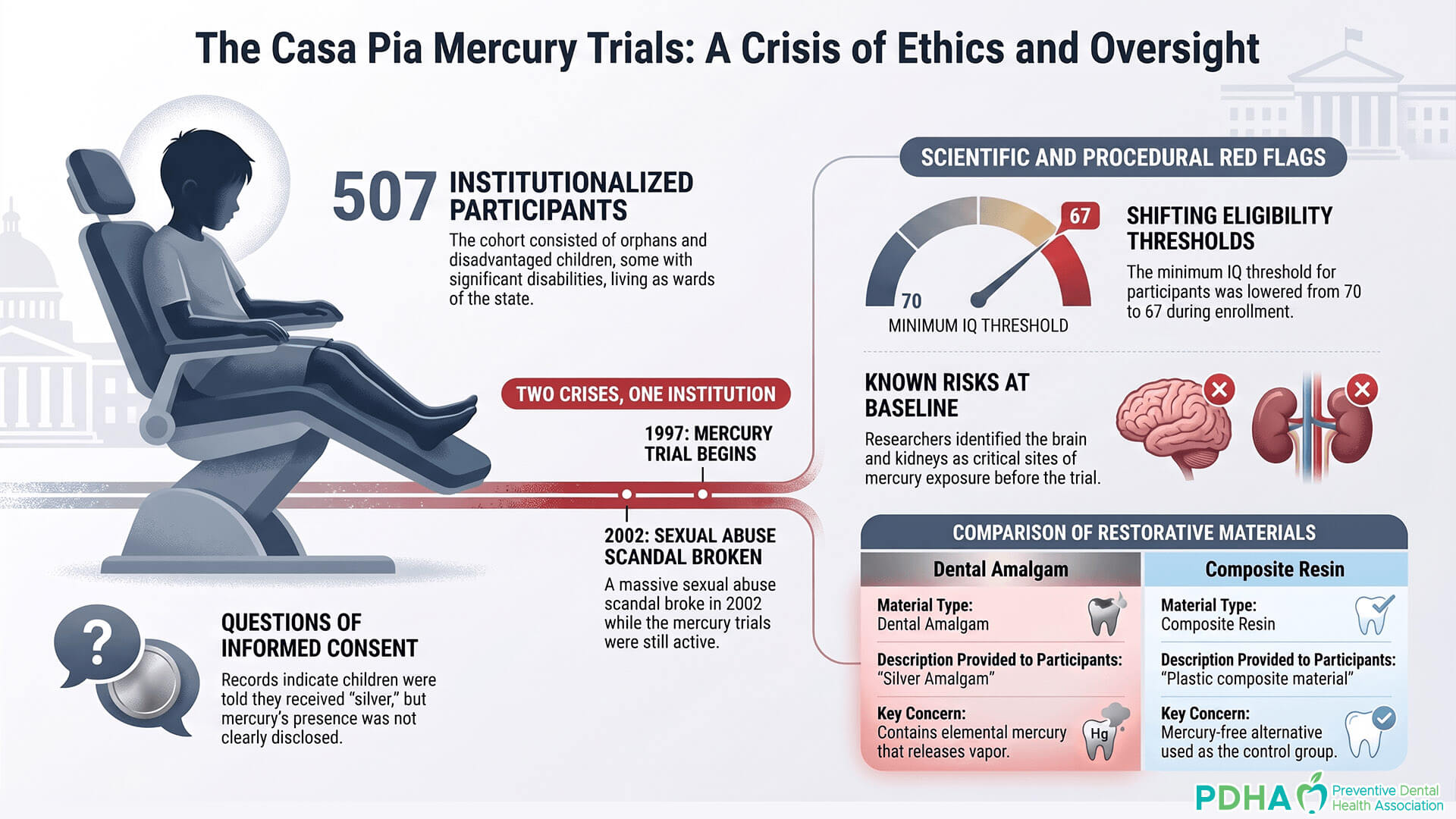
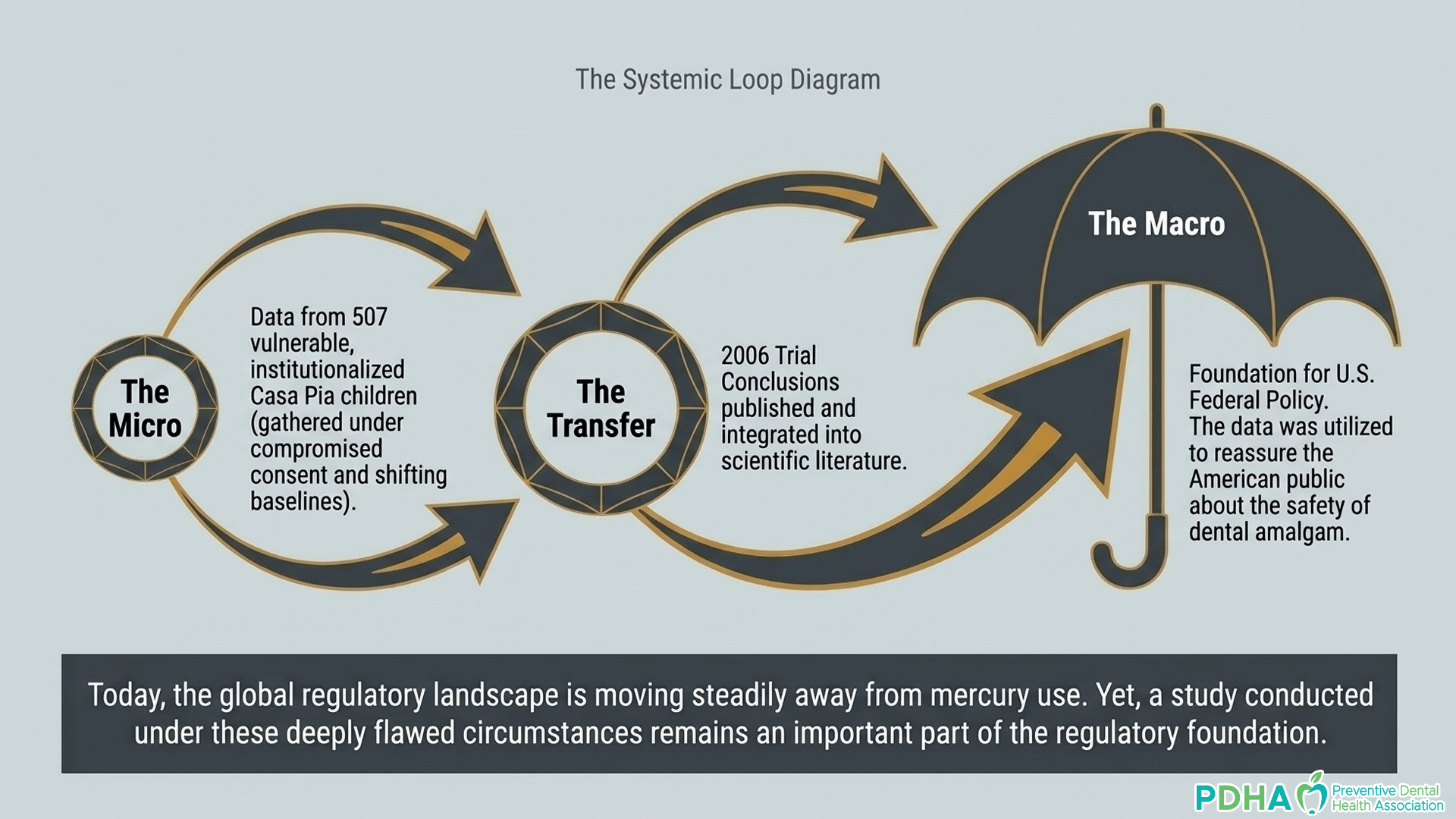
It is the story of 507 children recruited from the Casa Pia school system in Lisbon, Portugal, who became participants in a randomized clinical trial comparing mercury-containing amalgam with mercury-free composite restorations.
It is the story of what happened when a child-protection crisis erupted inside the same institutional system where the research was being conducted.
It is the story of consent, eligibility, protocol deviations, toxicological measurements, sentinel events, missing data, scientific disagreements, and federal oversight.
And it is the story of how the results of that research became part of the evidence used in the United States to reassure the public about dental amalgam – while the regulatory landscape is now moving steadily in the opposite direction.
The question is no longer simply whether the 2006 conclusions were right or wrong.
The question is whether the children who participated were adequately protected, whether the research answered the questions it was supposed to answer, whether its limitations and adverse events were fully disclosed, and whether a study conducted under these circumstances should ever have become an important part of the regulatory foundation for continued use of mercury-containing dental amalgam.
The children deserve those questions to be answered.
TWO CRISES. ONE INSTITUTION. ONE OVERLAPPING TIMELINE.
Beginning in 2002, Portugal was consumed by the Casa Pia sexual-abuse scandal.
Casa Pia was a government-operated network of residential schools serving orphaned and disadvantaged children. Criminal investigations ultimately revealed a longstanding pattern of sexual abuse involving children connected to the institutions.
The scandal became international news.
And while Portugal was confronting that crisis, another project was already operating inside the same institutional system.
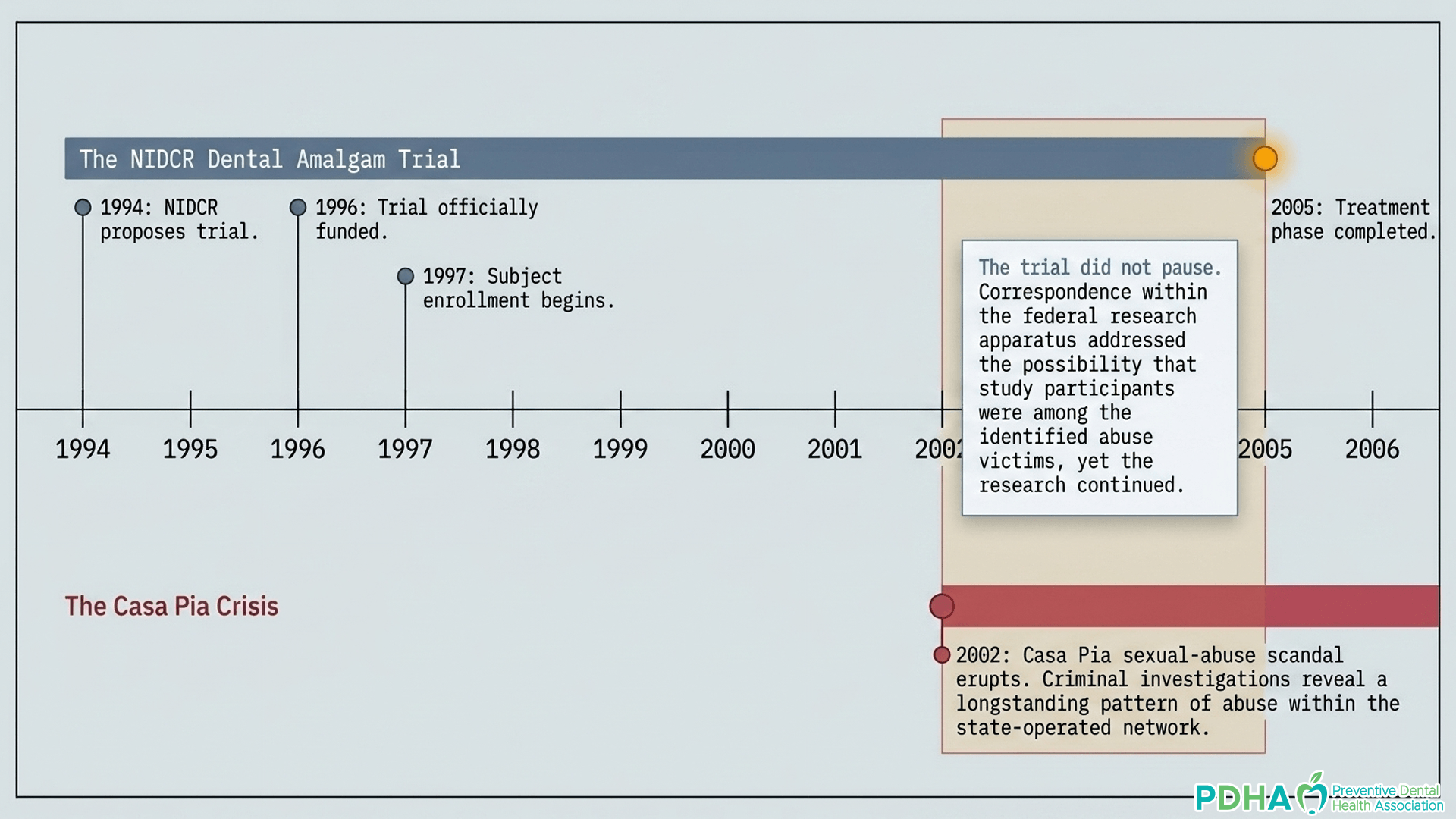
The National Institute of Dental and Craniofacial Research (NIDCR) had proposed randomized clinical trials of dental amalgam in children in 1994. The rationale was straightforward: children have smaller body masses and developing organ systems, making potential toxic exposures particularly important to study. The resulting Children’s Amalgam Trials were funded in 1996, and enrollment began in 1997. The Casa Pia cohort ultimately included 507 children.
The children were randomized to receive either amalgam restorations containing mercury or composite-resin restorations.
The study was designed to follow neurobehavioral and renal outcomes over years.
The critical fact is the timeline.
The trial began years before the Casa Pia abuse scandal became public.
But it did not end when the scandal became public.
According to the FOIA records I obtained, correspondence within the federal research apparatus addressed the possibility that study participants could be among the children identified as abuse victims. The records also raise questions about how officials considered the overlap and the potential consequences of continuing the research.
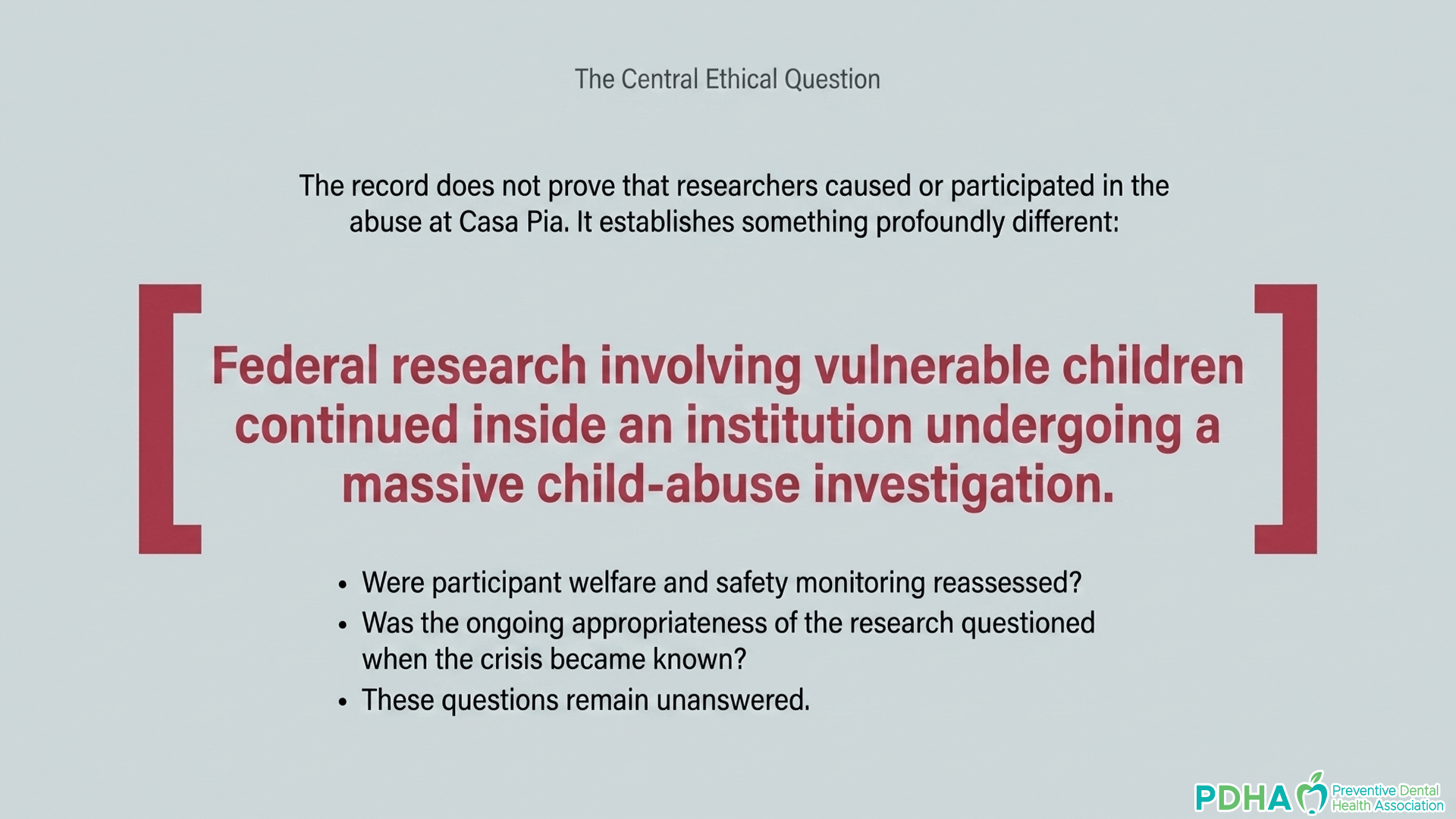
Federal research involving vulnerable children continued inside an institution undergoing a massive child-abuse investigation, and the records warrant an independent examination of what researchers and federal officials knew, when they knew it, and what they did in response.
For children who were wards of the state, that distinction matters.
The central ethical question is not whether every person involved in the trial knew everything that was happening inside Casa Pia.
It is whether, once serious allegations concerning children in the research population became known, the responsible institutions adequately reassessed consent, assent, participant welfare, safety monitoring, and the continued appropriateness of the research.
That question remains unanswered.
THE CHILDREN WERE GIVEN A CHOICE BETWEEN TWO MATERIALS
The FOIA record provides an important correction to the way the consent process has sometimes been characterized.
The children were not merely being told that one filling was “shiny” and another was “white.”
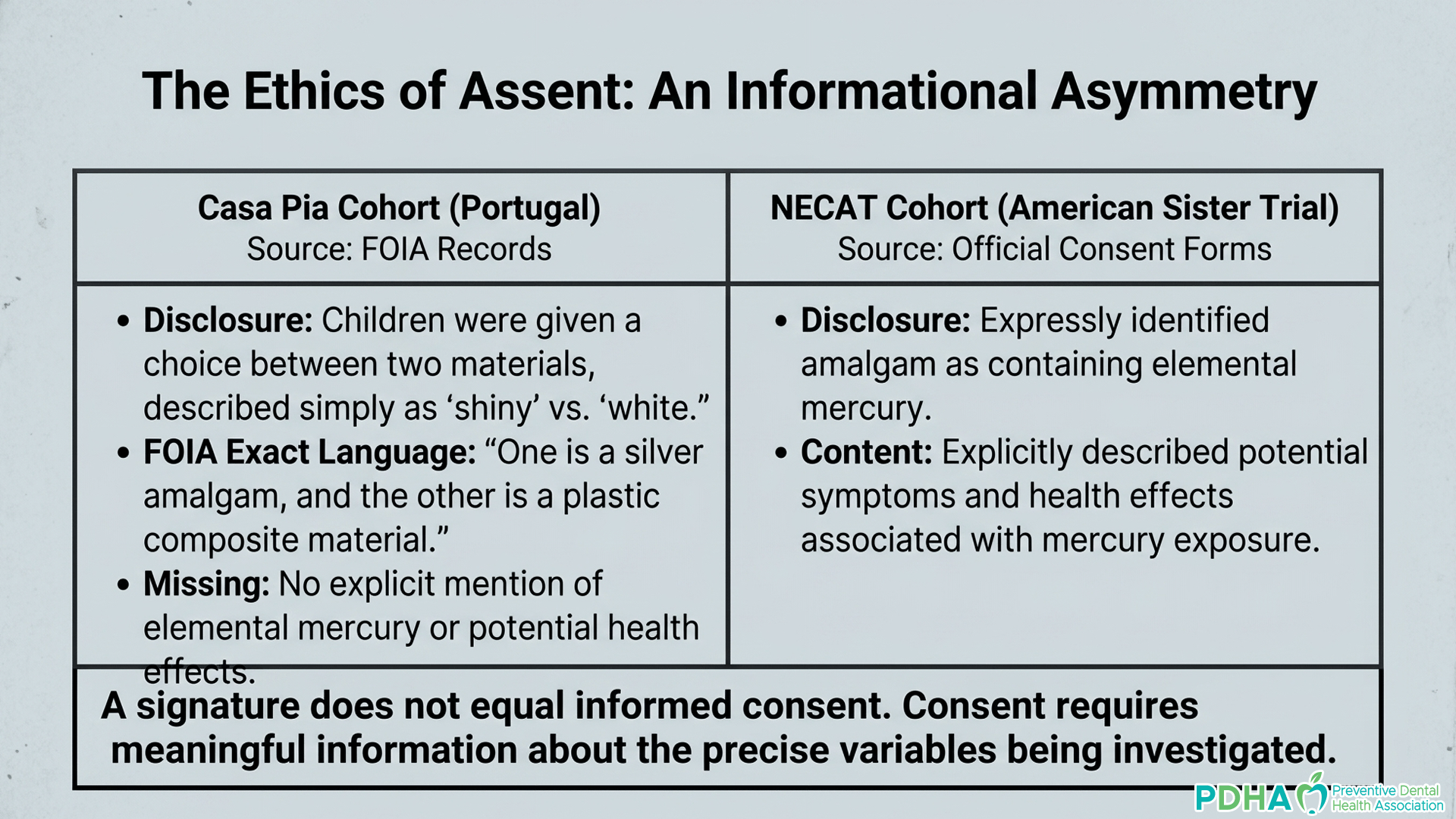
The FOIA language describes the materials directly:
“One is a silver amalgam, and the other is a plastic composite material.” ¹
That language matters.
It identifies the two restorative materials.
But it also makes the next question unavoidable:
What information were the children and their guardians given about what “silver amalgam” actually contained?
A signature alone does not answer that question.
The relevant issue is whether the consent and assent process adequately disclosed that amalgam contains elemental mercury, that mercury vapor is released from amalgam, and that potential health effects associated with mercury exposure were among the very issues being investigated.
The American sister trial, NECAT, used consent language that expressly identified amalgam as containing mercury and described potential symptoms associated with mercury exposure.
The Casa Pia materials should therefore be examined carefully to determine what was disclosed to the children and guardians, when it was disclosed, and how that information was presented.
I am not claiming that the FOIA consent language, standing alone, proves that informed consent was legally invalid.
I am saying that in my opinion, the question is serious enough that it should never have been left unanswered.
THE SCIENCE WAS NOT A BLANK SLATE
The strongest defense of the Children’s Amalgam Trials has always been that they were designed to answer an unresolved scientific question.
There is truth in that.
The investigators themselves described the controversy surrounding amalgam and the need for randomized evidence. The design paper states that previous research had raised concerns about chronic mercury-vapor release from amalgam and that children were an important population in which to investigate potential effects.
But there is an equally important distinction.
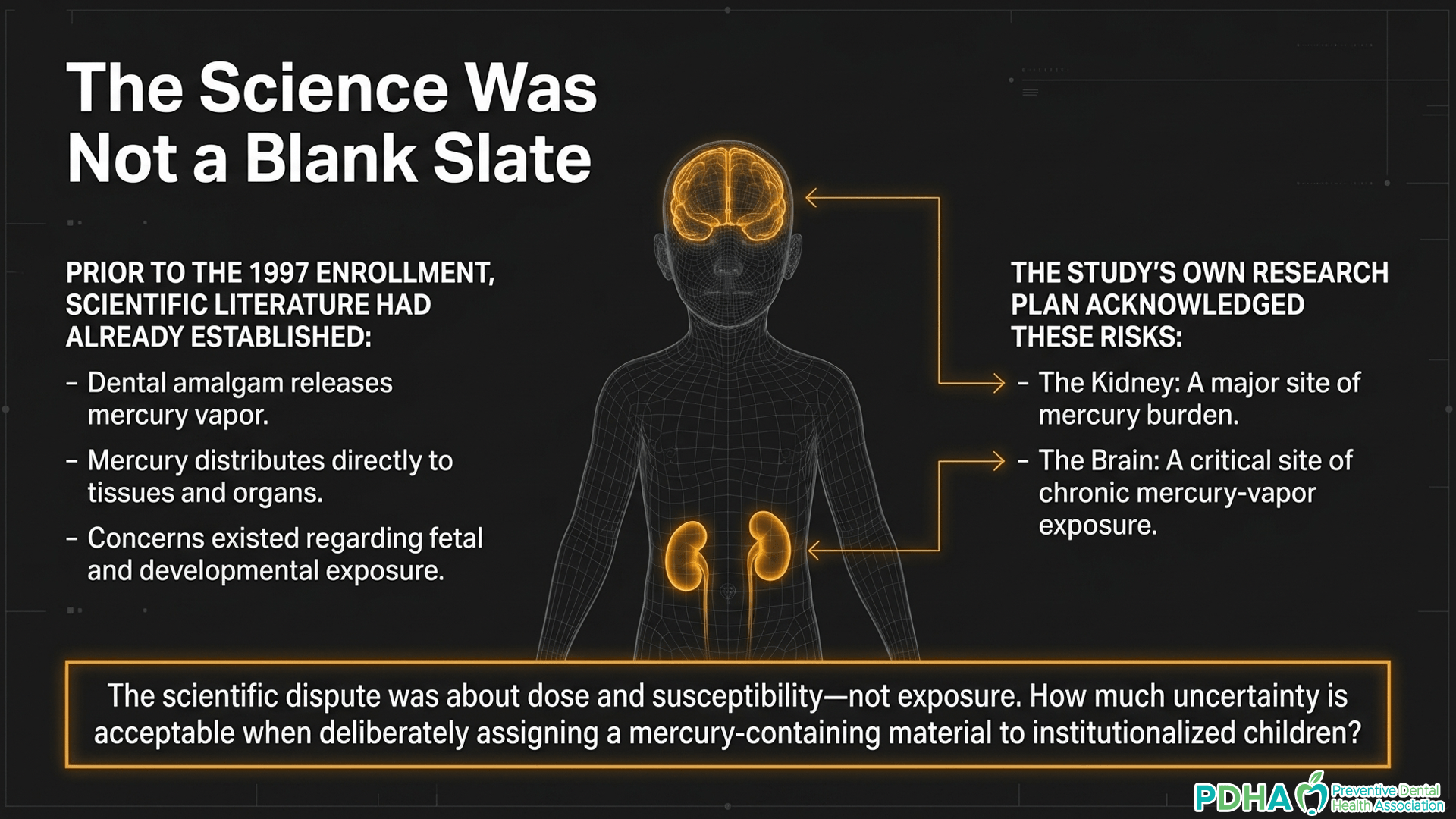
By the time the Casa Pia children were enrolled, it was already known that mercury was released from dental amalgam and that mercury exposure could be measured in the human body.
The scientific dispute was not whether mercury entered the body.
It did.
The questions were about dose, distribution, susceptibility, and health consequences.
Earlier research had reported mercury distribution to organs and tissues, including the brain and kidneys, and research before the Casa Pia trial had raised concerns about fetal and developmental exposure.
The ethical question therefore becomes more precise:
How much uncertainty was acceptable before deliberately assigning a mercury-containing restorative material to institutionalized children, particularly when mercury-free restorative materials were already available?
That is the question the public discussion of Casa Pia too often skips.
The study’s own research plan is important here. The records describe the kidney as a major site of mercury burden and identify the brain as a critical site of chronic mercury-vapor exposure.
That does not prove that the children were harmed.
It does show that the researchers understood, before the trial began, that mercury exposure was biologically consequential and that the organs of greatest concern included precisely the organs later examined for possible effects.
The ethical burden was therefore substantial.
507 CHILDREN WERE NOT AN ORDINARY STUDY POPULATION
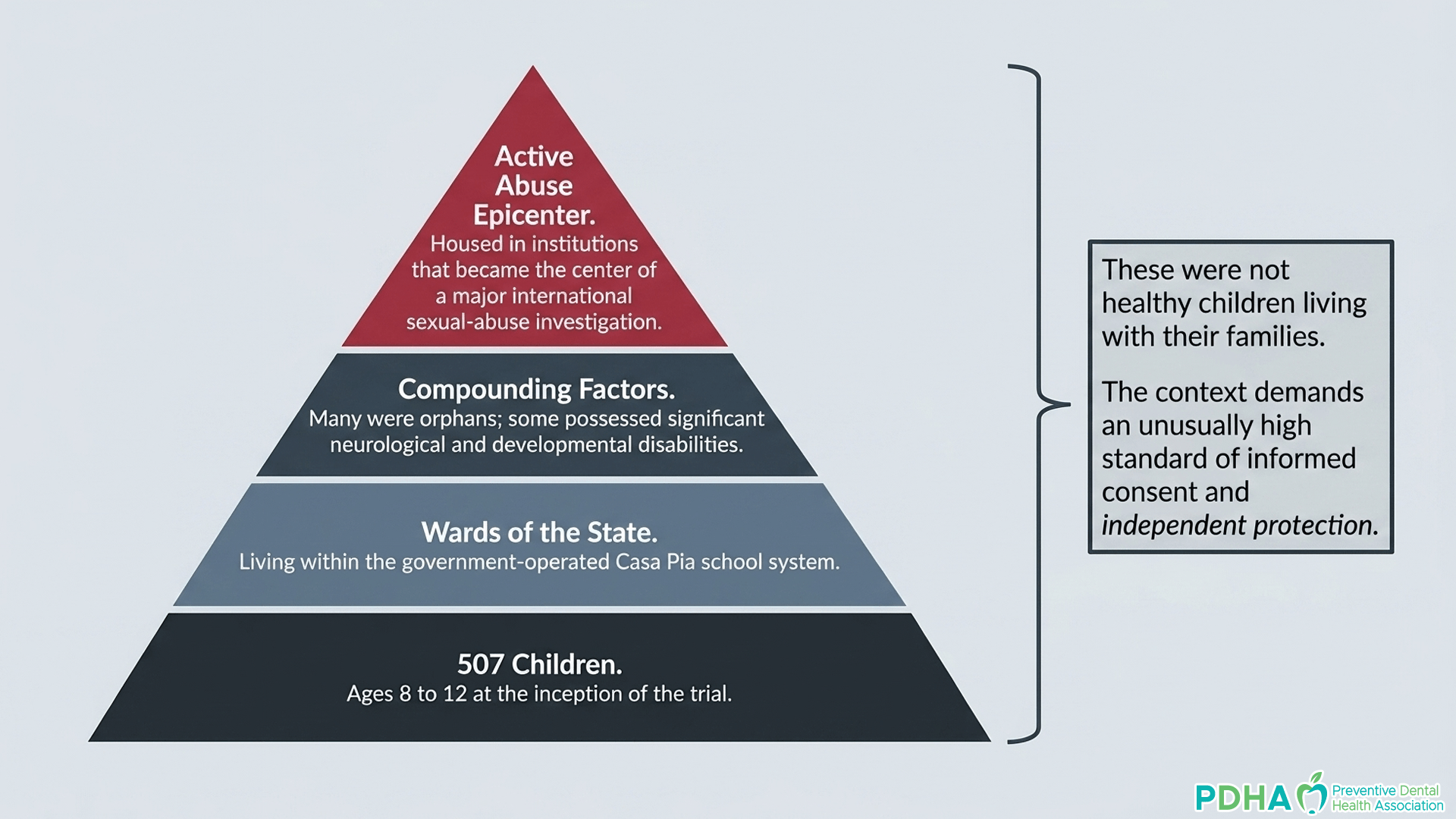
The Casa Pia cohort consisted of 507 children living within the Casa Pia school system in Lisbon.
The published research describes them as children between approximately 8 and 12 years old at inception, randomized to amalgam or composite treatment groups.
The cohort was not simply a random sample of healthy children living with their families.
These were institutionalized children.
Some had significant disabilities.
Some were orphans.
And the institutions in which they lived later became the center of a major sexual-abuse investigation.
That context does not automatically invalidate the science.
It does, however, make the question of informed consent and independent protection unusually important.
The original manuscript states that consent forms were signed by guardians and that the children provided assent. Published follow-up material similarly describes written guardian consent and child assent.
That published description is important – but it is not the end of the inquiry.
The FOIA and consent documents raise a different question:
What exactly were the children and guardians told about mercury exposure?
That question matters because consent is not merely a signature.
Consent requires meaningful information.
THE ELIGIBILITY BAR CHANGED
The trial’s eligibility criteria also deserve scrutiny.
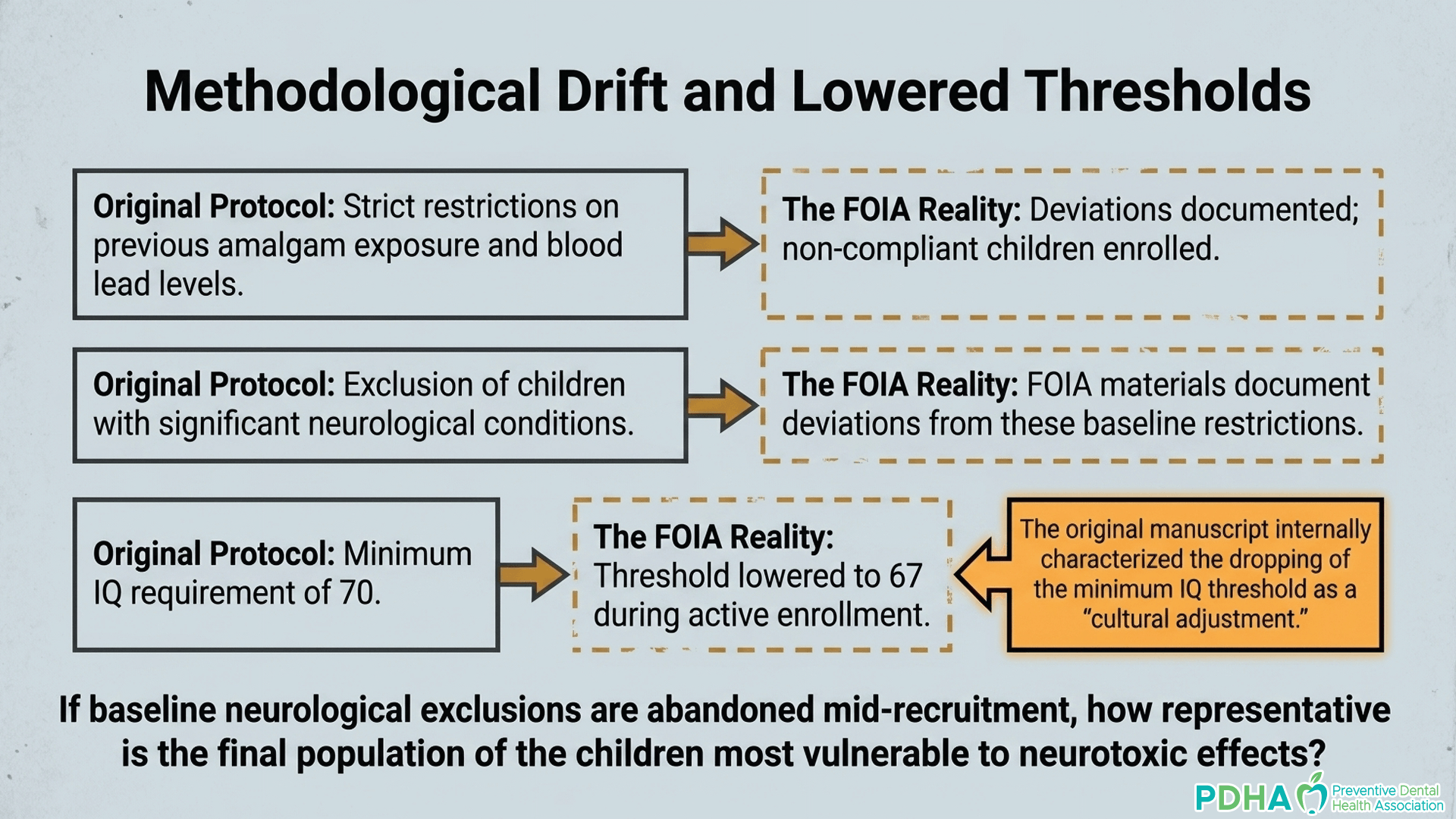
The original records indicate eligibility restrictions relating to neurological or developmental conditions, previous amalgam exposure, and blood lead levels.
The FOIA materials document deviations from those criteria, including enrollment of children who did not satisfy certain stated requirements.
The record also indicates that the minimum IQ threshold was changed during enrollment, from 70 to 67, a change the original manuscript characterizes internally as a cultural adjustment.
The eligibility criteria changed during recruitment, and that change warrants explanation.
It also raises a scientific question: if a study excludes children with significant neurological impairment at baseline and then lowers an eligibility threshold during recruitment, how representative is the final population of the children most vulnerable to neurotoxic effects?
That is a legitimate methodological question, not an accusation of fraud.
The following records were obtained through Freedom of Information Act request PR-2012-00165 and are provided as primary-source documentation supporting this article.
Casa Pia Study Consent Form for Parents or Legal Guardians – FOIA PR-2012-00165_Stage3, Page 68 (PDF)
First-Year Follow-Up Results on Secondary Outcome Variables – FOIA PR-2012-00165_Stage3, Page 31 (PDF)
References:
1. Townsend JC, et al. The Children’s Amalgam Trial: design and methods. Contemporary Clinical Trials. 2003. https://pubmed.ncbi.nlm.nih.gov/14662283/
2. DeRouen TA, et al. Neurobehavioral Effects of Dental Amalgam in Children: A Randomized Clinical Trial. JAMA. 2006. https://jamanetwork.com/journals/jama/fullarticle/202707
3. Bellinger DC, et al. Neuropsychological and Renal Effects of Dental Amalgam in Children: A Randomized Clinical Trial. JAMA. 2006. https://jamanetwork.com/journals/jama/fullarticle/202706
4. Woods JS, et al. Urinary porphyrin excretion in children with mercury amalgam treatment: findings from the Casa Pia Children’s Dental Amalgam Trial. Journal of Toxicology and Environmental Health. 2009. https://pubmed.ncbi.nlm.nih.gov/19557617/
5. Woods JS, et al. Biomarkers of kidney integrity in children and adolescents with dental amalgam mercury exposure: Findings from the Casa Pia children’s amalgam trial. Environmental Research. 2008. https://pmc.ncbi.nlm.nih.gov/articles/PMC3236600/
6. FDA. White Paper: FDA Update/Review of Potential Adverse Health Risks Associated with Exposure to Mercury in Dental Amalgam. https://www.fda.gov/medical-devices/dental-amalgam-fillings/white-paper-fda-updatereview-potential-adverse-health-risks-associated-exposure-mercury-dental
7. FDA. Addendum to the Dental Amalgam White Paper: Response to 2006 Joint Advisory Panel Comments and Recommendations. https://www.fda.gov/media/77119/download
8. FDA. Dental Amalgam, Mercury, and Amalgam Alloy — Class II Special Controls Guidance. July 28, 2009. https://iabdm.org/wp-content/uploads/FDA-Dental-Amalgam-Mercury-and-Amalgam-Alloy-Class-II-Special-Controls-Guidance.pdf
9. FDA. FDA Issues Recommendations for Certain High-Risk Groups Regarding Mercury-Containing Dental Amalgam. September 24, 2020. https://www.fda.gov/news-events/press-announcements/fda-issues-recommendations-certain-high-risk-groups-regarding-mercury-containing-dental-amalgam
10. FDA. Information for Patients About Dental Amalgam Fillings. https://www.fda.gov/medical-devices/dental-amalgam-fillings/information-patients-about-dental-amalgam-fillings?trk=public_post_comment-text
11. Schick SF, Glantz SA. Old Ways, New Means: Tobacco Industry Funding of Academic and Private Sector Scientists Since the Master Settlement Agreement. Tobacco Control. 2007. https://pmc.ncbi.nlm.nih.gov/articles/PMC2598497/
12. Life Sciences Research Office. Report on Dental Amalgam Safety Review. 2004.
https://www.govinfo.gov/content/pkg/FR-2009-08-04/pdf/E9-18447.pdf
http://www.lsro.org/presentation_files/amalgam/amalgam_execsum.pdf
13. Florida Department of Health, Office of the Surgeon General. State Surgeon General Dr. Joseph A. Ladapo Issues Guidance for Amalgam Restoration Use. August 25, 2025. https://content.govdelivery.com/accounts/FLDOH/bulletins/3ef6997
14. Indian Health Service. Indian Health Service to End Use of Mercury-Containing Dental Amalgam by 2027. February 9, 2026. https://www.hhs.gov/press-room/ihs-to-end-use-of-mercury-containing-dental-amalgam-by-2027.html
15. U.S. Department of Health and Human Services. Trump Administration Encourages States to End Mercury-Containing Dental Fillings. July 22, 2026. https://www.hhs.gov/press-room/trump-administration-encourages-states-end-mercury-containing-dental-fillings.html
16. Casa Pia Children’s Amalgam Trial. Report to the Data and Safety Monitoring Board. September 15, 1999. Freedom of Information Act Records Obtained by the Author:
• PR-2012-00165_Stage3, Page 68
• PR-2012-00165_Stage3, Page 31

Watch: The Secret Experiment Inside Casa Pia
A brief visual introduction to the events, evidence, and unanswered questions explored in this four-part series.
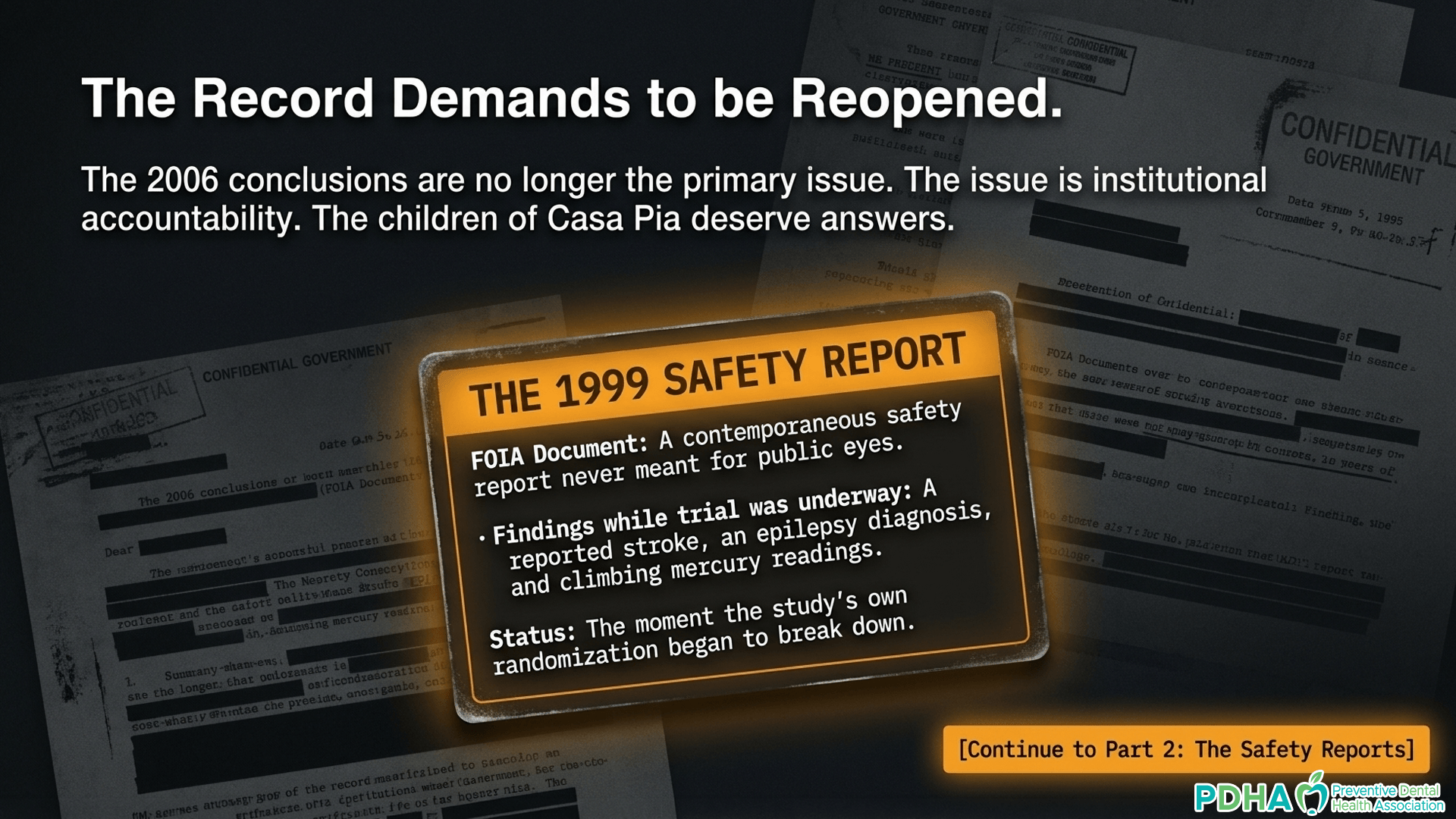
In Part 2: a document I obtained through FOIA that was never meant for public eyes – a contemporaneous 1999 safety report describing a stroke, an epilepsy diagnosis, and mercury readings climbing while the trial was still underway. And the moment the study’s own randomization began to break down.
[Continue to Part 2 →]

For more than two decades, Anita Vazquez Tibau has advanced international advocacy and public education on mercury pollution, toxic exposure, and health policy, with a particular commitment to including Latin American communities in those efforts. Since participating in the United Nations Global Mercury Assessment in 2002, she has remained engaged in the treaty process that led to the Minamata Convention on Mercury, contributing research and policy recommendations and delivering closing remarks on behalf of the International Academy of Oral Medicine and Toxicology during the 2013 proceedings. Her work as a writer, researcher, speaker, and policy advocate has reached audiences in the United States and abroad, with publications translated into multiple languages. She is co-author of Chew on This… But Don’t Swallow: A Must Read Before Your Next Dental Visit and, in 2025, filed a citizen petition with the U.S. Food and Drug Administration seeking a ban on mercury dental amalgam. She is an affiliate researcher of the University of Puerto Rico Medical Sciences Campus’s Center for Environmental and Toxicological Research.