THE CHILDREN OF CASA PIA
Part 3 of 4: How a Study Became a Regulatory Benchmark - and Why the Ground Has Shifted
By Anita Vazquez Tibau
In Part 2, we went inside the primary documents: a 1999 safety report describing a stroke, an epilepsy diagnosis, and mercury readings climbing while the trial was still running – and a randomization process that did not always hold. Here, we follow the money and the policy: how this study’s conclusions became federal regulatory evidence, and why the regulatory landscape built on it is now cracking.
FDA’S 2006 ADVISORY PANEL MATTERS
This is one of the most important facts in the entire story.
In 2006, FDA staff prepared a White Paper concerning potential adverse health risks associated with mercury in dental amalgam.
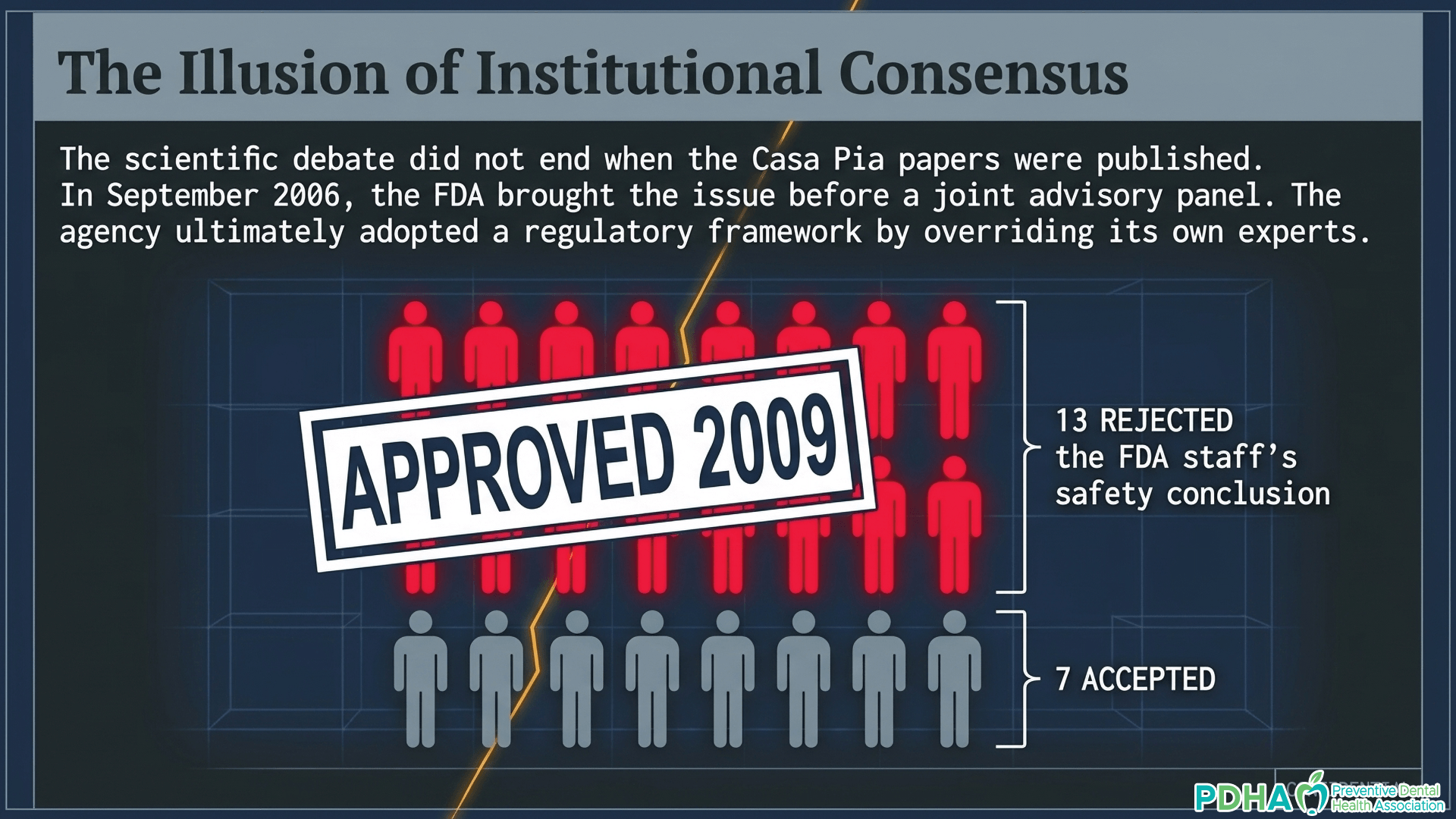
The agency then brought the issue before a joint advisory panel in September 2006.
The panel did not simply endorse the FDA staff’s conclusion.
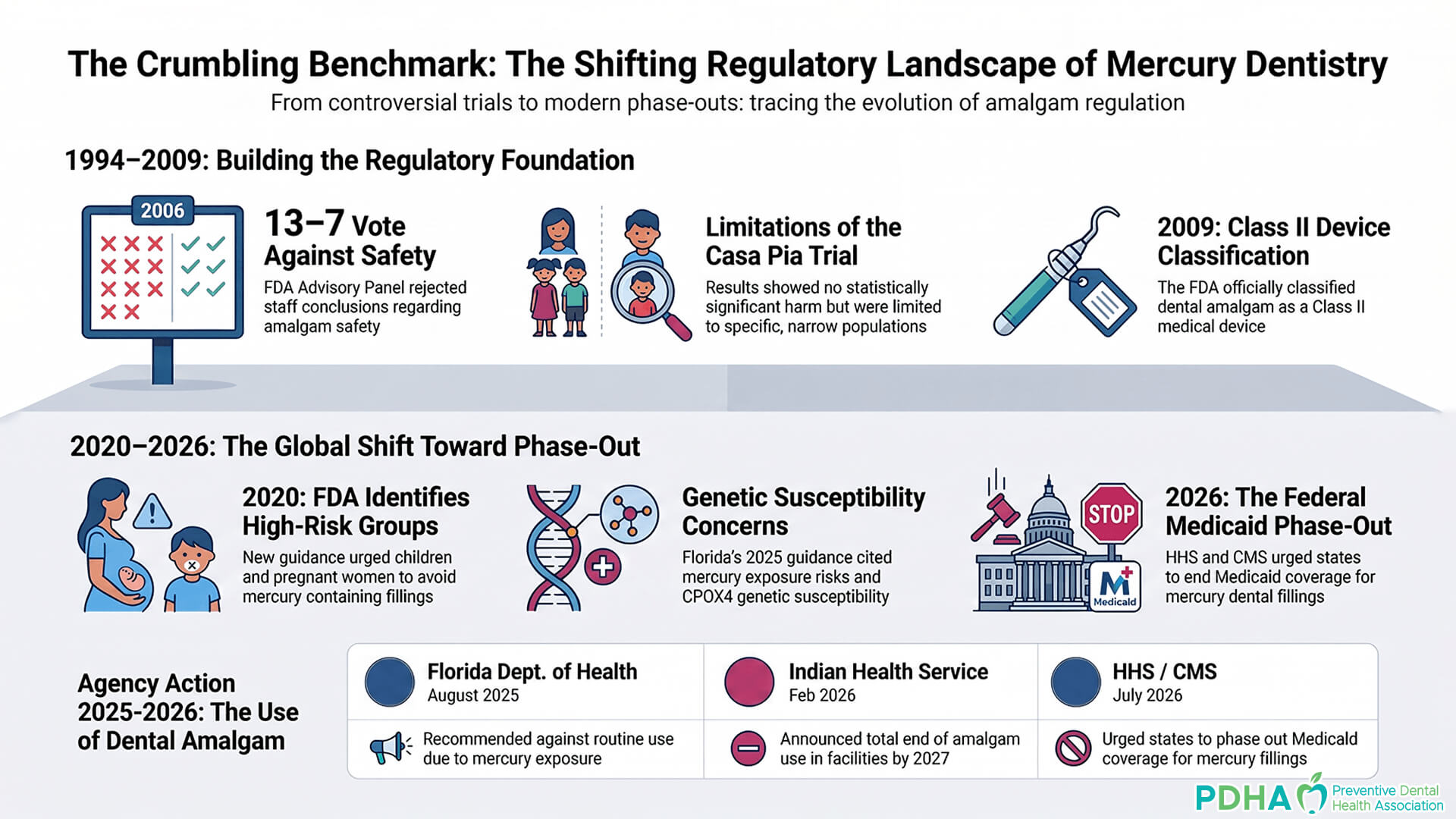
According to the contemporaneous record, the panel voted 13–7 against accepting the FDA staff’s safety conclusion.
That vote matters because it demonstrates that the scientific debate did not end when the Casa Pia and NECAT papers appeared.
FDA subsequently issued an Addendum responding to the advisory panel’s comments and later finalized its regulatory action.
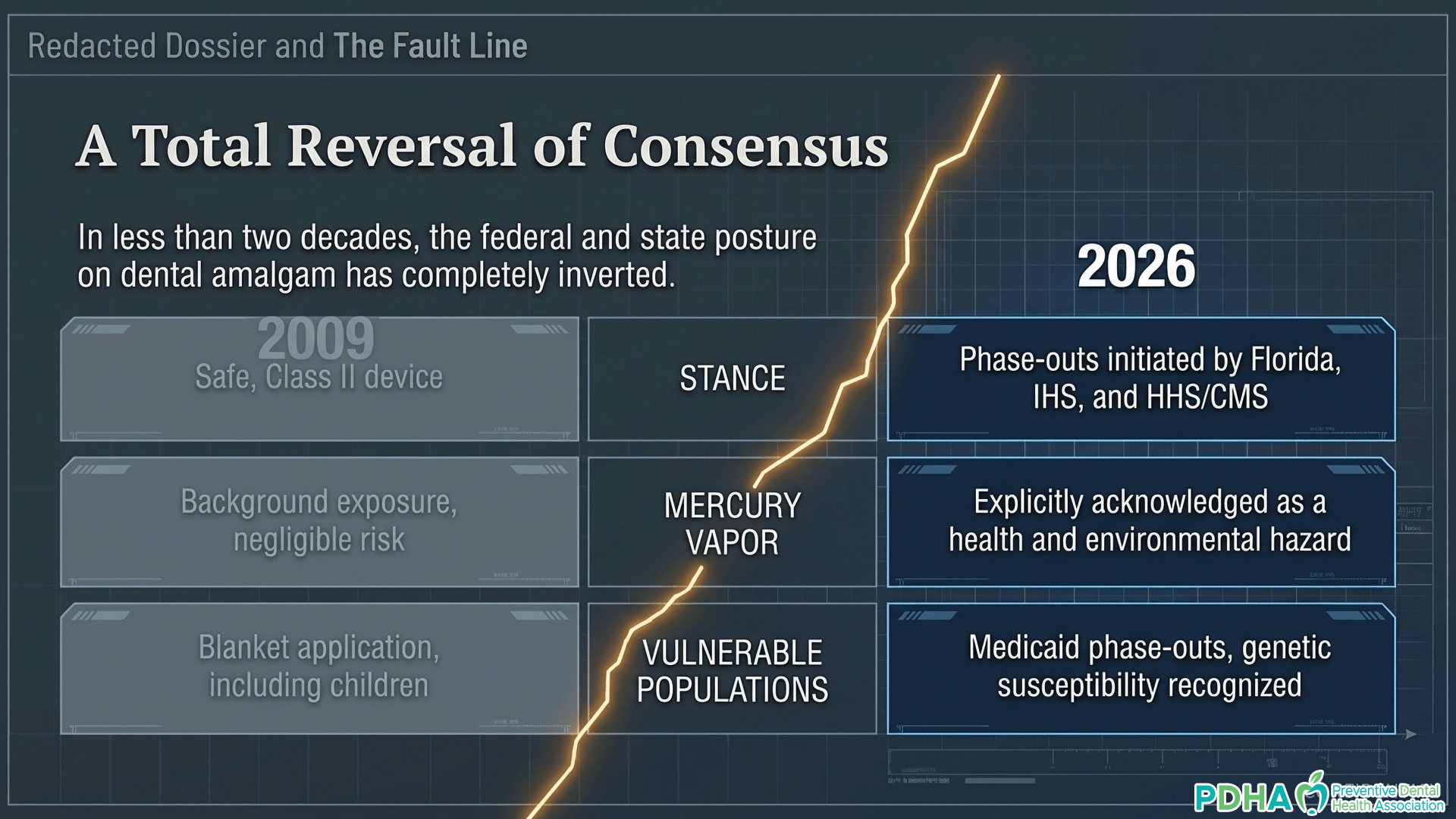
In July 2009, FDA classified dental amalgam as a Class II medical device and established special controls.
The important point is therefore not that FDA simply “ignored” its advisers.
It did not.
The point is that the agency ultimately adopted a regulatory framework after a scientific dispute in which its own advisory panel had rejected the initial staff conclusion.
That distinction makes the history more accurate – and, in my opinion, more troubling.
THE LSRO REVIEW AND THE EVIDENTIARY CHAIN
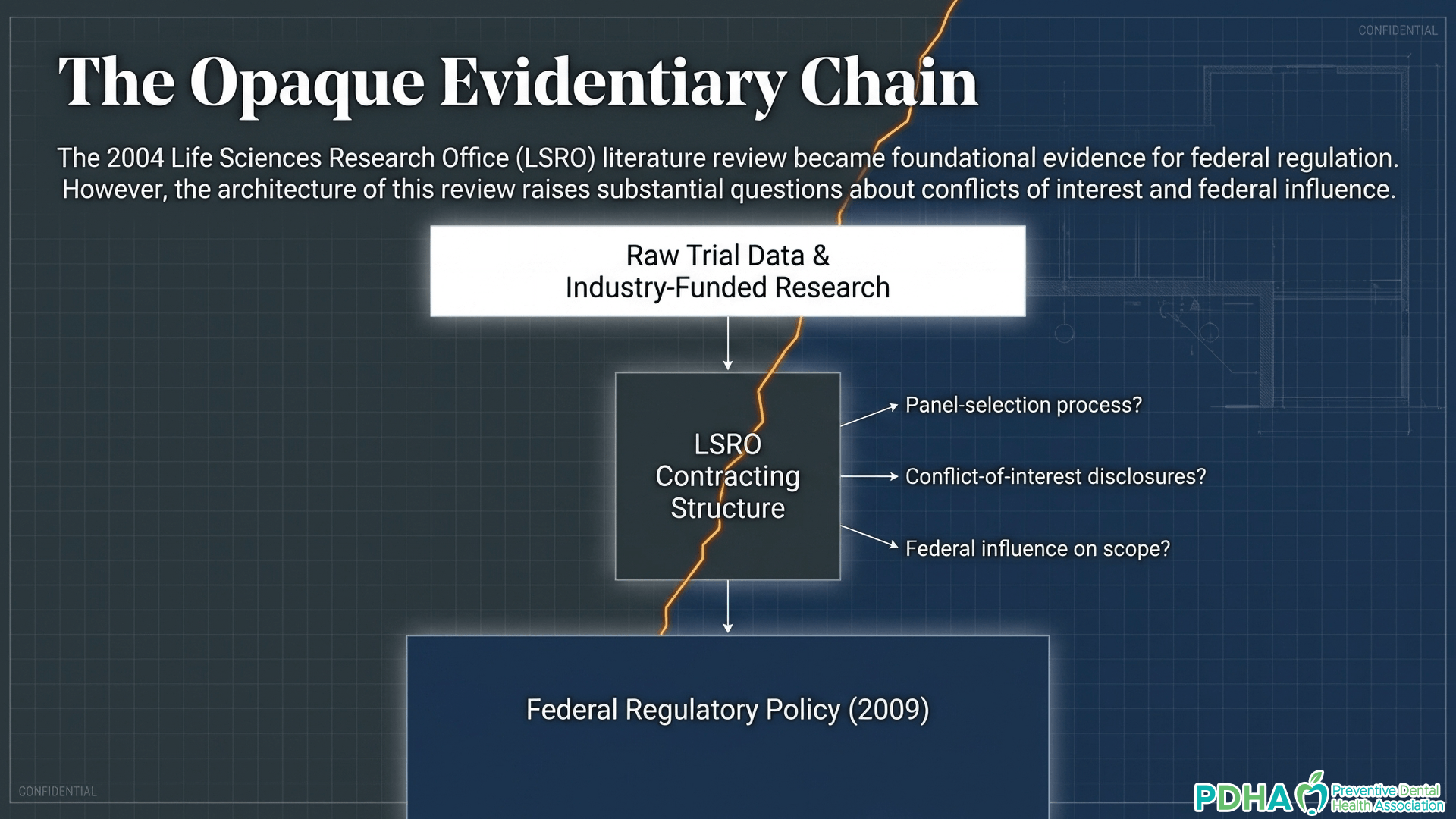
The Life Sciences Research Office, or LSRO, conducted a literature review concerning dental amalgam safety under a federal contracting arrangement.
The review became part of the evidence relied upon in subsequent federal regulatory consideration.
The original manuscript raises substantial questions about LSRO’s contracting structure, its panel-selection process, and the organization’s contemporaneous relationships with industry-funded research.
Those questions deserve documentation rather than speculation.
The strongest version of the argument is therefore this:
The public should be able to examine the complete contracting chain, the selection of the expert panel, every conflict-of-interest disclosure, the drafts, communications, and instructions that shaped the review, and the extent to which federal officials influenced its scope.
That request does not require proving that LSRO’s conclusions were predetermined.
It asks for transparency about how the review was constructed.
The distinction is important.
THE RESEARCHERS’ PUBLIC STATEMENTS DESERVE THEIR OWN EXAMINATION
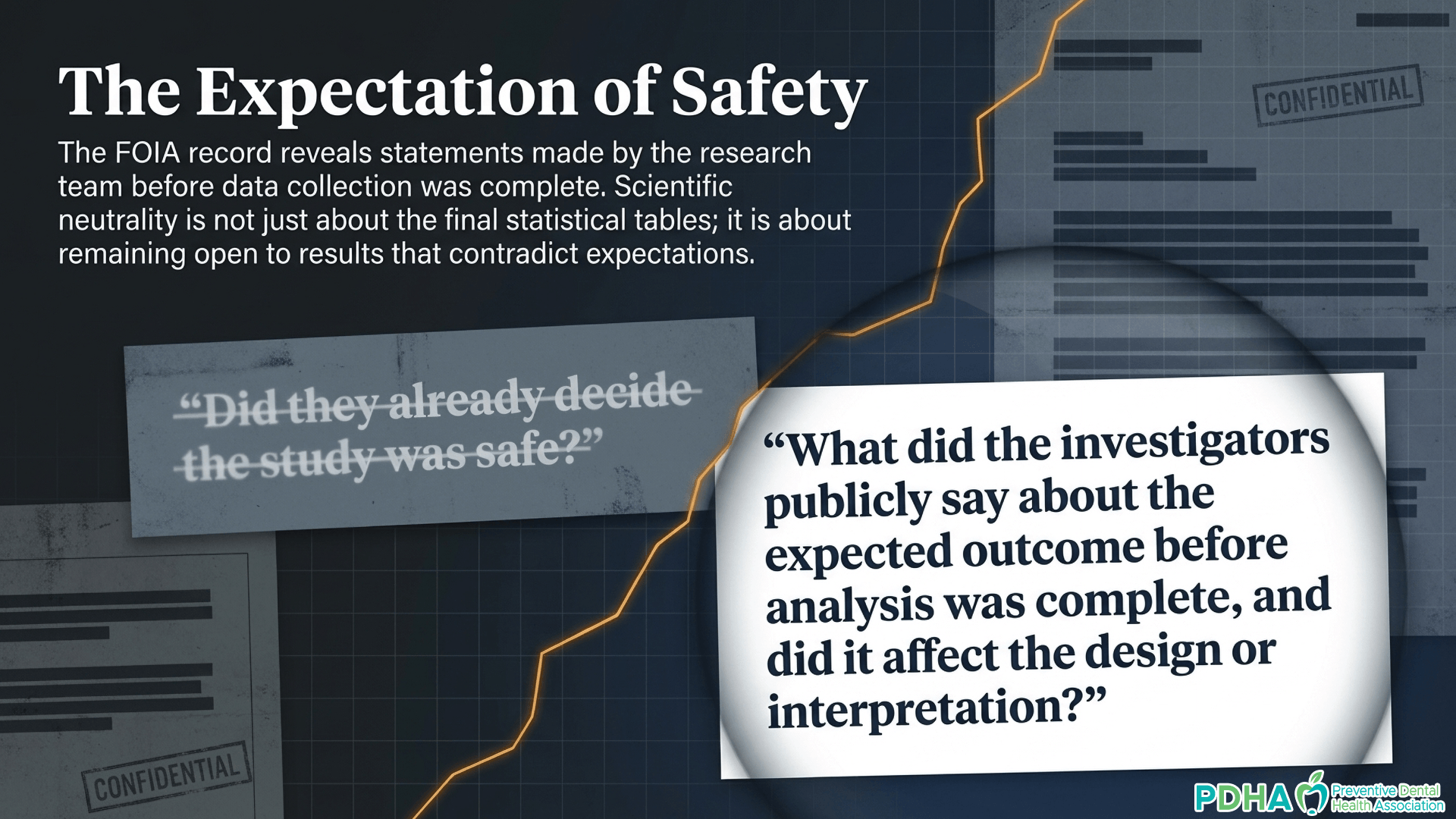
The FOIA record also raises questions about statements made by members of the research team before the trial’s complete data were available.
If investigators publicly expressed confidence in the safety of amalgam while the trial was still collecting data, that does not prove that they manipulated the eventual results.
But it is fair to ask whether such statements reveal an expectation about the outcome.
Scientific neutrality is not merely about what appears in the final statistical tables.
It is also about whether investigators remain genuinely open to results that contradict their expectations.
The appropriate question is therefore not:
“Did they already decide the study was safe?”
The appropriate question is:
“What did the investigators publicly say about the expected outcome before the data collection and analysis were complete, and did those statements affect the design, interpretation, or presentation of the research?”
That question can be answered from the record.
CHILDREN DIED DURING THE TRIAL. WHAT DOES THAT MEAN?
The trial reports included serious adverse or “sentinel” health events.
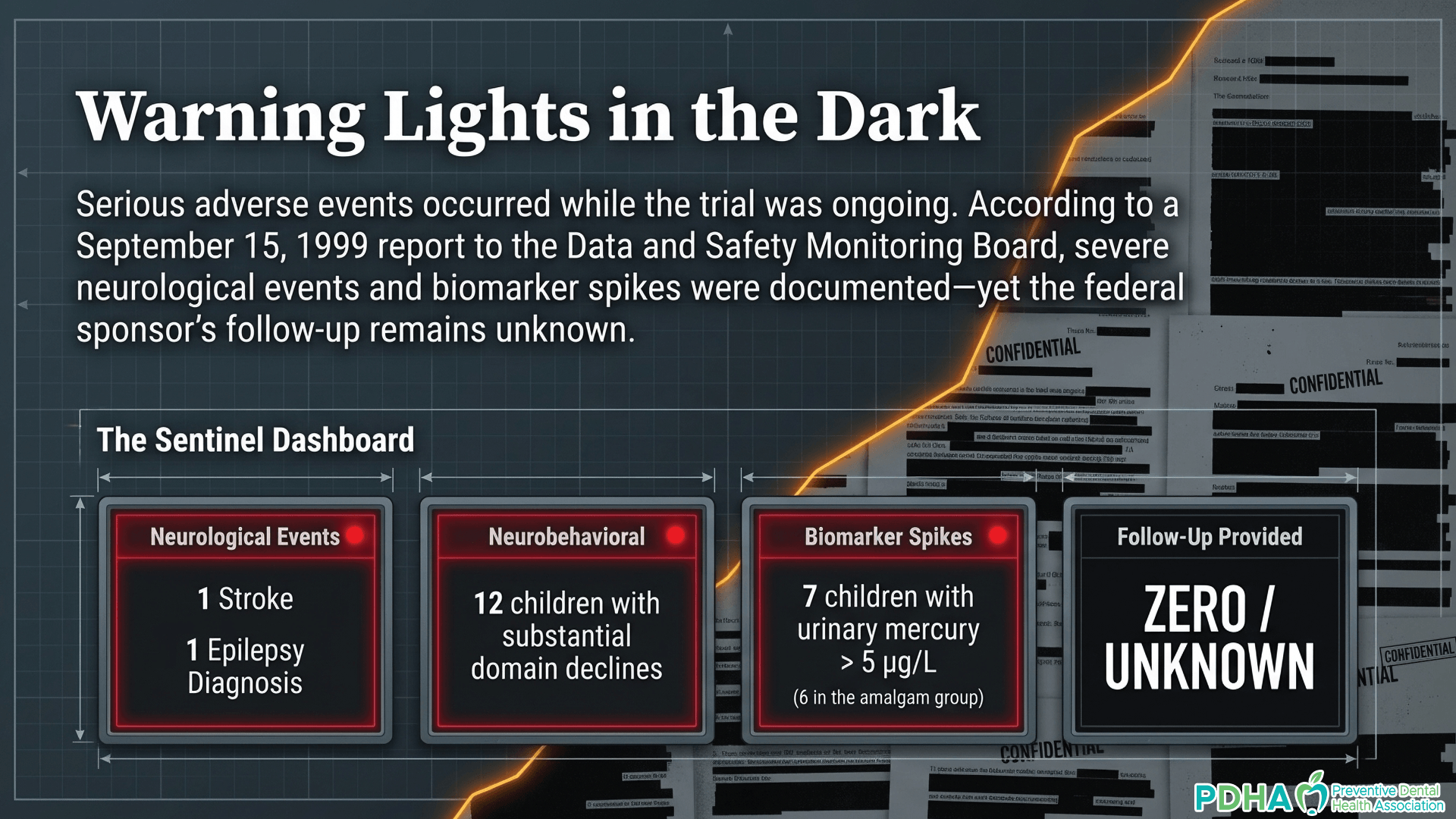
The 1999 DSMB report already documented a stroke and an epilepsy diagnosis while the trial was ongoing.
Later trial reports included additional serious events.
The investigators did not identify a statistical pattern connecting these events to treatment assignment.
That conclusion must be reported.
It would be irresponsible to imply that a child’s death from an accidental gunshot was caused by a dental filling.
It would be equally irresponsible to imply that the presence of an adverse event proves mercury toxicity.
But there is another question that should not be avoided:
What happened to every child who experienced a serious adverse event, and what follow-up did the federal sponsor provide?
The brain and kidneys were among the organs of particular scientific interest in the mercury research program.
That makes the renal and neurological events worth examining.
Not because the events prove causation.
Because the children deserve a complete accounting.
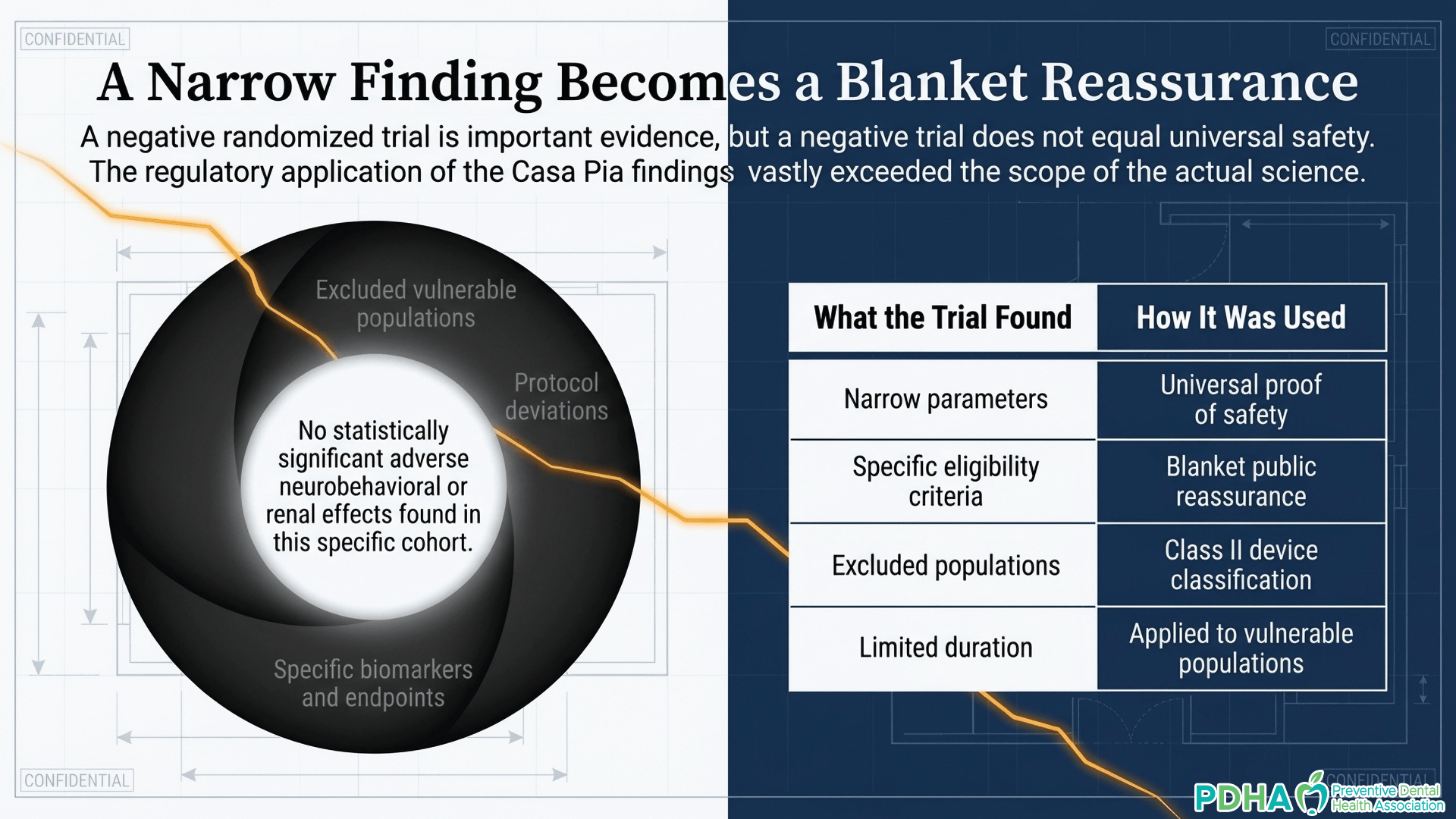
WHAT THE TRIAL ACTUALLY ESTABLISHED
This distinction is essential.
The 2006 trials did not establish that dental amalgam was harmless.
They found no statistically significant adverse neurobehavioral or renal effects of the type and magnitude they were designed to detect in the populations studied.
That is a narrower conclusion.
And it matters because the population studied was not every child.
The studies had eligibility criteria.
They excluded some children.
They followed children over defined periods.
They used particular biomarkers and endpoints.
They had protocol deviations.
Some planned or secondary analyses appeared later.
And the research occurred within an unusually vulnerable institutional population.
A negative randomized trial is important evidence.
But a negative trial does not become proof of universal safety simply because its headline is reassuring.
THE REGULATORY CONSEQUENCE
The importance of Casa Pia is therefore not that it single-handedly “kept mercury fillings legal.”
That would overstate the historical record.
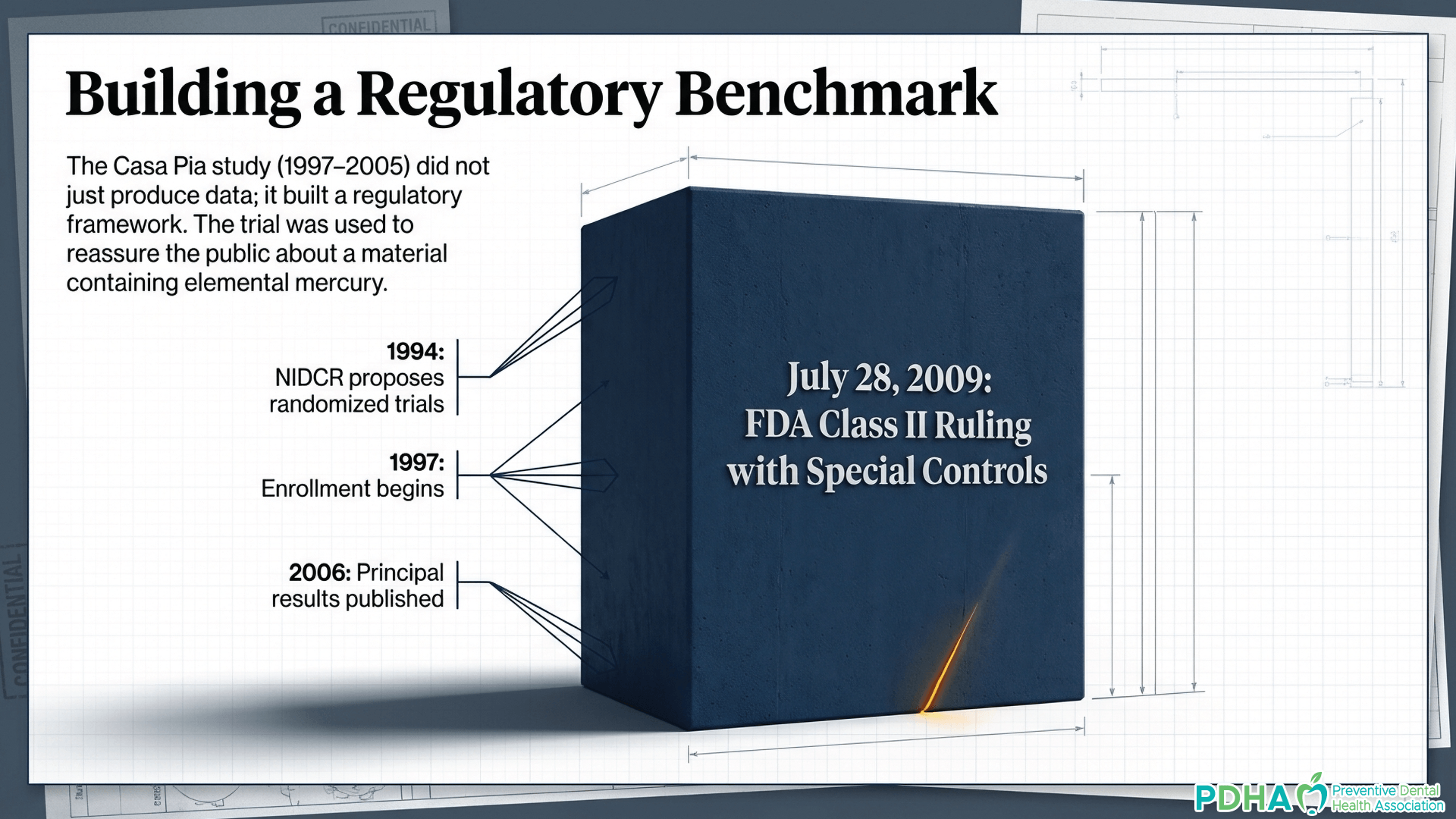
The more precise – and more defensible – conclusion is that the Children’s Amalgam Trials became an important part of the evidence base surrounding dental-amalgam safety, and the 2004 LSRO review was subsequently cited in FDA’s regulatory process.
FDA ultimately classified dental amalgam as a Class II device in 2009 and established special controls.
That is the benchmark this article is examining.
A study conducted on vulnerable children became part of the scientific and regulatory record used to reassure the public about a material containing elemental mercury.
That is a fact.
The question is whether the weight assigned to that study was justified by its design, execution, limitations, adverse-event record, and unresolved questions.
THEN THE REGULATORY LANDSCAPE BEGAN TO CHANGE
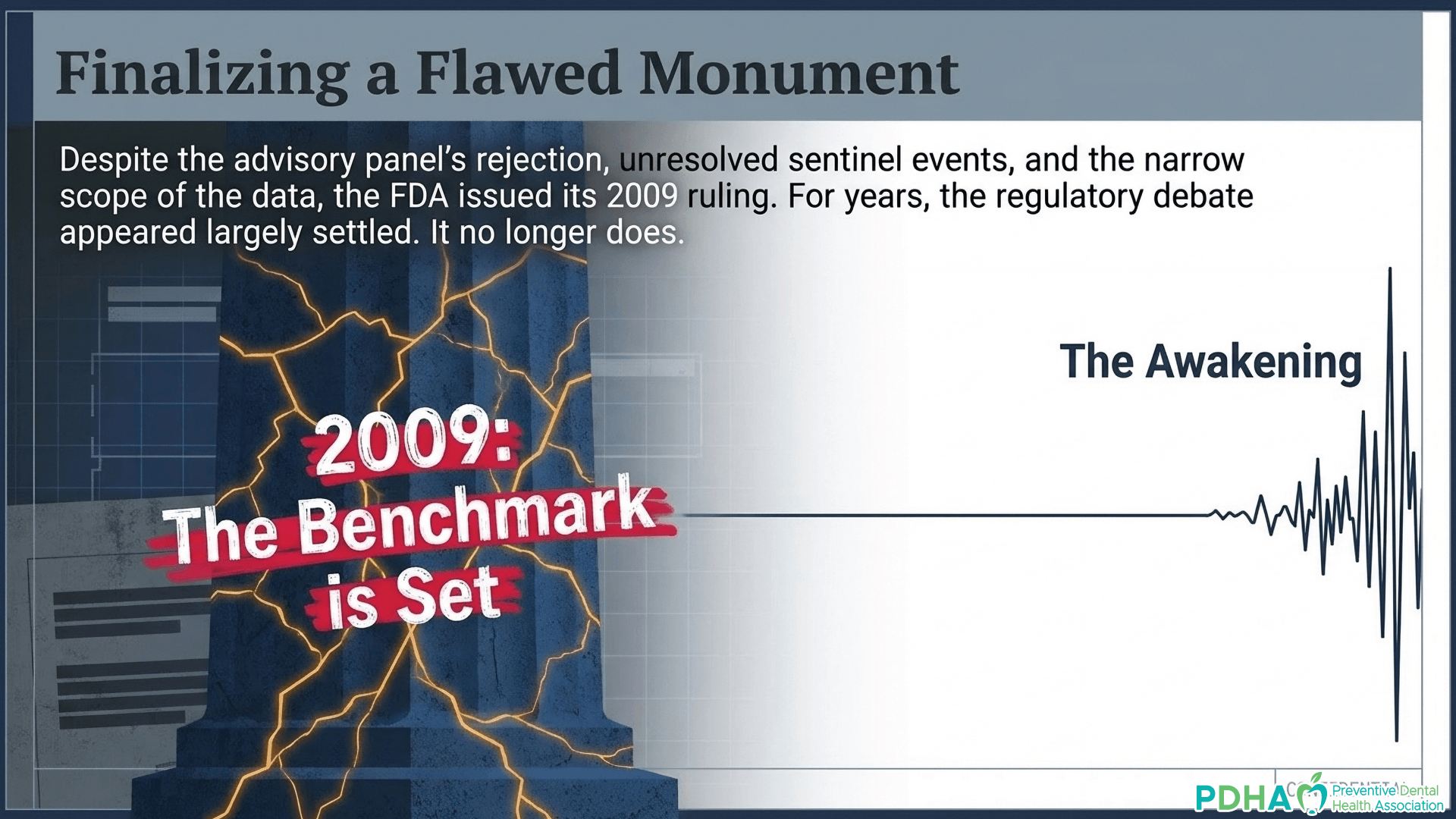
For years, the regulatory debate appeared largely settled.
It no longer does.
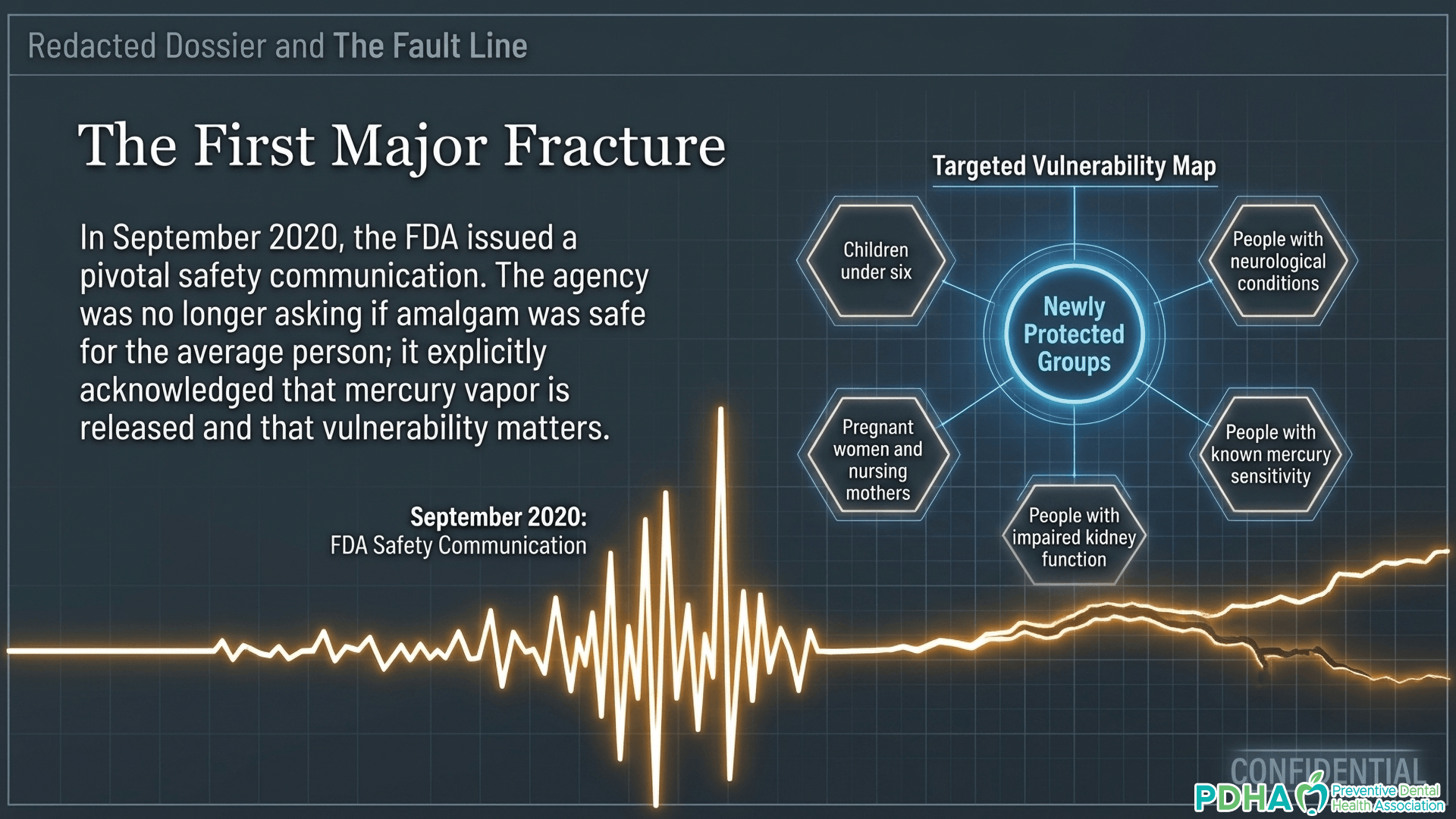
In September 2020, FDA issued a safety communication recommending that certain high-risk populations avoid dental amalgam when possible and appropriate. Those groups included children, particularly children under six, pregnant women, nursing mothers, people with certain neurological conditions, people with impaired kidney function, and people with known mercury sensitivity. FDA specifically acknowledged that amalgam releases mercury vapor and that uncertainties remained regarding certain vulnerable populations.
That was an important change in tone.
The FDA was no longer simply asking whether amalgam was safe for the average person.
It was acknowledging that vulnerability matters.
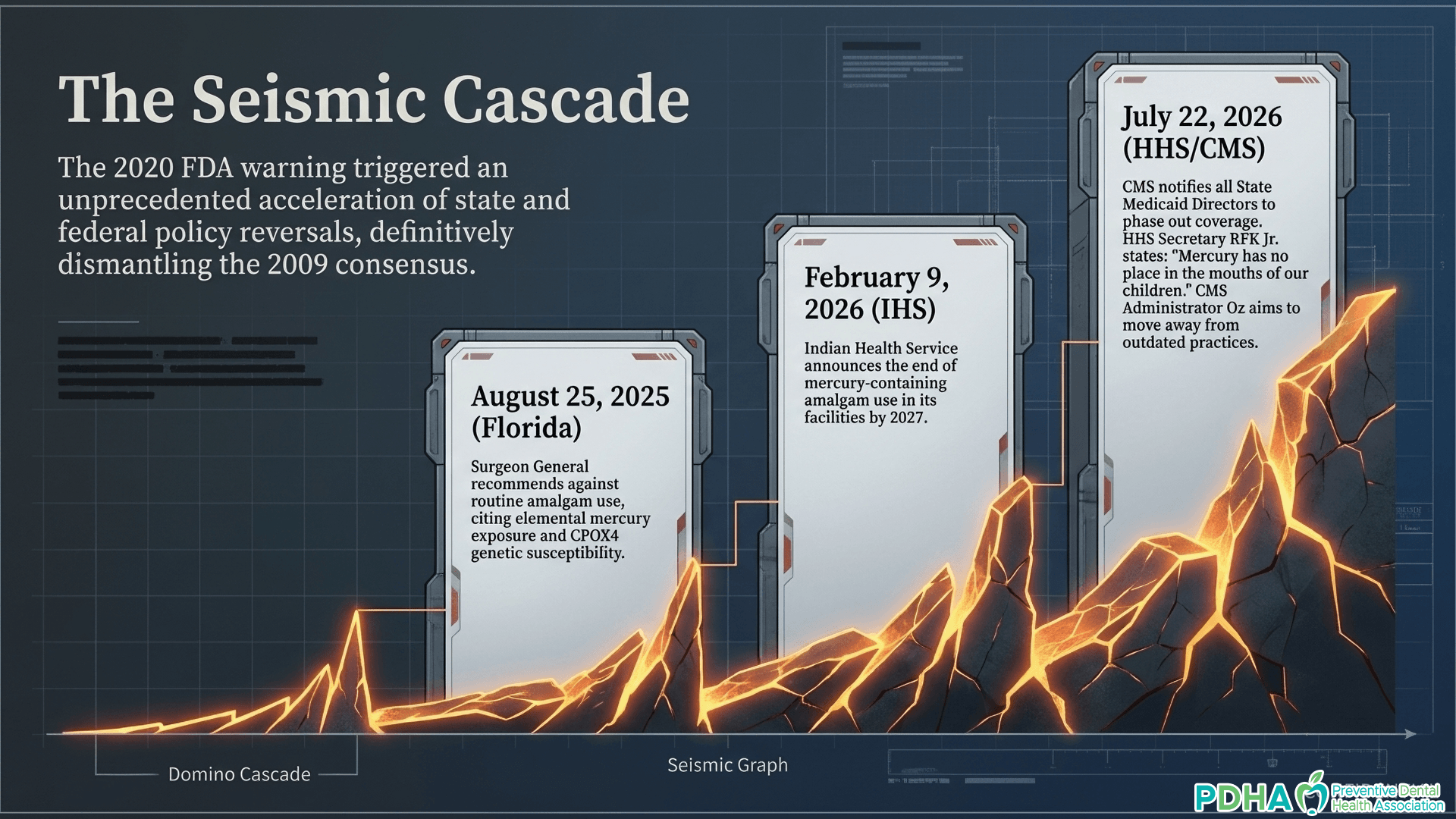
Then came a series of increasingly consequential changes.
Florida - August 25, 2025
Florida Surgeon General Joseph A. Ladapo issued guidance recommending against routine use of dental amalgam because of mercury exposure.
The Florida Department of Health described amalgam as a material containing elemental mercury and cited concerns involving mercury exposure and health effects. The guidance also discussed CPOX4 genetic susceptibility.
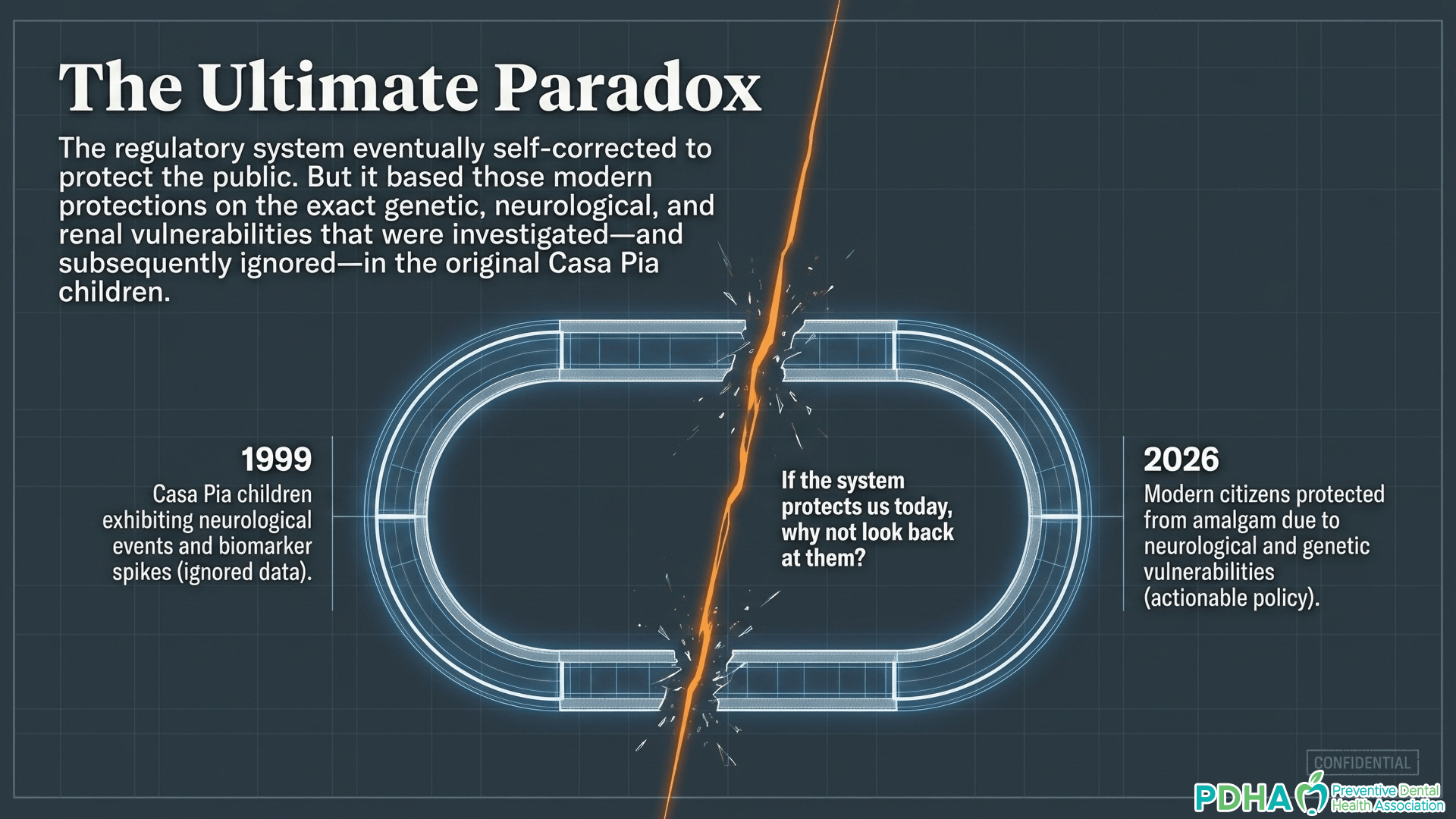
That is significant because genetic susceptibility was one of the very questions that the Casa Pia research program itself investigated.
Nearly two decades after those children entered the trial, a state Surgeon General was advising against routine use of the same mercury-containing material.
Indian Health Service - February 9, 2026
The Indian Health Service then announced that it would end use of mercury-containing dental amalgam in its facilities by 2027.
IHS stated that it would transition to mercury-free restorative materials and cited growing health and environmental concerns about mercury exposure. The agency also noted that it had already been reducing amalgam use among high-risk populations, including pregnant women and young children.
This is not a fringe organization.
It is a federal health agency.
HHS and CMS - July 22, 2026
Then came the most consequential federal development.
The U.S. Department of Health and Human Services announced that the Centers for Medicare and Medicaid Services had notified every State Medicaid Director and urged states to phase out or end Medicaid coverage for mercury-containing dental fillings.
HHS Secretary Robert F. Kennedy Jr. stated:
“Mercury has no place in the mouths of our children or in modern American health care.”
CMS Administrator Mehmet Oz likewise framed the change as part of a broader effort to move away from outdated practices and toward safer alternatives.
This is not a presidential ban.
It is something more specific and more accurately described: a federal HHS/CMS initiative urging every state Medicaid program to move away from coverage of mercury-containing dental amalgam.
That distinction matters.
So does the substance.
READ THE TIMELINE
1994: NIDCR proposes randomized clinical trials of dental amalgam in children.
1996: Federal funding is finalized.
1997: Enrollment begins in the Children’s Amalgam Trials.1997–2005 — The Casa Pia children receive randomized dental treatment and are followed as part of the research program.
September 15, 1999: A contemporaneous report to the Data and Safety Monitoring Board identifies two neurological sentinel events – one stroke and one epilepsy diagnosis. Investigators also report 12 children with substantial neurobehavioral-domain declines and seven children with increases of at least 5 µg/L in urinary mercury, six of whom were in the amalgam group. One child appears in both categories.
Source: Casa Pia Children’s Amalgam Trial, Report to the Data and Safety Monitoring Board, September 15, 1999, obtained through FOIA.
2002: The Casa Pia sexual-abuse scandal becomes public.
2004: LSRO publishes its dental-amalgam safety review.
2005: The formal treatment phase ends.
April 19, 2006: The principal Children’s Amalgam Trial results are published.
September 2006: FDA’s joint advisory panel rejects the agency staff’s proposed safety conclusion by a 13-7 vote.
2009: Additional Casa Pia toxicological and renal analyses are published, including the urinary-porphyrin work.
July 28, 2009: FDA classifies dental amalgam as a Class II device and establishes special controls.
September 2020: FDA recommends that certain high-risk populations avoid dental amalgam when possible and appropriate.
August 25, 2025: Florida Surgeon General Ladapo recommends against routine dental-amalgam use.
February 9, 2026: Indian Health Service announces that it will end use of mercury-containing dental amalgam by 2027.
July 22, 2026: HHS announces that CMS has urged every state Medicaid director to phase out or end coverage for mercury-containing dental fillings.
The landscape has changed.
The question is why the people at the center of the original experiment have not received the same urgency.
The following records were obtained through Freedom of Information Act request PR-2012-00165 and are provided as primary-source documentation supporting this article.
Casa Pia Study Consent Form for Parents or Legal Guardians – FOIA PR-2012-00165_Stage3, Page 68 (PDF)
First-Year Follow-Up Results on Secondary Outcome Variables – FOIA PR-2012-00165_Stage3, Page 31 (PDF)
References:
1. Townsend JC, et al. The Children’s Amalgam Trial: design and methods. Contemporary Clinical Trials. 2003. https://pubmed.ncbi.nlm.nih.gov/14662283/
2. DeRouen TA, et al. Neurobehavioral Effects of Dental Amalgam in Children: A Randomized Clinical Trial. JAMA. 2006. https://jamanetwork.com/journals/jama/fullarticle/202707
3. Bellinger DC, et al. Neuropsychological and Renal Effects of Dental Amalgam in Children: A Randomized Clinical Trial. JAMA. 2006. https://jamanetwork.com/journals/jama/fullarticle/202706
4. Woods JS, et al. Urinary porphyrin excretion in children with mercury amalgam treatment: findings from the Casa Pia Children’s Dental Amalgam Trial. Journal of Toxicology and Environmental Health. 2009. https://pubmed.ncbi.nlm.nih.gov/19557617/
5. Woods JS, et al. Biomarkers of kidney integrity in children and adolescents with dental amalgam mercury exposure: Findings from the Casa Pia children’s amalgam trial. Environmental Research. 2008. https://pmc.ncbi.nlm.nih.gov/articles/PMC3236600/
6. FDA. White Paper: FDA Update/Review of Potential Adverse Health Risks Associated with Exposure to Mercury in Dental Amalgam. https://www.fda.gov/medical-devices/dental-amalgam-fillings/white-paper-fda-updatereview-potential-adverse-health-risks-associated-exposure-mercury-dental
7. FDA. Addendum to the Dental Amalgam White Paper: Response to 2006 Joint Advisory Panel Comments and Recommendations. https://www.fda.gov/media/77119/download
8. FDA. Dental Amalgam, Mercury, and Amalgam Alloy — Class II Special Controls Guidance. July 28, 2009. https://iabdm.org/wp-content/uploads/FDA-Dental-Amalgam-Mercury-and-Amalgam-Alloy-Class-II-Special-Controls-Guidance.pdf
9. FDA. FDA Issues Recommendations for Certain High-Risk Groups Regarding Mercury-Containing Dental Amalgam. September 24, 2020. https://www.fda.gov/news-events/press-announcements/fda-issues-recommendations-certain-high-risk-groups-regarding-mercury-containing-dental-amalgam
10. FDA. Information for Patients About Dental Amalgam Fillings. https://www.fda.gov/medical-devices/dental-amalgam-fillings/information-patients-about-dental-amalgam-fillings?trk=public_post_comment-text
11. Schick SF, Glantz SA. Old Ways, New Means: Tobacco Industry Funding of Academic and Private Sector Scientists Since the Master Settlement Agreement. Tobacco Control. 2007. https://pmc.ncbi.nlm.nih.gov/articles/PMC2598497/
12. Life Sciences Research Office. Report on Dental Amalgam Safety Review. 2004.
https://www.govinfo.gov/content/pkg/FR-2009-08-04/pdf/E9-18447.pdf
http://www.lsro.org/presentation_files/amalgam/amalgam_execsum.pdf
13. Florida Department of Health, Office of the Surgeon General. State Surgeon General Dr. Joseph A. Ladapo Issues Guidance for Amalgam Restoration Use. August 25, 2025. https://content.govdelivery.com/accounts/FLDOH/bulletins/3ef6997
14. Indian Health Service. Indian Health Service to End Use of Mercury-Containing Dental Amalgam by 2027. February 9, 2026. https://www.hhs.gov/press-room/ihs-to-end-use-of-mercury-containing-dental-amalgam-by-2027.html
15. U.S. Department of Health and Human Services. Trump Administration Encourages States to End Mercury-Containing Dental Fillings. July 22, 2026. https://www.hhs.gov/press-room/trump-administration-encourages-states-end-mercury-containing-dental-fillings.html
16. Casa Pia Children’s Amalgam Trial. Report to the Data and Safety Monitoring Board. September 15, 1999. Freedom of Information Act Records Obtained by the Author:
• PR-2012-00165_Stage3, Page 68
• PR-2012-00165_Stage3, Page 31

Watch: The Secret Experiment Inside Casa Pia / Part 3
A brief visual introduction to the events, evidence, and unanswered questions explored in this four-part series.
In Part 4: the final installment: who these children were before they were data points, what a real accountability process would look like, and the question I promised the survivors in 2012 I would never stop asking.
[Part 4 – Coming Soon]

For more than two decades, Anita Vazquez Tibau has advanced international advocacy and public education on mercury pollution, toxic exposure, and health policy, with a particular commitment to including Latin American communities in those efforts. Since participating in the United Nations Global Mercury Assessment in 2002, she has remained engaged in the treaty process that led to the Minamata Convention on Mercury, contributing research and policy recommendations and delivering closing remarks on behalf of the International Academy of Oral Medicine and Toxicology during the 2013 proceedings. Her work as a writer, researcher, speaker, and policy advocate has reached audiences in the United States and abroad, with publications translated into multiple languages. She is co-author of Chew on This… But Don’t Swallow: A Must Read Before Your Next Dental Visit and, in 2025, filed a citizen petition with the U.S. Food and Drug Administration seeking a ban on mercury dental amalgam. She is an affiliate researcher of the University of Puerto Rico Medical Sciences Campus’s Center for Environmental and Toxicological Research.