
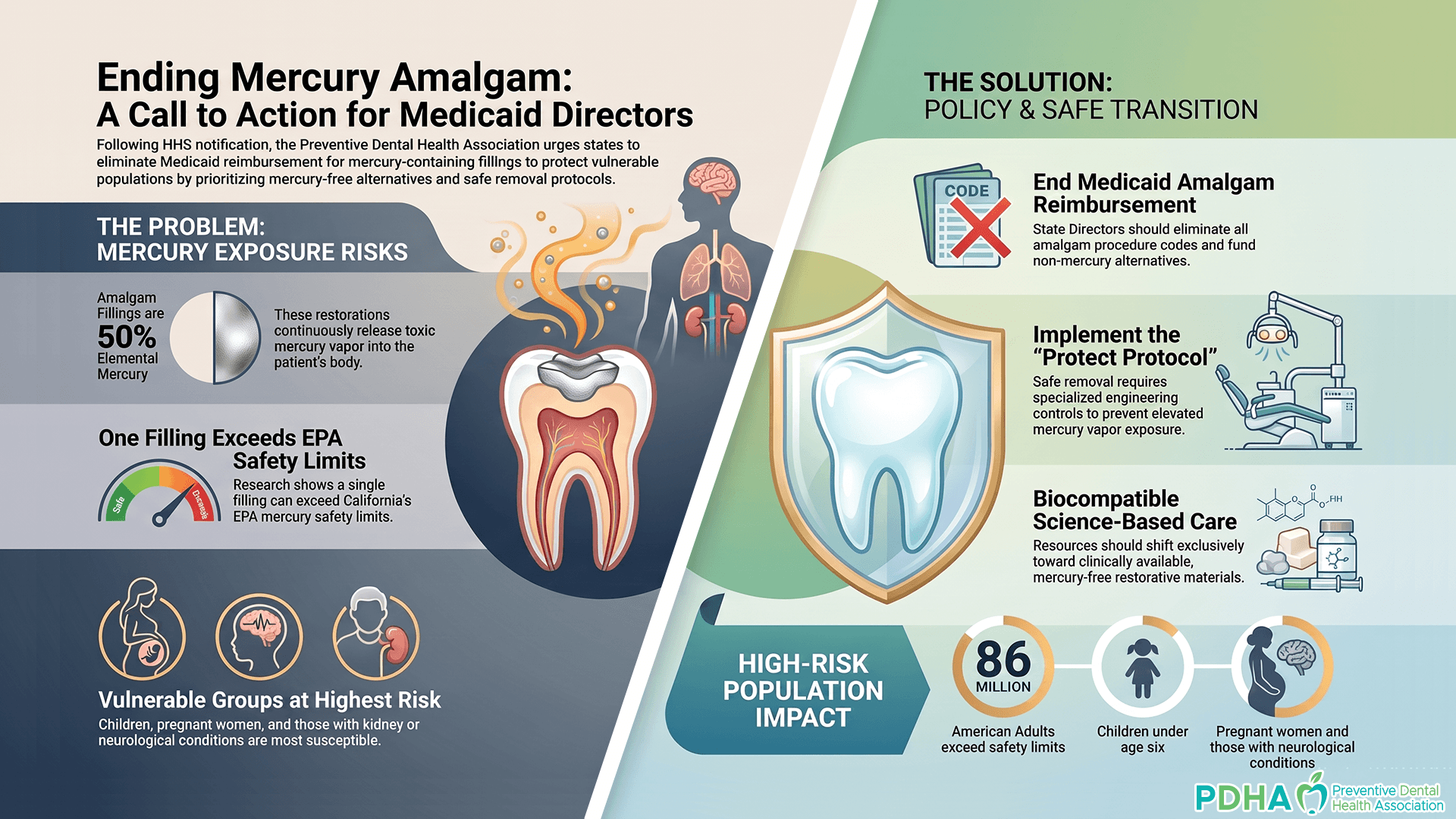
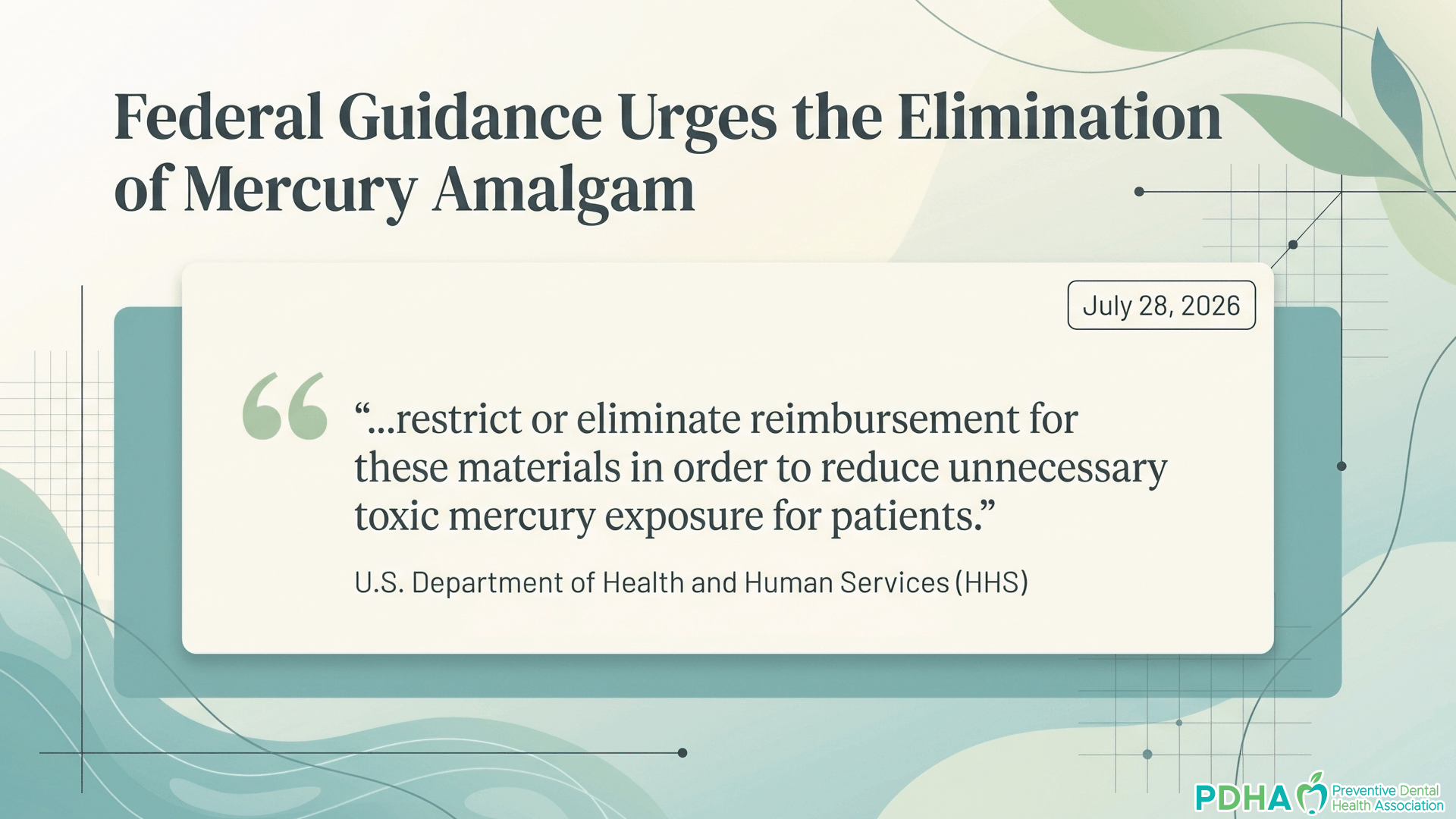
The Preventive Dental Health Association (PDHA) calls upon all State Medicaid Directors to immediately end coverage of mercury-containing dental amalgam fillings, acting decisively on the recent historic notification from the U.S. Department of Health and Human Services (HHS) that urges states to restrict or eliminate reimbursement for these materials in order to reduce unnecessary toxic mercury exposure for patients.
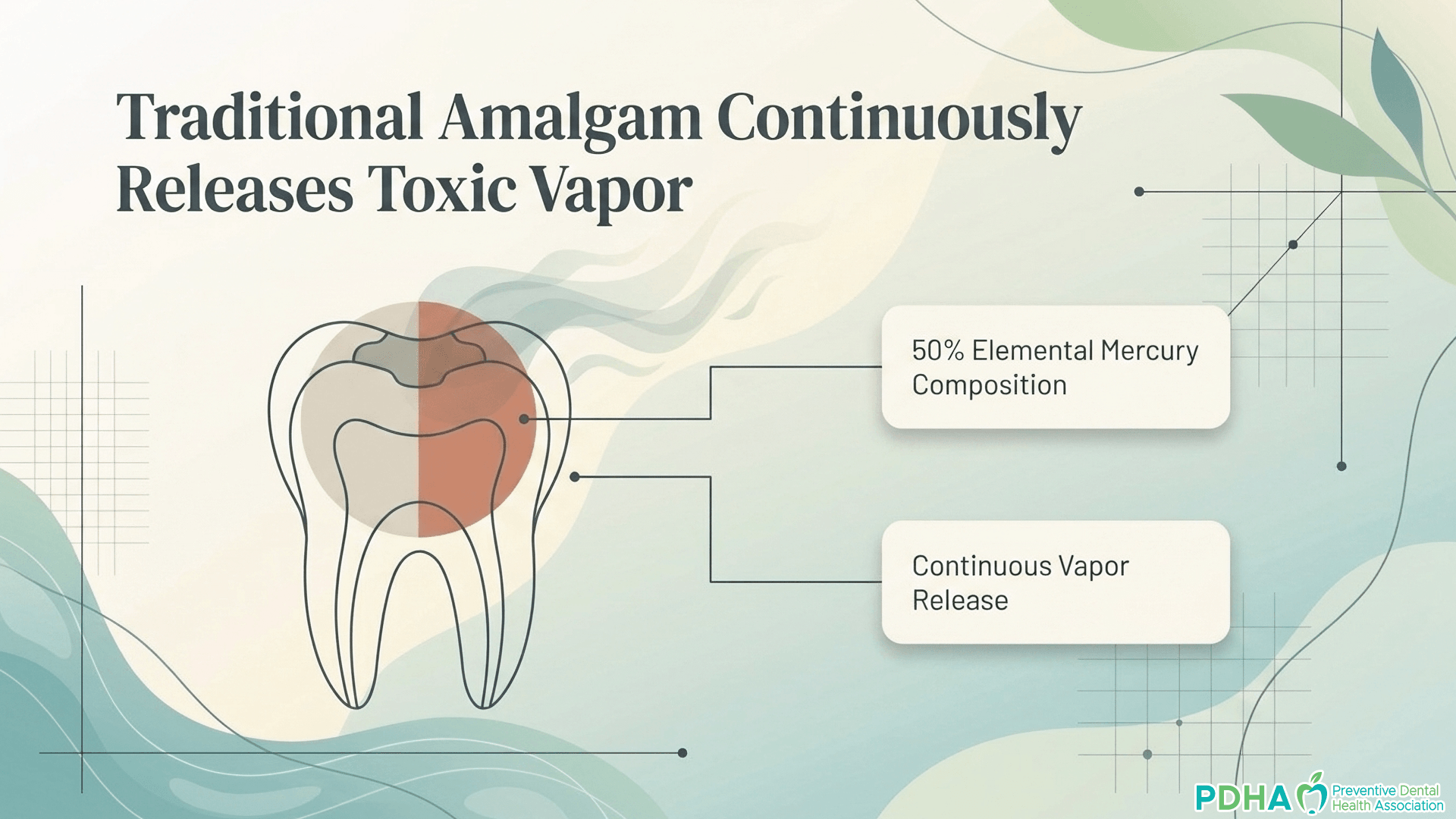
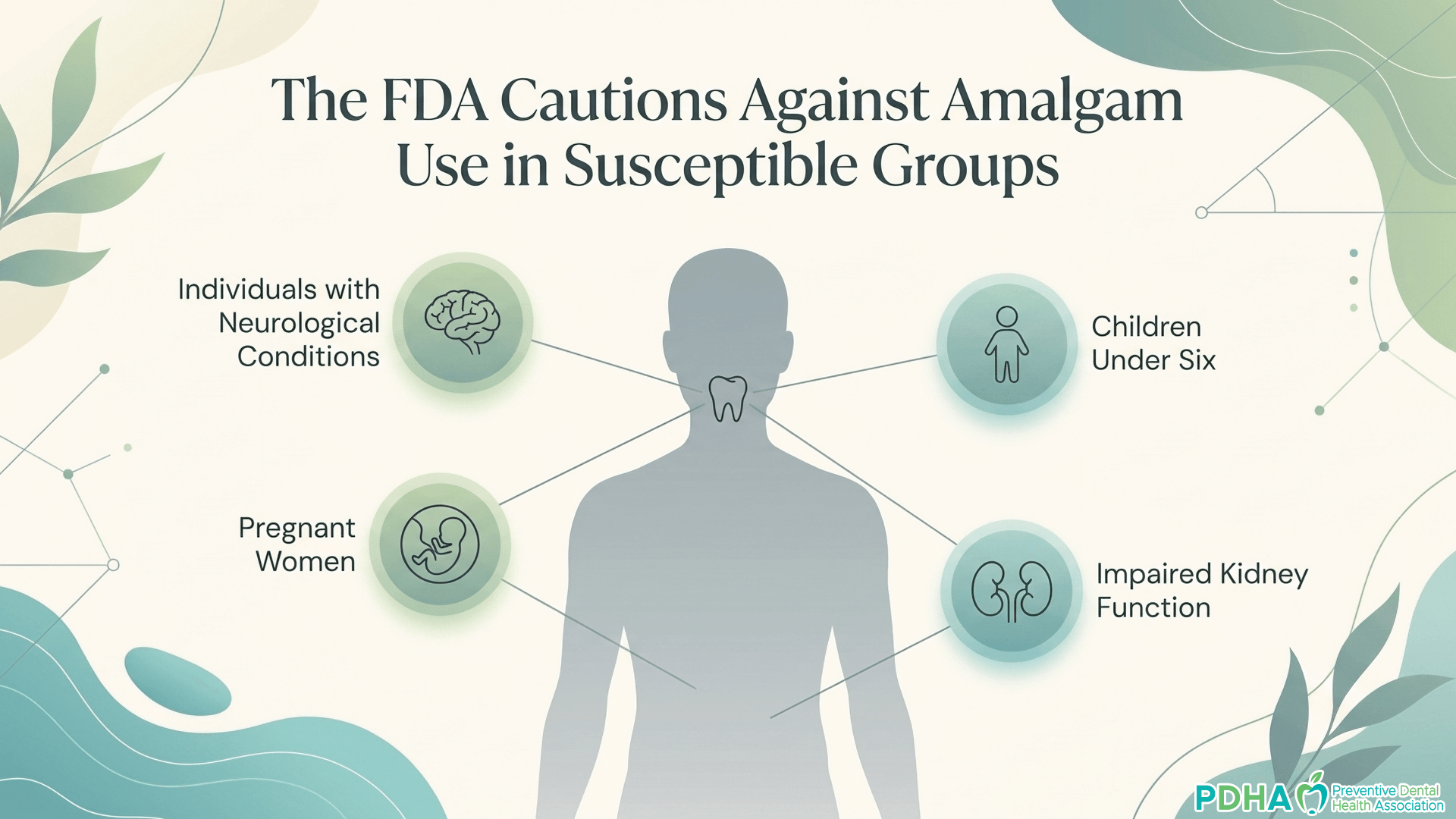
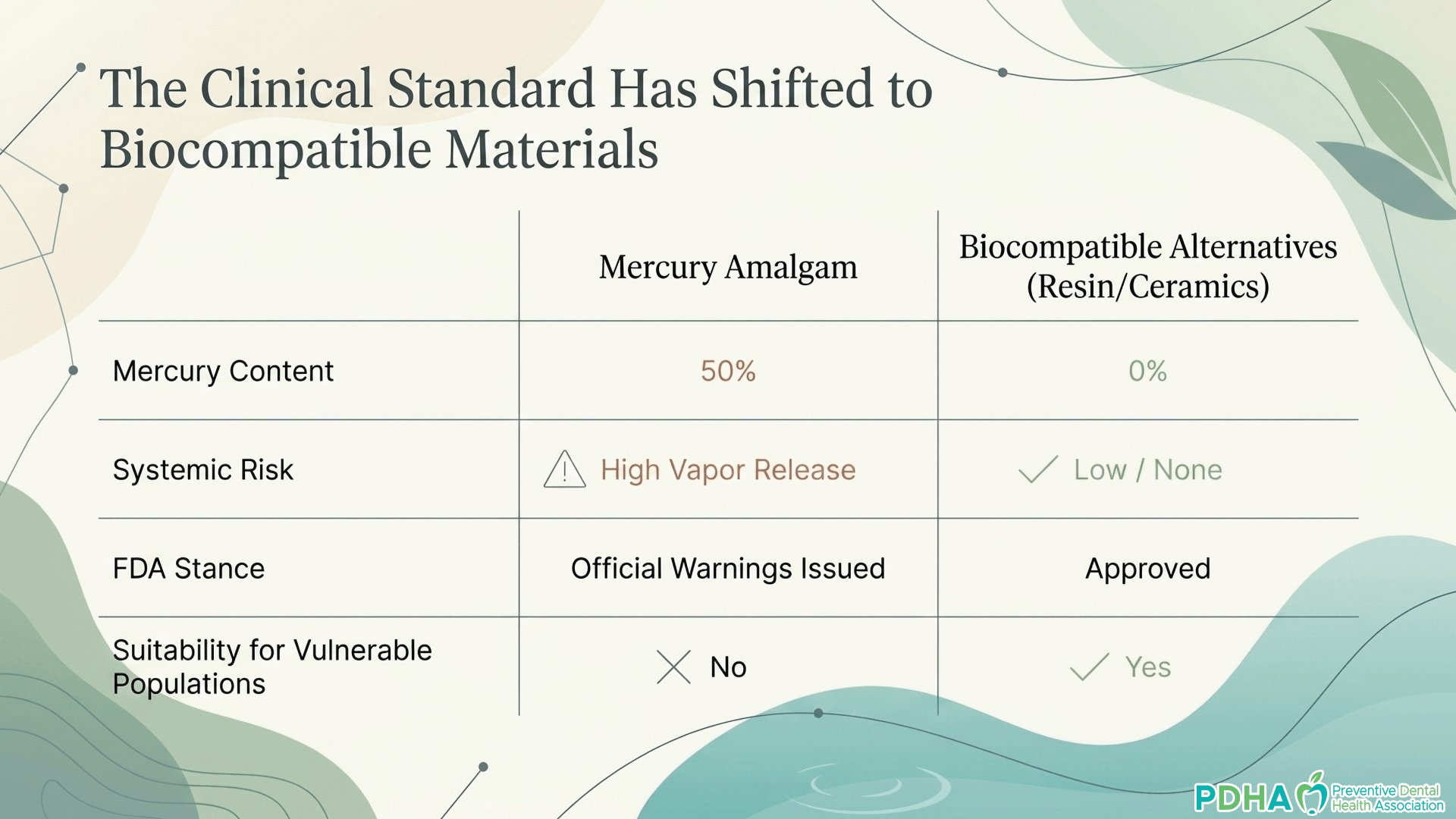
Dental amalgam consists of approximately 50 percent elemental mercury and continuously releases toxic mercury vapor. The FDA notes particular concern for certain groups who may be more susceptible to the toxic effects of mercury, including pregnant women, children under the age of six, individuals with neurological conditions, those with impaired kidney function, and many other vulnerable populations.
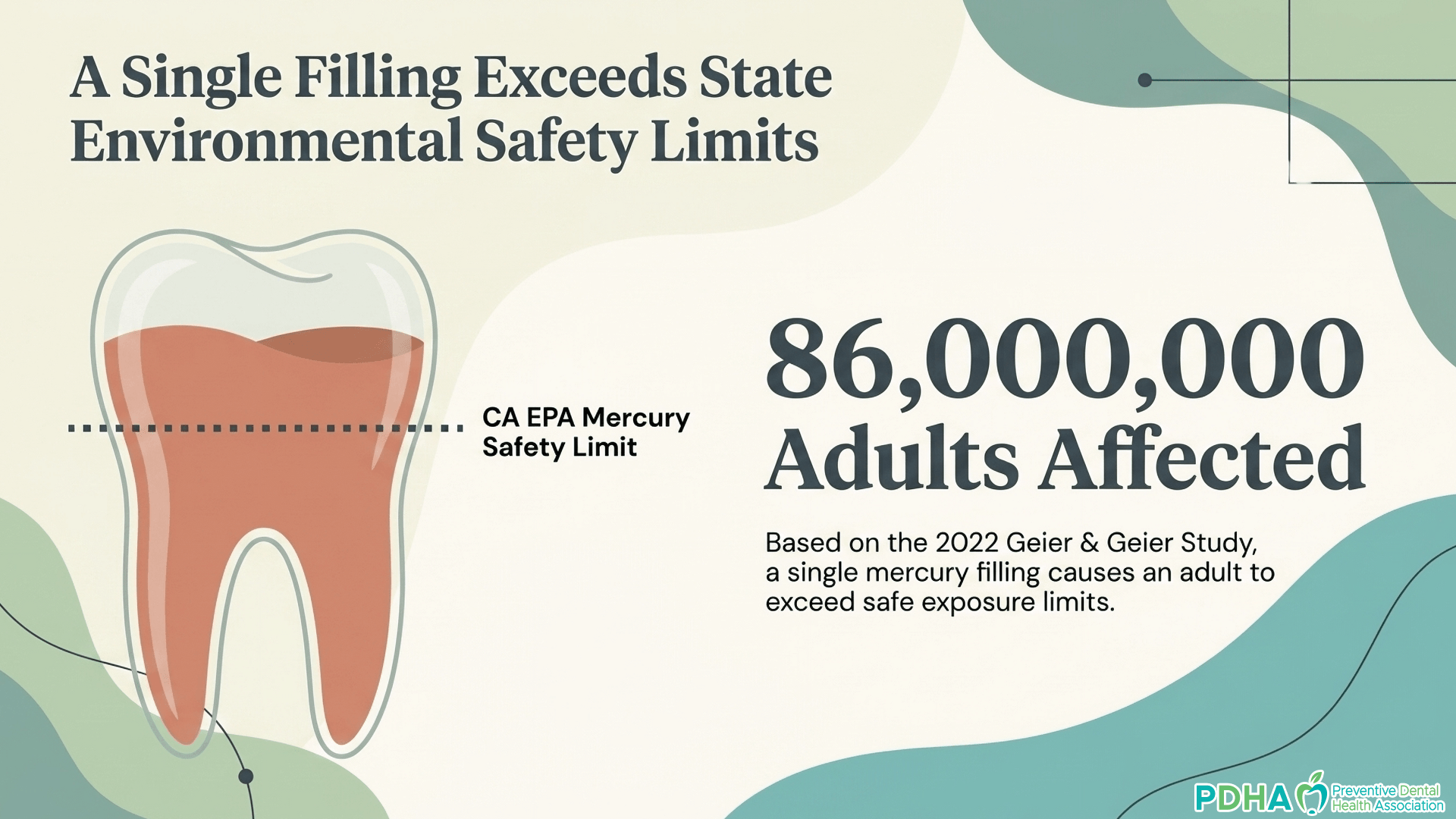
A 2022 study published in the journal Human & Experimental Toxicology, by Geier and Geier entitled: “Dental amalgam fillings and mercury vapor safety limits in American adults”, examined mercury exposure associated with dental amalgam fillings and found that just one mercury filling is enough for an adult to exceed California’s EPA mercury safety limit, potentially affecting about 86 million American adults.
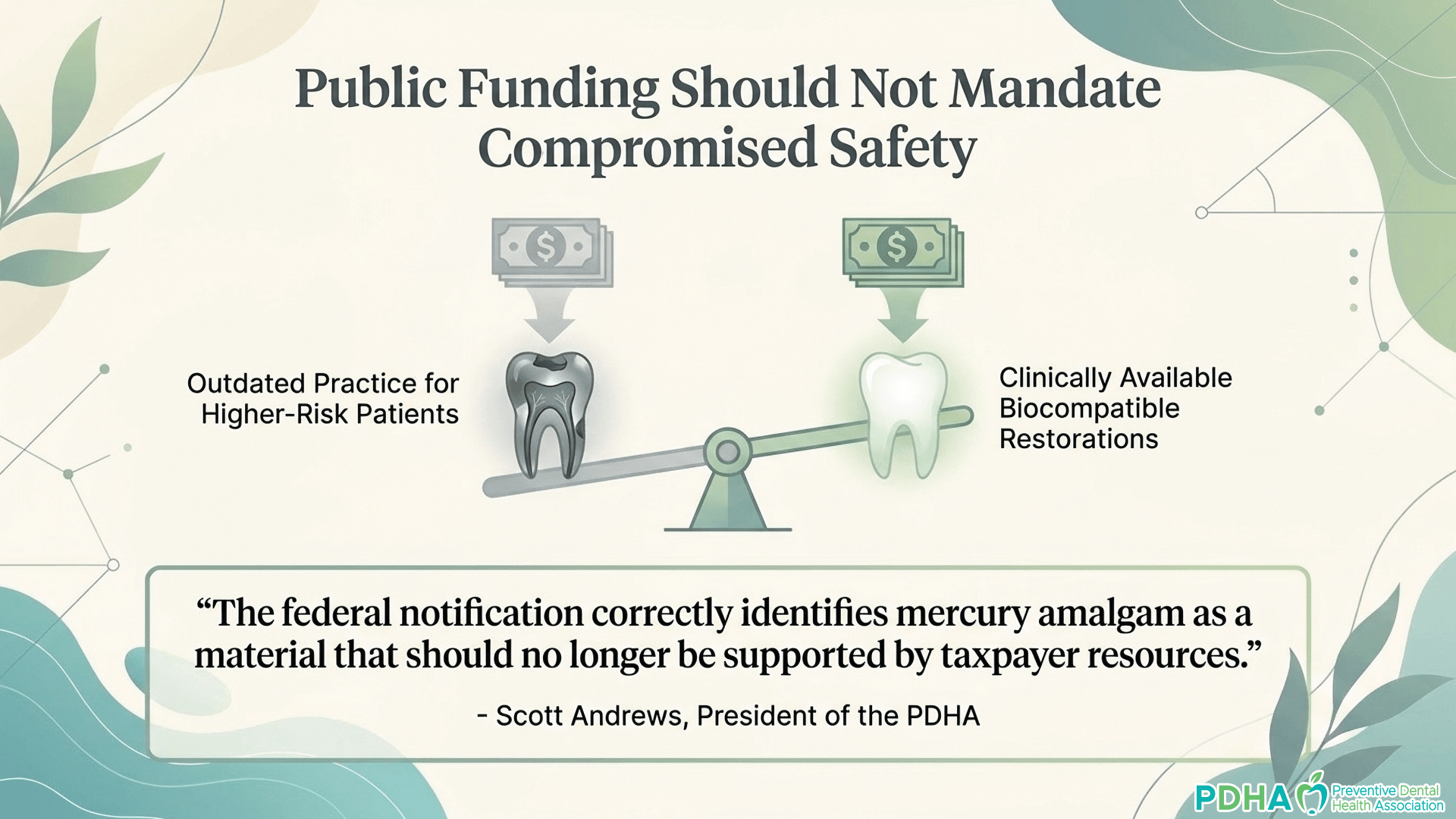
Effective mercury-free restorative materials have been clinically available for many years. Continued public funding of amalgam therefore sustains an outdated practice that places higher-risk patients at unnecessary exposure.
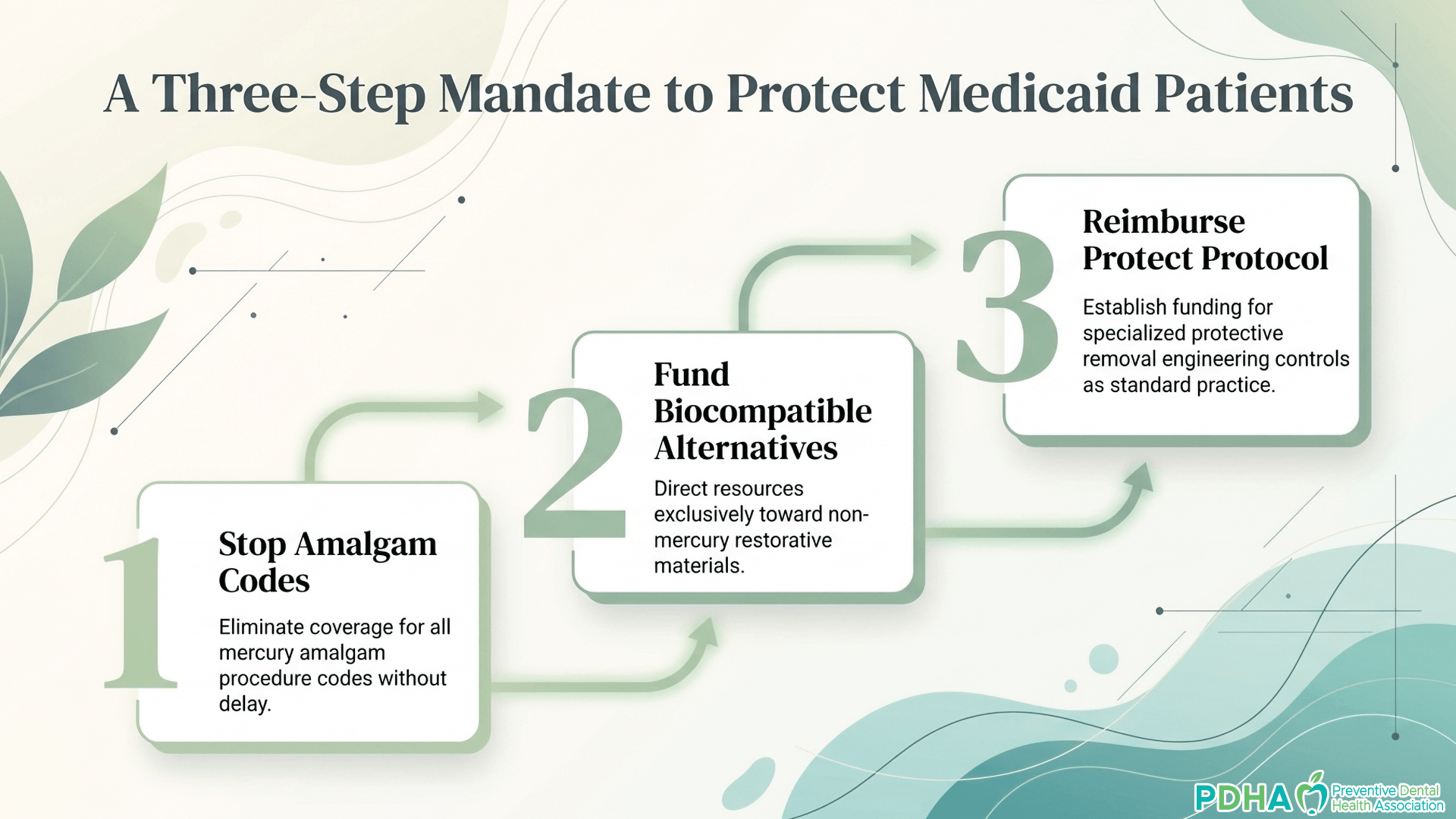
“The federal notification correctly identifies mercury amalgam as a material that should no longer be supported by taxpayer resources,” said Scott Andrews, President of the Preventive Dental Health Association. “State Medicaid Directors now have both the authority and the responsibility to convert this guidance into firm policy by ending coverage for all amalgam procedure codes and directing resources exclusively toward non-mercury alternatives. Delay only prolongs avoidable risk for the populations Medicaid is intended to serve.”
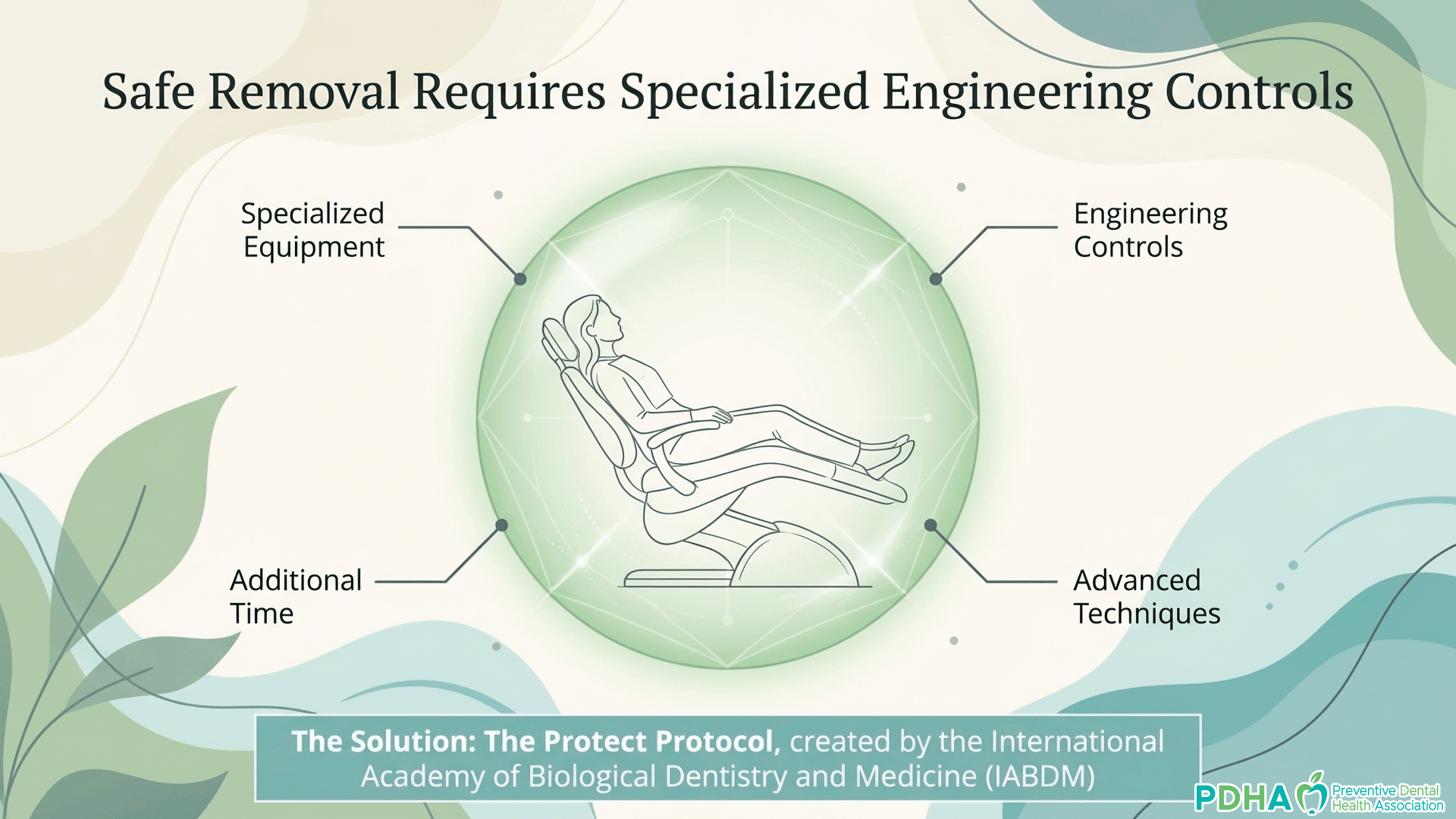
PDHA further stresses that any reduction in new amalgam placements must be accompanied by appropriate reimbursement for protective removal protocols, such as the Protect Protocol created by the International Academy of Biological Dentistry and Medicine (IABDM).
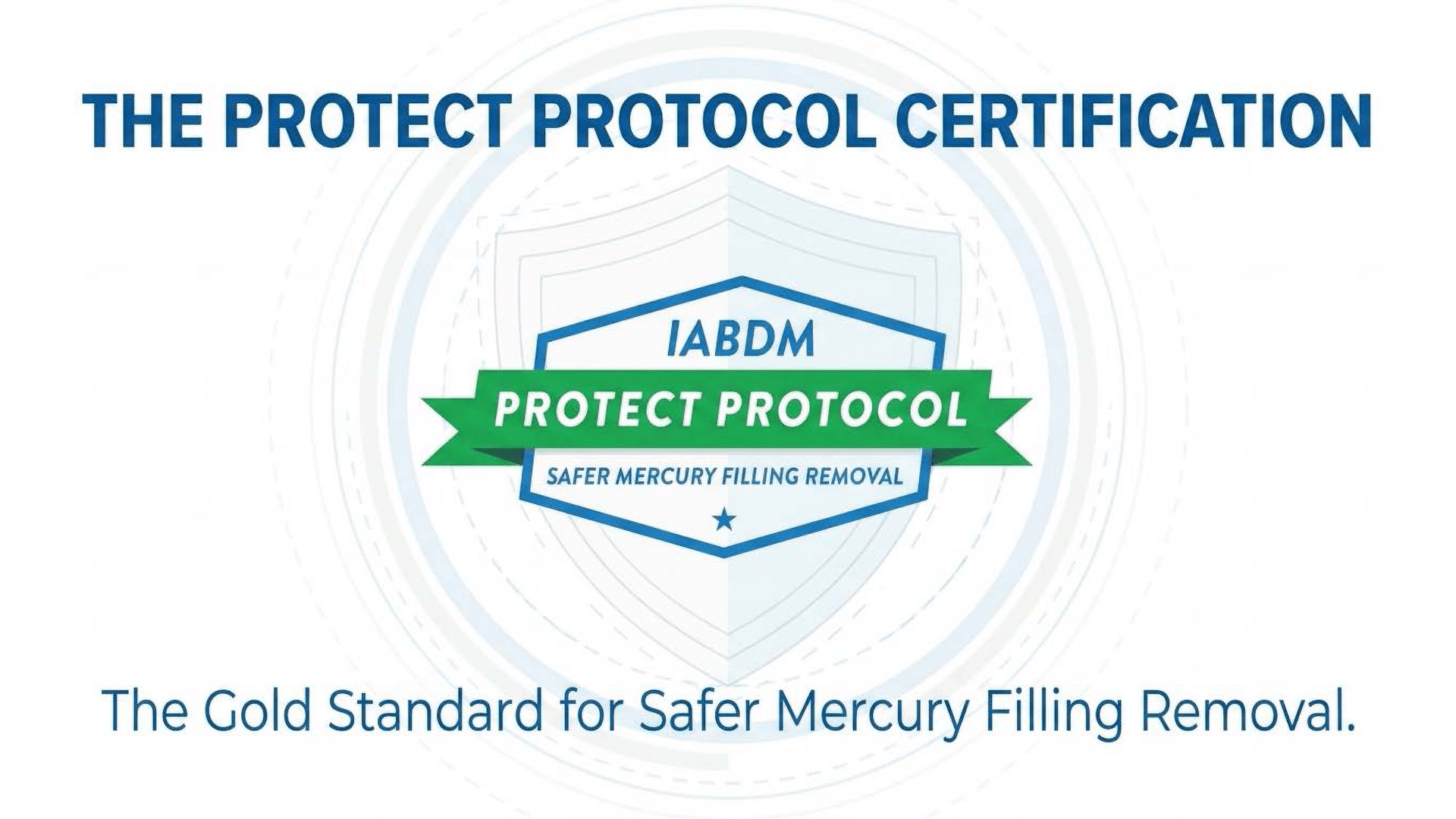
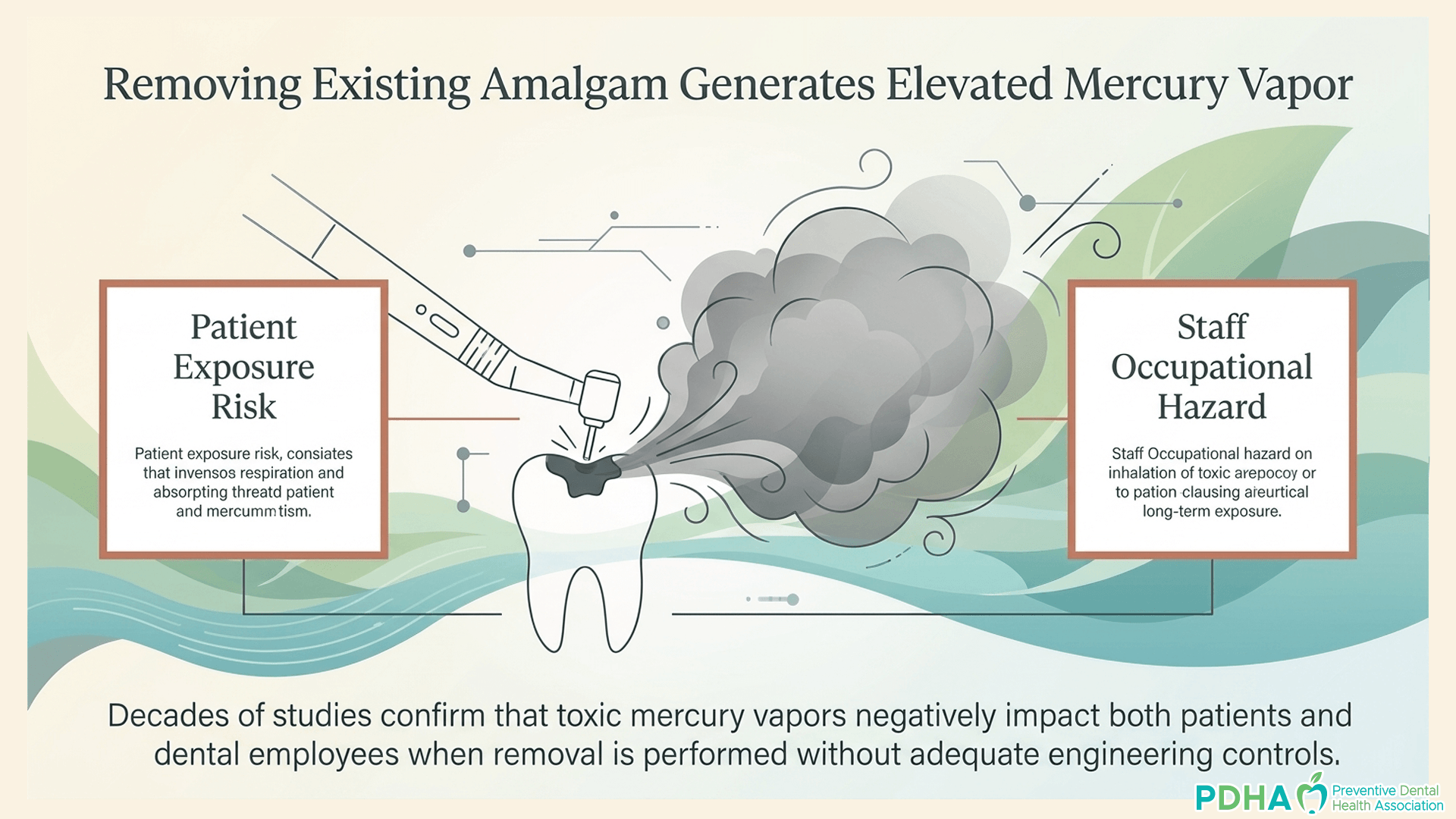
The process of removing existing amalgam restorations can generate elevated mercury levels when performed without adequate mercury-safe engineering controls. Decades of studies show that these toxic mercury vapors negatively impact both dental patients and dental employees.
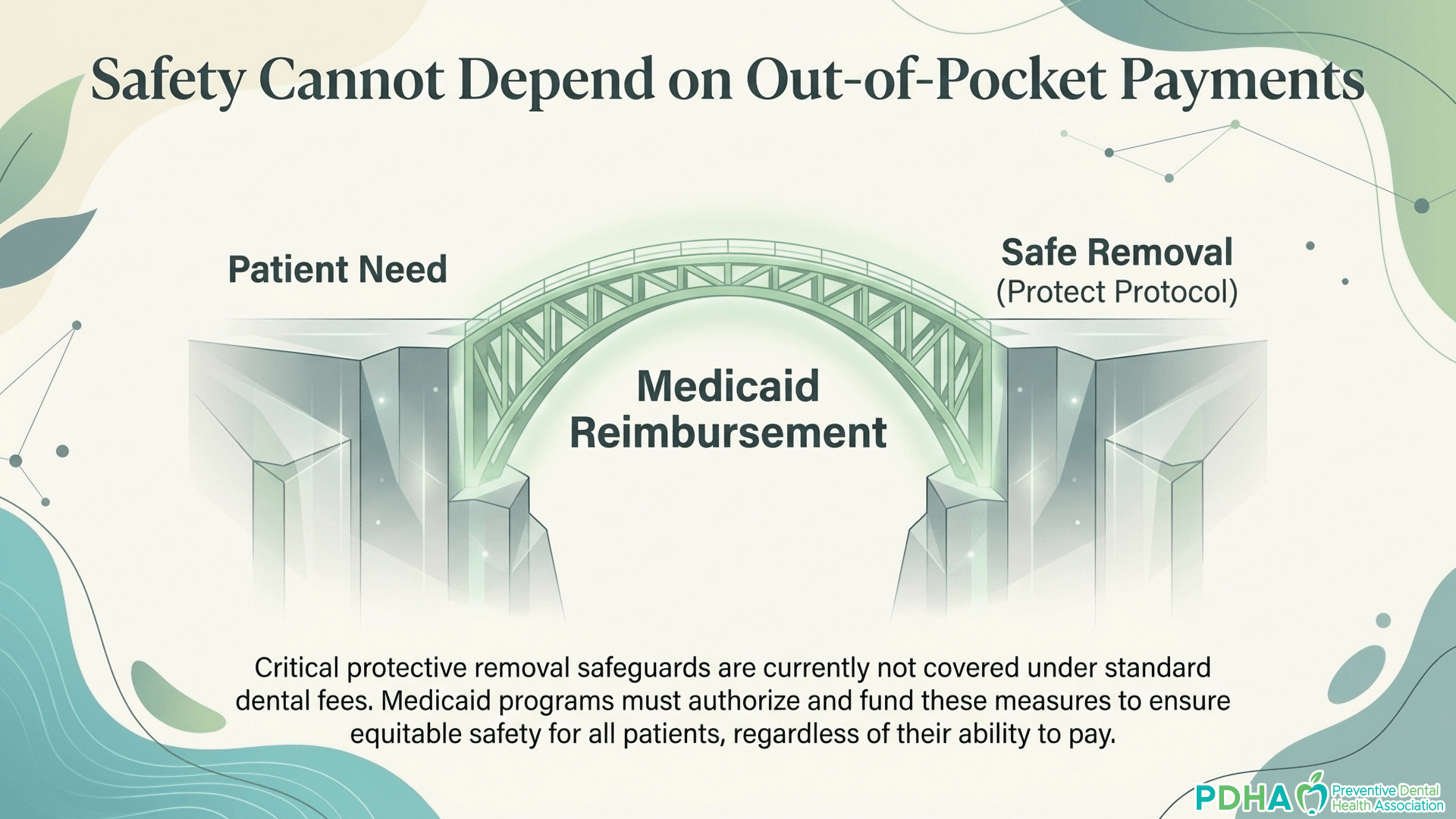
These additional safeguards require time, equipment, and specialized techniques that are not covered under standard dental fees. Medicaid programs should therefore authorize and fund these measures so that safety is not dependent on a patient’s ability to pay.
The Preventive Dental Health Association urges every State Medicaid Director to eliminate coverage for amalgam codes without delay, prioritize non-mercury restorations, and establish reimbursement for protective removal as standard practice.
A clear and prompt transition is essential to end the placement of this toxic material in the mouths of those with the fewest treatment options.
About the Preventive Dental Health Association
The PDHA is a non-profit organization dedicated to advancing biocompatible, science-based preventive oral health strategies that support systemic health and longevity. Additional information is available at thepdha.org.