They Were Children First: The Unanswered Questions of the Casa Pia Mercury Trial

THE CHILDREN OF CASA PIA

Part 4 of 4: They Were Children First

By Anita Vazquez Tibau

In Part 3, we traced how a study conducted on institutionalized children became part of the federal evidence base for dental amalgam — and how, twenty years later, the regulatory ground it was built on has begun to shift beneath it. In this final installment: what accountability would actually look like, and the question at the center of everything.

THE SURVIVORS ARE NOT A FOOTNOTE

It is easy, after twenty years, to turn Casa Pia into an argument about regulatory classification.

That would be a mistake.

The people at the center of this story were children.

They did not design the study.

They did not write the protocol.

They did not decide which material would be placed in their teeth.

They did not select the investigators.

They did not determine which outcomes would be measured.

They did not decide which data would be available for analysis.

And they did not write the regulatory rules that eventually cited the scientific record generated by their participation.

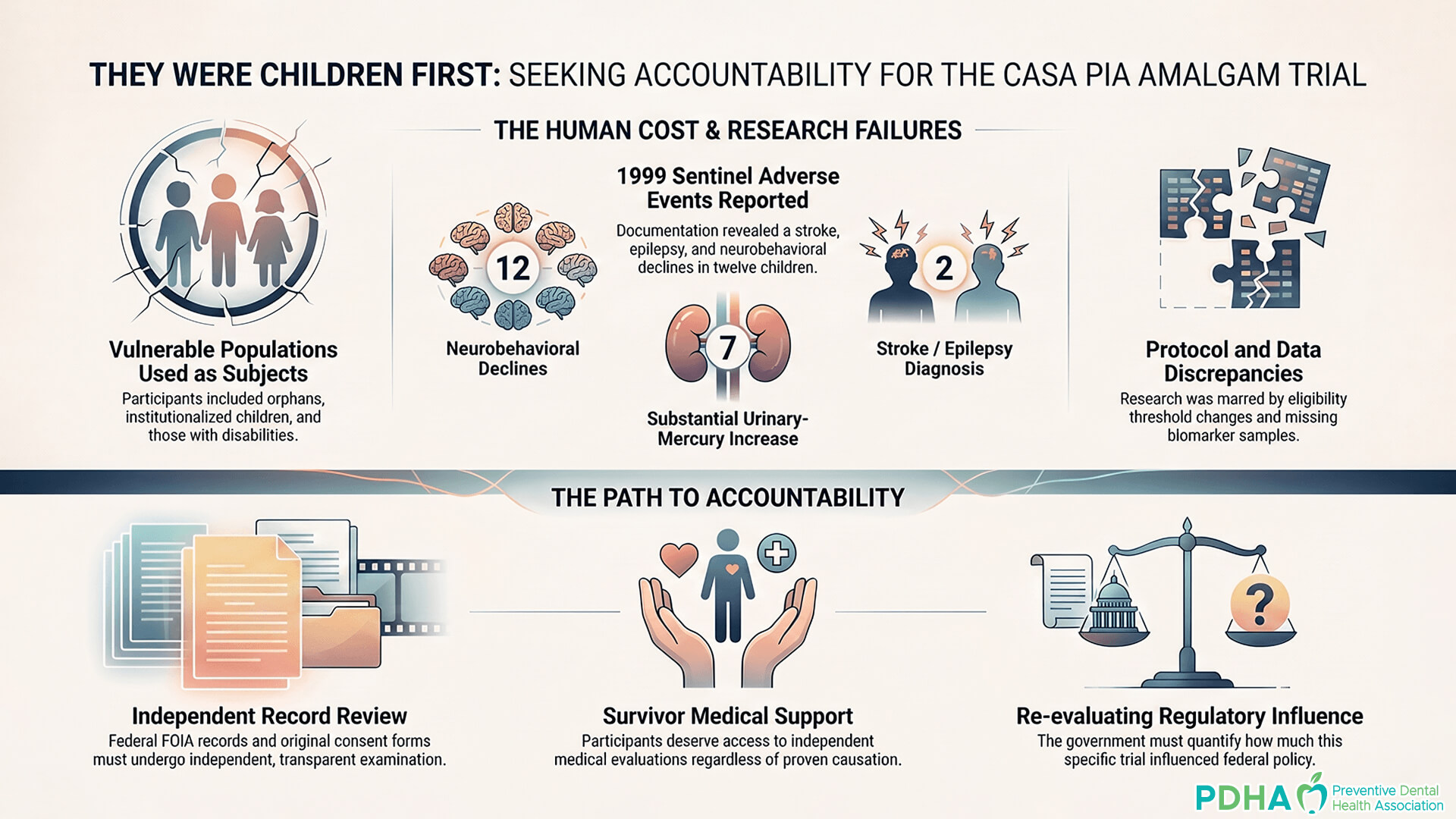
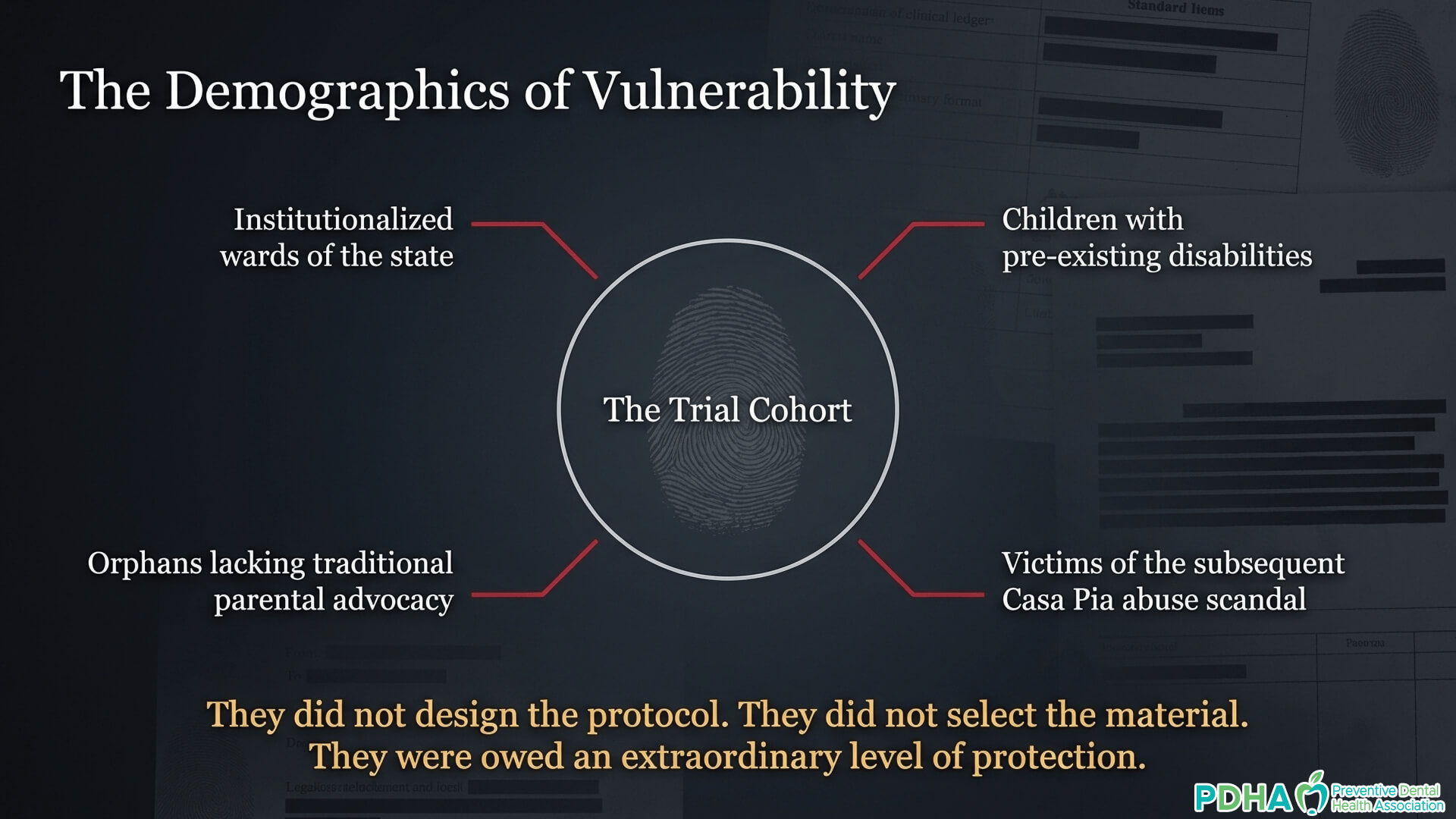
Many were already vulnerable before the study began.

Some were institutionalized.

Some were disabled.

Some were orphans.

Some were subsequently identified as victims of the Casa Pia abuse scandal.

Whatever one ultimately concludes about the scientific results, those children were owed an extraordinary level of protection.

That obligation did not disappear simply because the JAMA papers were published.

WHAT ACCOUNTABILITY SHOULD LOOK LIKE

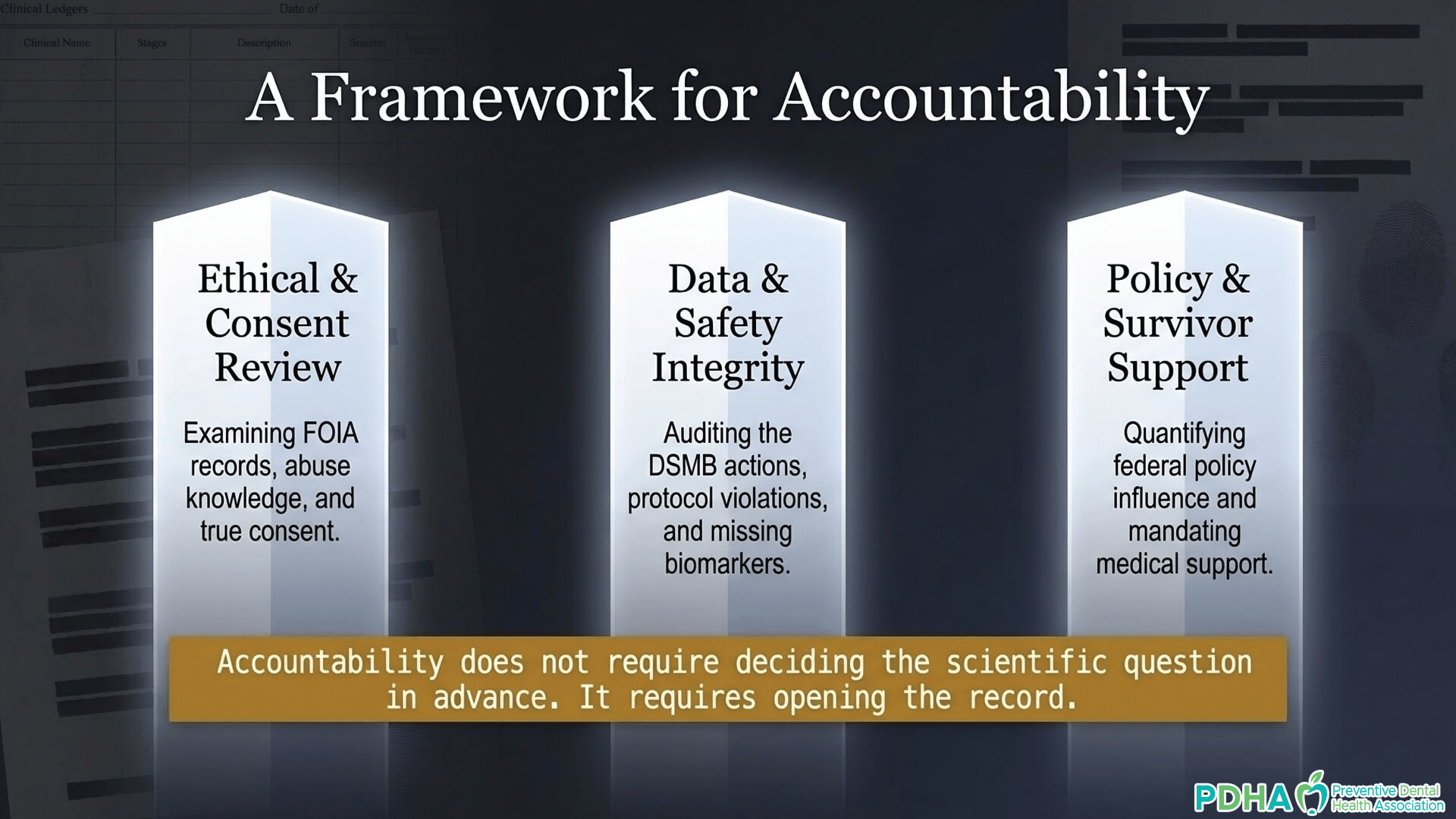
Accountability does not require deciding the scientific question in advance.

It requires opening the record.

I believe the following questions should be independently investigated:

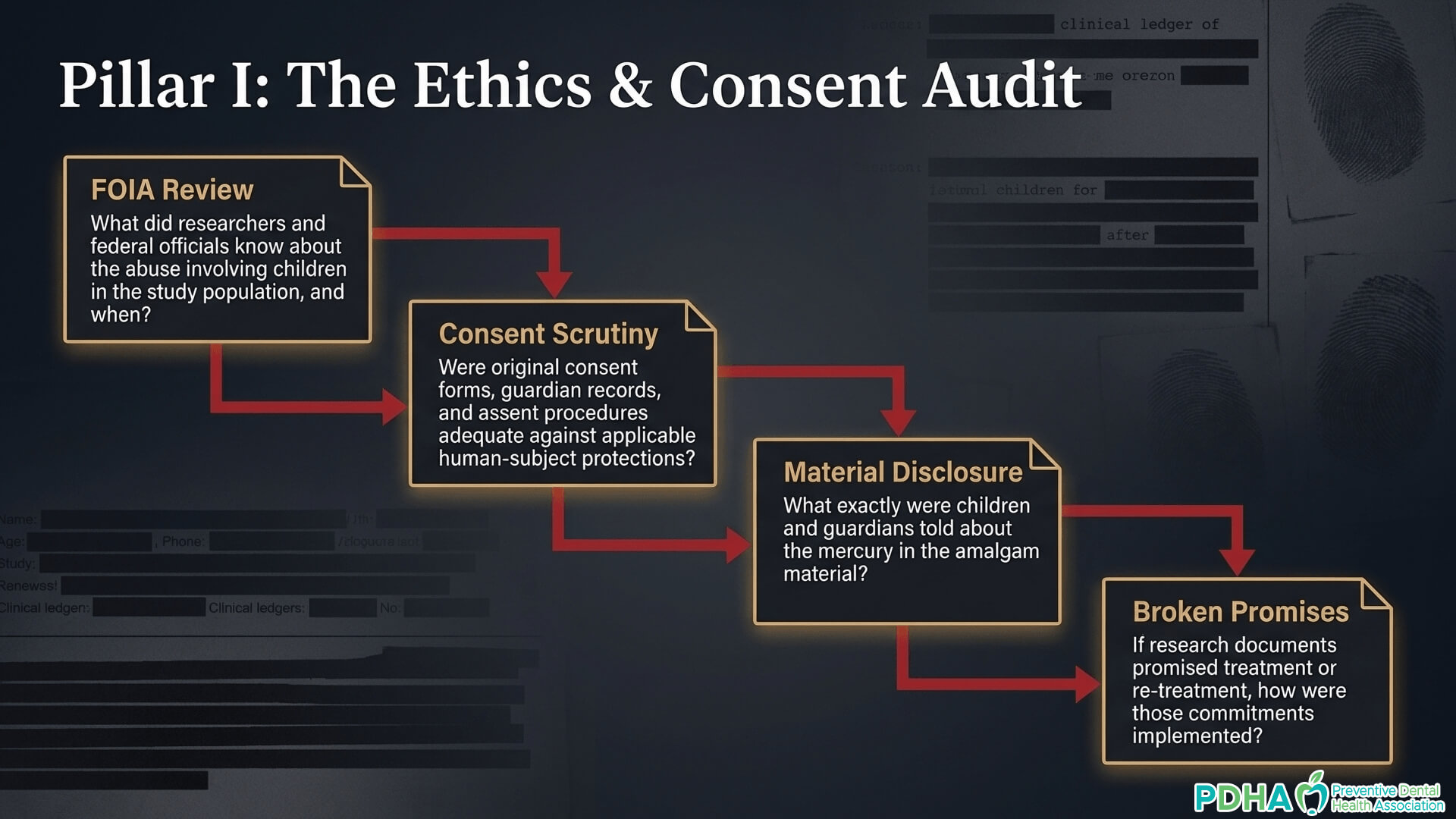
  1. What did the researchers and federal officials know about abuse involving children in the study population, and when did they know it? The FOIA records should be independently reviewed in their entirety.
  2. Was informed consent adequate? The original consent forms, guardian records, assent procedures, and re-consent documents should be examined against the human-subject protections applicable at the time.
  3. What exactly were children and guardians told about mercury in the amalgam material?
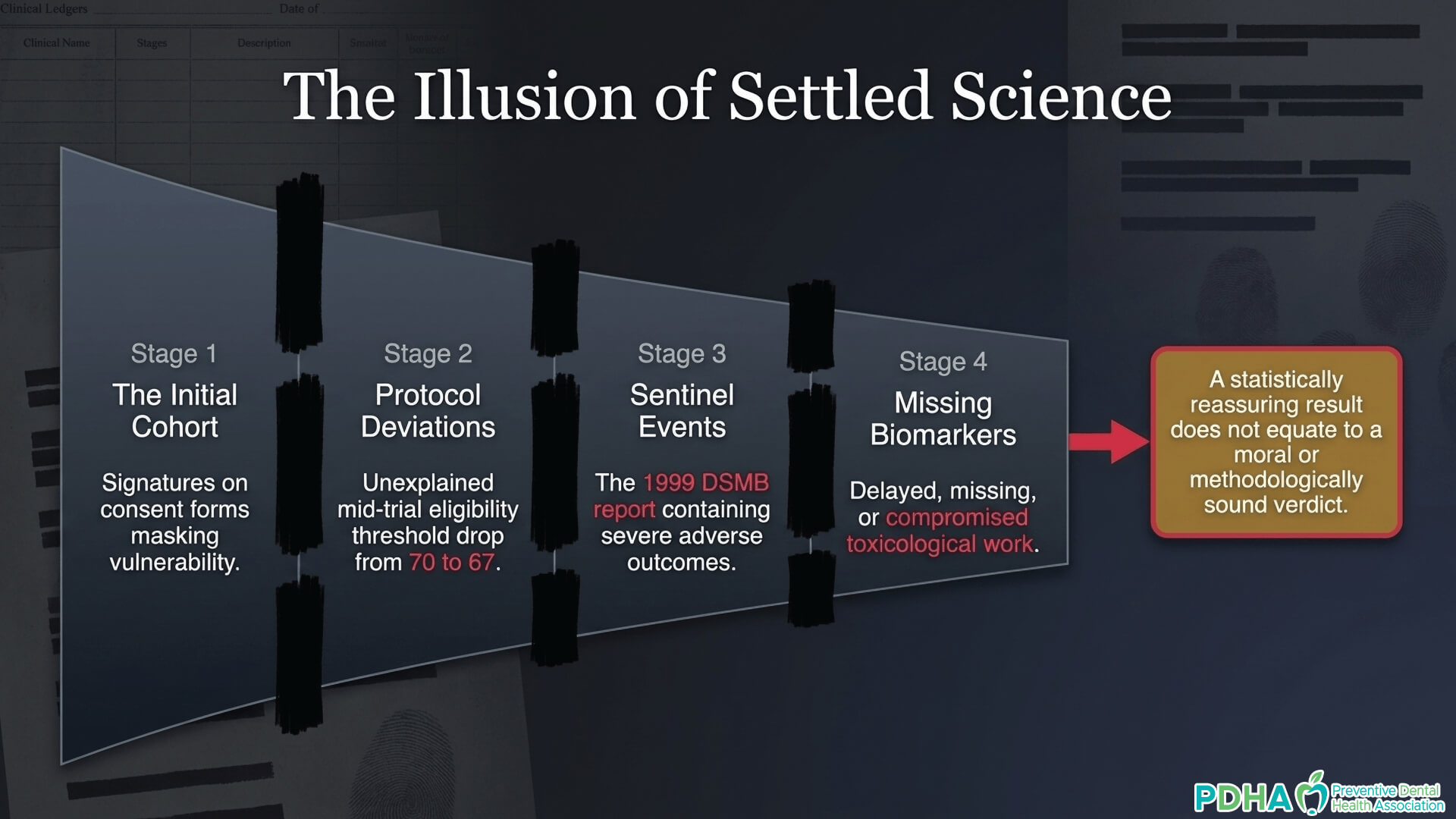
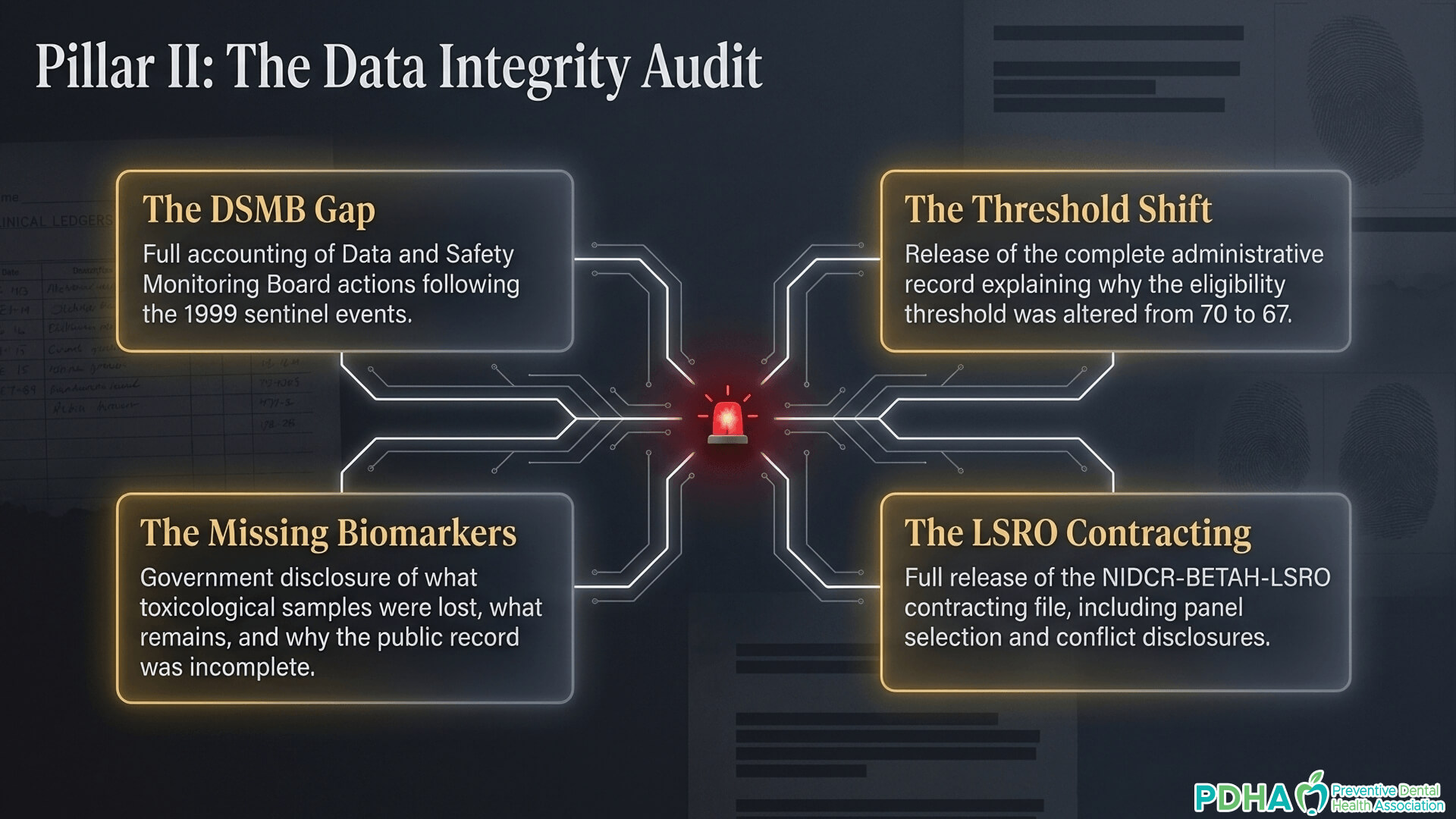
  4. Why was the eligibility threshold changed from 70 to 67, and how many other protocol violations occurred? The complete administrative and scientific record surrounding the change, along with a full accounting of enrollment outside eligibility criteria and any breaks in treatment assignment, should be released.
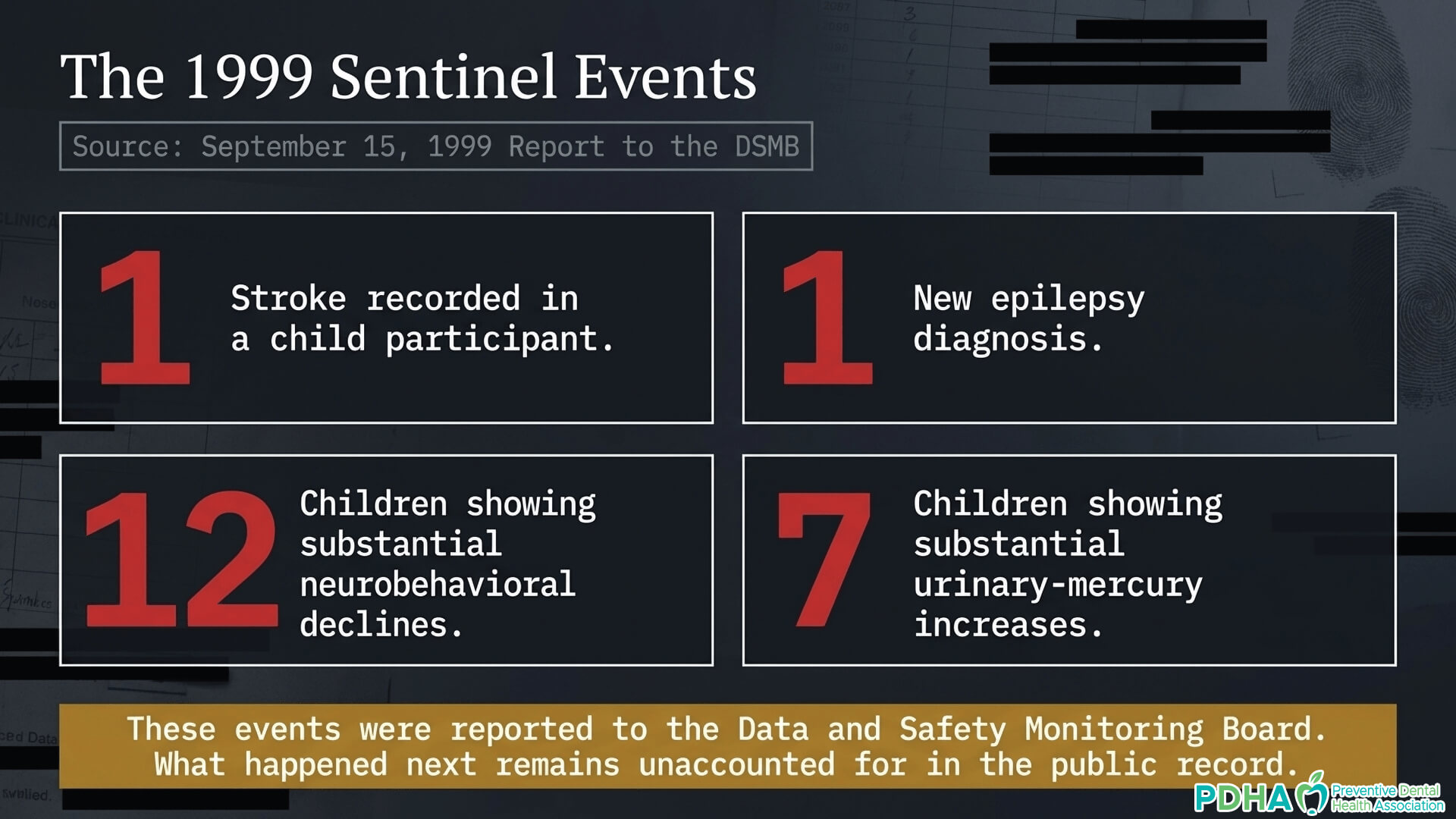
  5. What did the Data and Safety Monitoring Board do after the 1999 sentinel events were reported? The report documents a stroke, an epilepsy diagnosis, substantial neurobehavioral declines in 12 children, and substantial urinary-mercury increases in seven children. What happened next?
  6. What happened to the missing or compromised biomarker samples? The government should disclose what was lost, what remains, and why the public record was not complete when the principal findings were released.
  7. What happened to children who experienced serious adverse events? Every serious adverse event should be accounted for, including what follow-up was provided.
  8. Who shaped the LSRO review? The complete NIDCR–BETAH–LSRO contracting file should be made available, including panel selection, conflict disclosures, drafts, and communications.
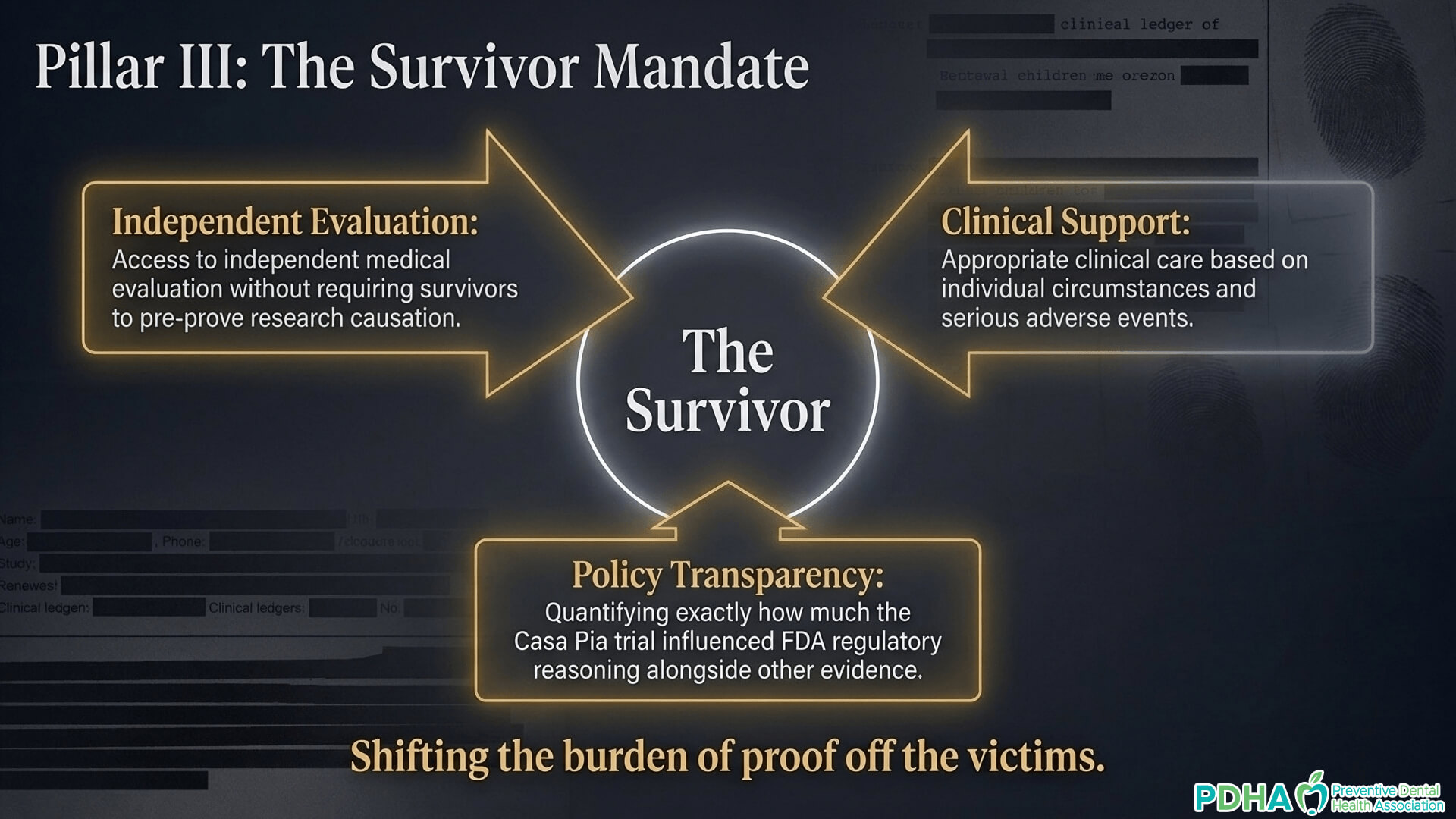
  9. How much did Casa Pia actually influence federal policy? The government should identify where the Children’s Amalgam Trials were cited in FDA’s regulatory reasoning and quantify their role alongside other evidence.
  10. What happened to the promises made in the consent documents? If the research documents promised treatment or re-treatment in specified circumstances, the government should account for how those commitments were implemented.
  11. What medical support is available to surviving participants today? Surviving participants should have access to independent medical evaluation and appropriate clinical care based on their individual circumstances, without requiring them to prove in advance that the research caused a particular illness.


That is not an unreasonable demand.

It is the minimum a government that sponsored research involving vulnerable children should be willing to consider.

THIS IS NOT ABOUT REWRITING HISTORY

There is a temptation to look at the Casa Pia trial through today’s regulatory landscape and simply declare that everyone involved was wrong.

That would be too easy.

Scientific history is rarely that simple.

The researchers believed randomized evidence was necessary.

They conducted a randomized trial.

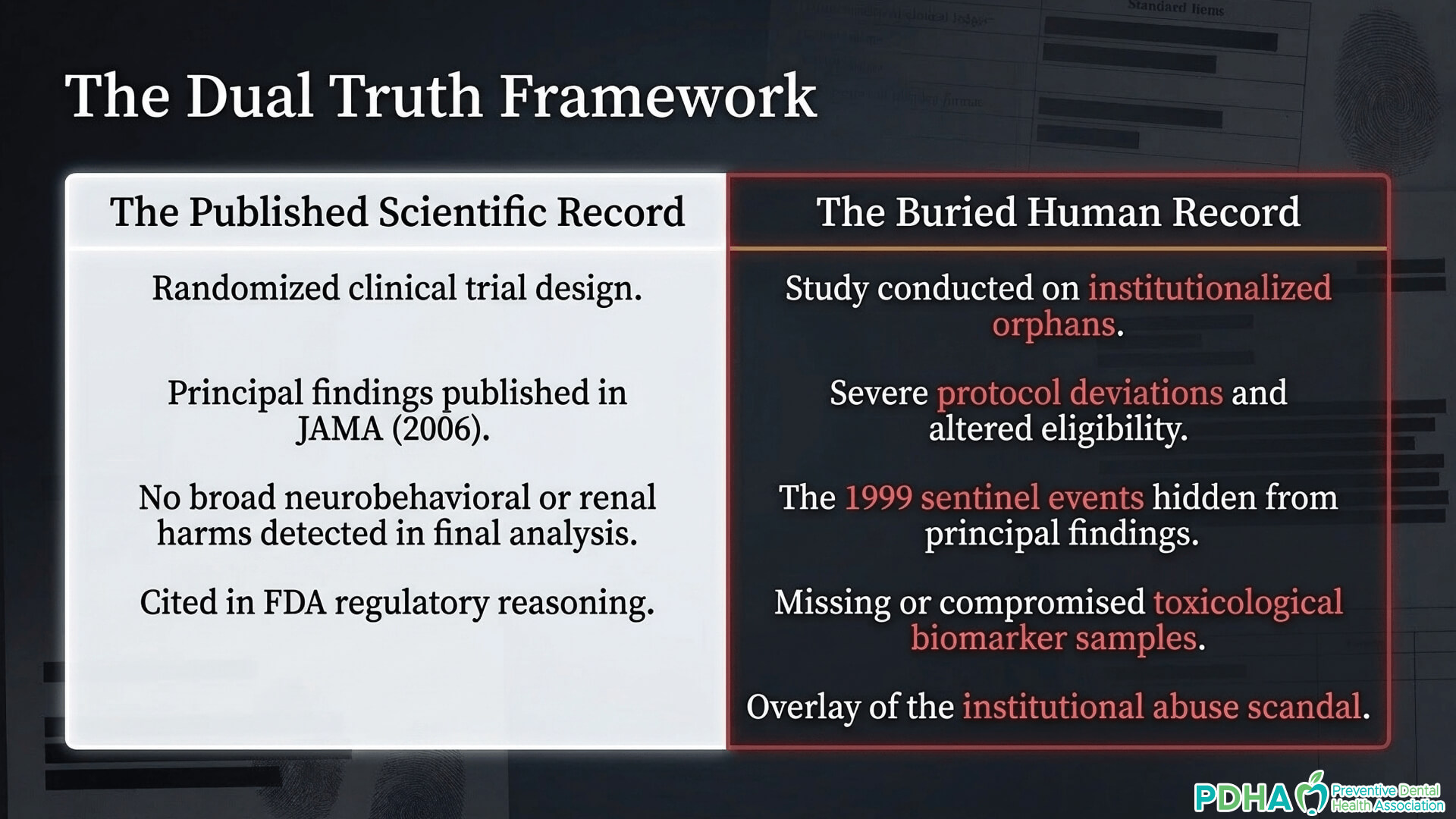
The published results did not demonstrate the broad neurobehavioral or renal harms they were designed to detect.

Those findings deserve to remain part of the scientific record.

But so do the limitations.

So do the protocol deviations.

So does the consent question.

So does the abuse scandal.

So does the 1999 DSMB report.

So do the sentinel events.

So does the missing or delayed toxicological work.

So does the FDA advisory-panel rejection.
So does the LSRO contracting history.

And so does the remarkable fact that, years later, federal and state health authorities are increasingly telling clinicians and health systems to move away from mercury-containing amalgam – while the original Casa Pia survivors still lack a comprehensive public accounting of what happened to them.

The answer is not to erase the 2006 science.

The answer is to examine it honestly.

THE CENTRAL QUESTION

For years, Casa Pia has been invoked as evidence that the question of dental-amalgam safety was settled.

But a scientific result is not the same thing as a moral verdict.

A study can produce a statistically reassuring result and still raise profound questions about how it was conducted.

A trial can be randomized and still have protocol deviations.

A study can report no significant adverse effect and still leave important toxicological questions unanswered.

A consent form can contain signatures and still deserve scrutiny over whether the information provided was adequate.

A Data and Safety Monitoring Board can receive reports of sentinel neurological events and substantial mercury increases, and the public can still be entitled to know what happened afterward.

And a regulatory decision can be legally valid while still deserving to be reconsidered when the underlying evidence and public-health landscape change.

That is where Casa Pia stands today.

The issue is no longer simply whether amalgam was once considered acceptable.

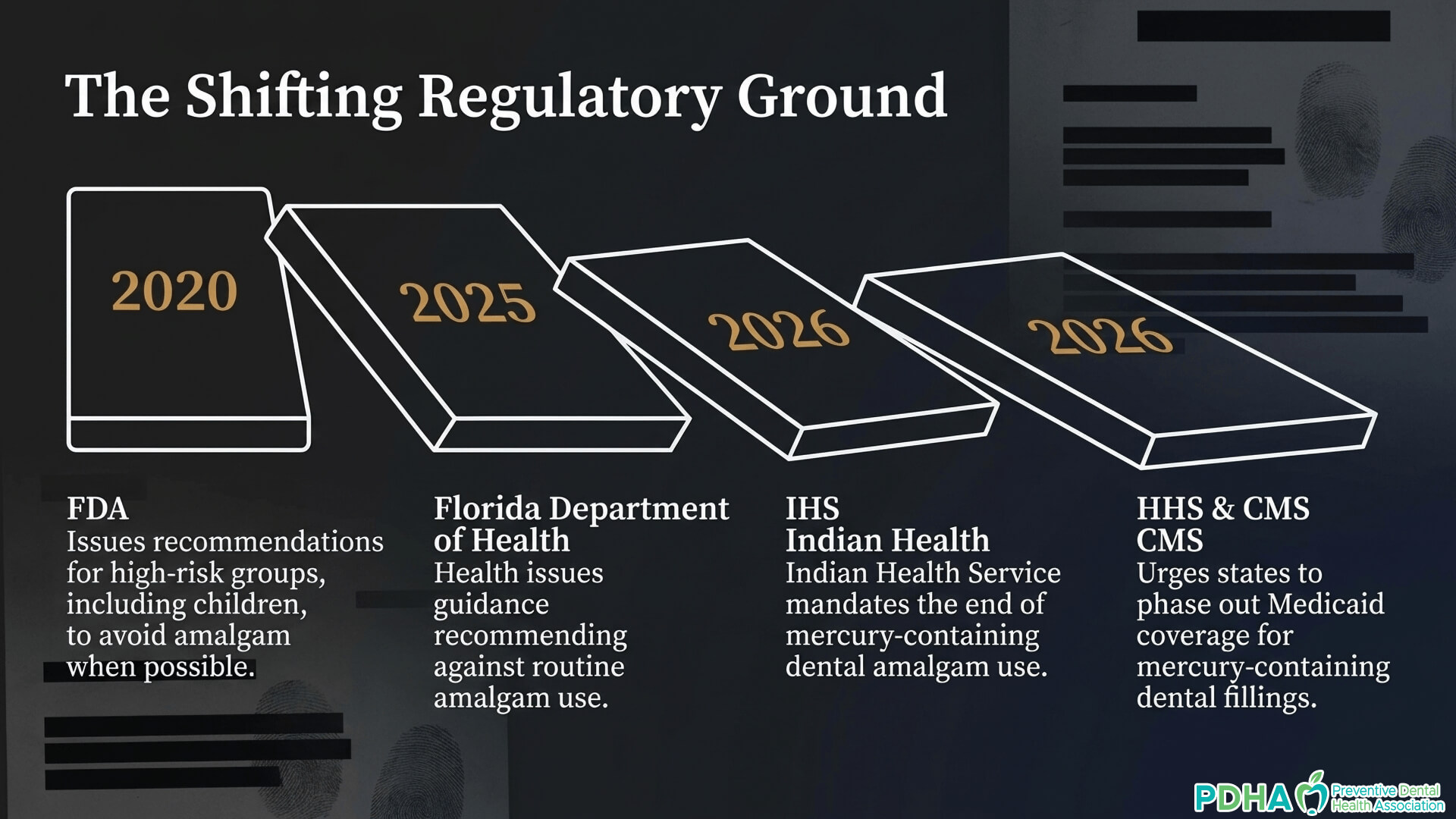
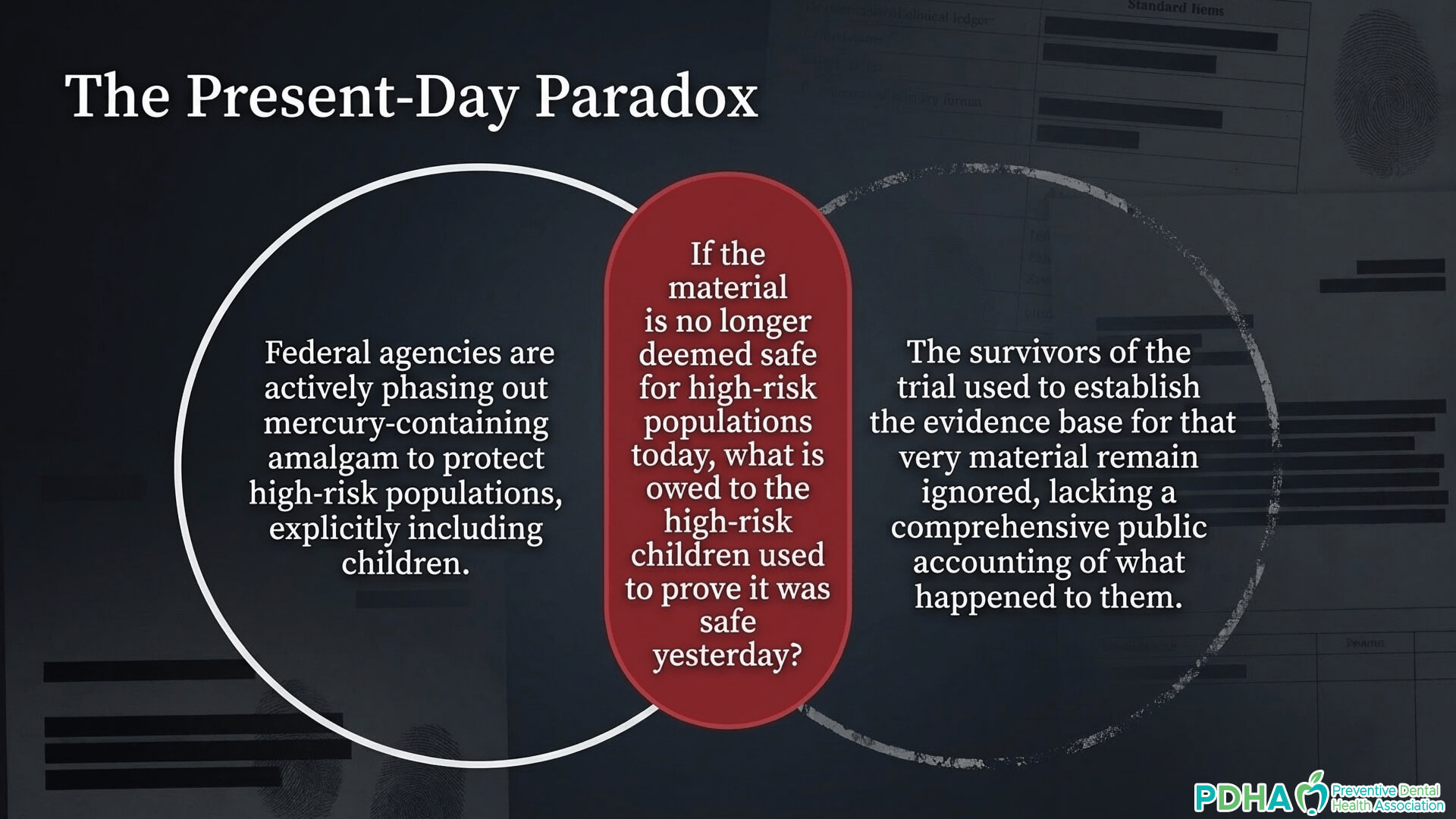
The federal government itself now recognizes that certain populations face greater risks from mercury exposure.

FDA recommends that high-risk groups, including children, avoid amalgam when possible and appropriate.

Florida has recommended against routine amalgam use.

IHS is ending its use.

HHS and CMS are urging states to phase out Medicaid coverage.

The question that remains is painfully simple:

“What about the children who were used to establish the evidence that helped make this material acceptable in the first place?”

THEY WERE CHILDREN FIRST

The Casa Pia survivors should not have to spend the rest of their lives proving that they mattered.

They were children before they were research subjects.

They were vulnerable before they were randomized.

And they deserved protection before anyone knew what the final statistical tables would say.

The government can continue debating the scientific interpretation of the Children’s Amalgam Trials.

It can continue debating mercury exposure, susceptibility, biomarkers, and regulatory standards.

But it cannot responsibly debate those questions while ignoring the human beings whose bodies generated the evidence.

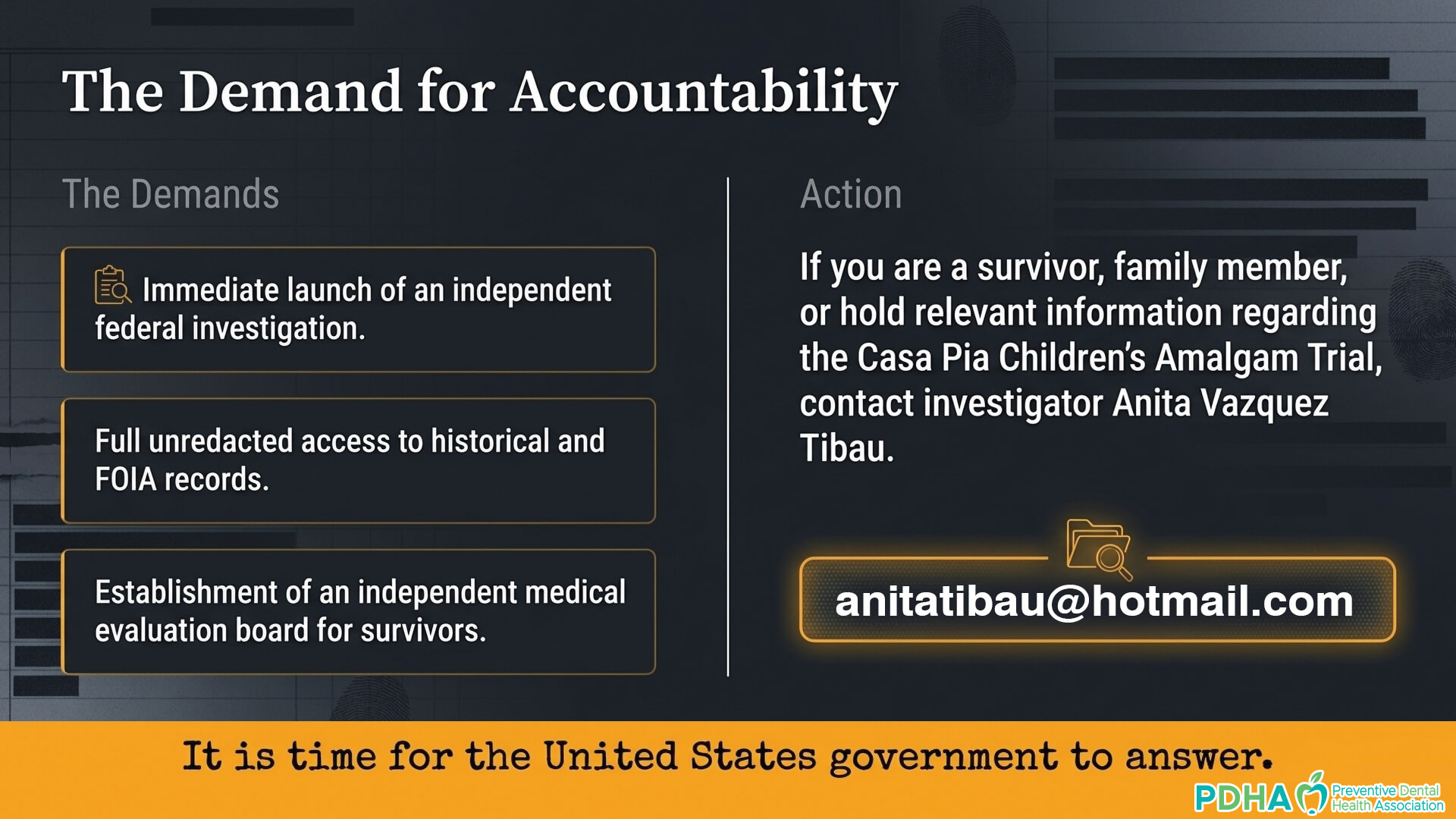
The survivors deserve an independent investigation.

They deserve access to their records.
They deserve a complete accounting of what happened.

They deserve independent medical evaluation.

And where clinically appropriate, they deserve treatment and support based on their individual needs.

They deserve to know what the government knew about the circumstances surrounding their participation.

They deserve to know what happened to the data collected from them.

They deserve to know how their experience became part of a regulatory record.

And they deserve an answer to the question that has followed this story for decades:

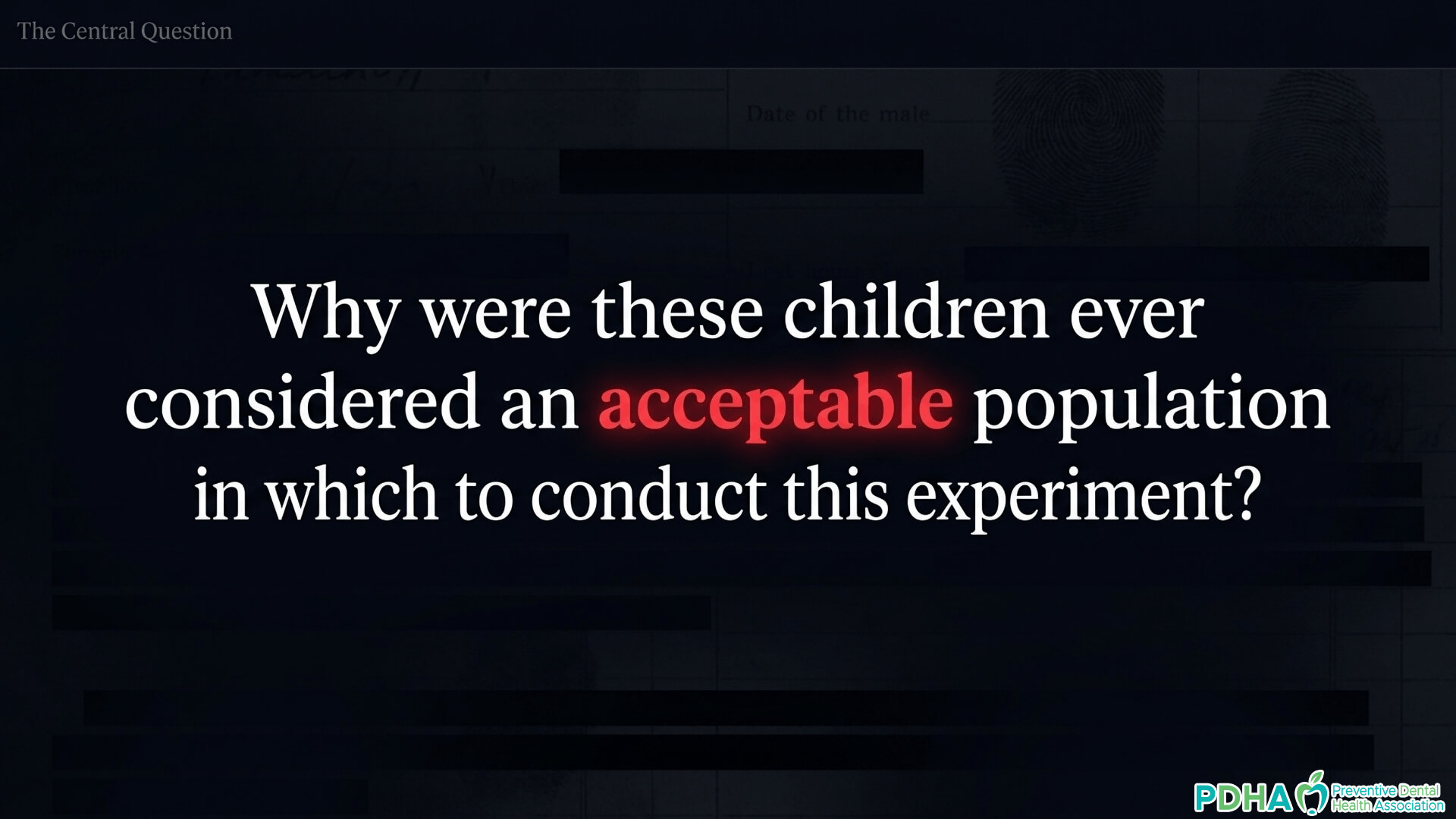
“Why were these children ever considered an acceptable population in which to conduct this experiment?”

In my opinion, that is the question that must finally be answered.

That is the question I promised the survivors I would never stop asking.

And now, with the regulatory landscape changing around the very material at the center of their story, it is time for the United States government to answer it.

Additional Supporting Evidence

The following infographics highlight key questions of ethics, informed consent, data integrity, accountability, and survivor support raised throughout this article. Click any image to view a larger version for easier reading and closer examination.

A NOTE ON EVIDENCE AND SOURCING

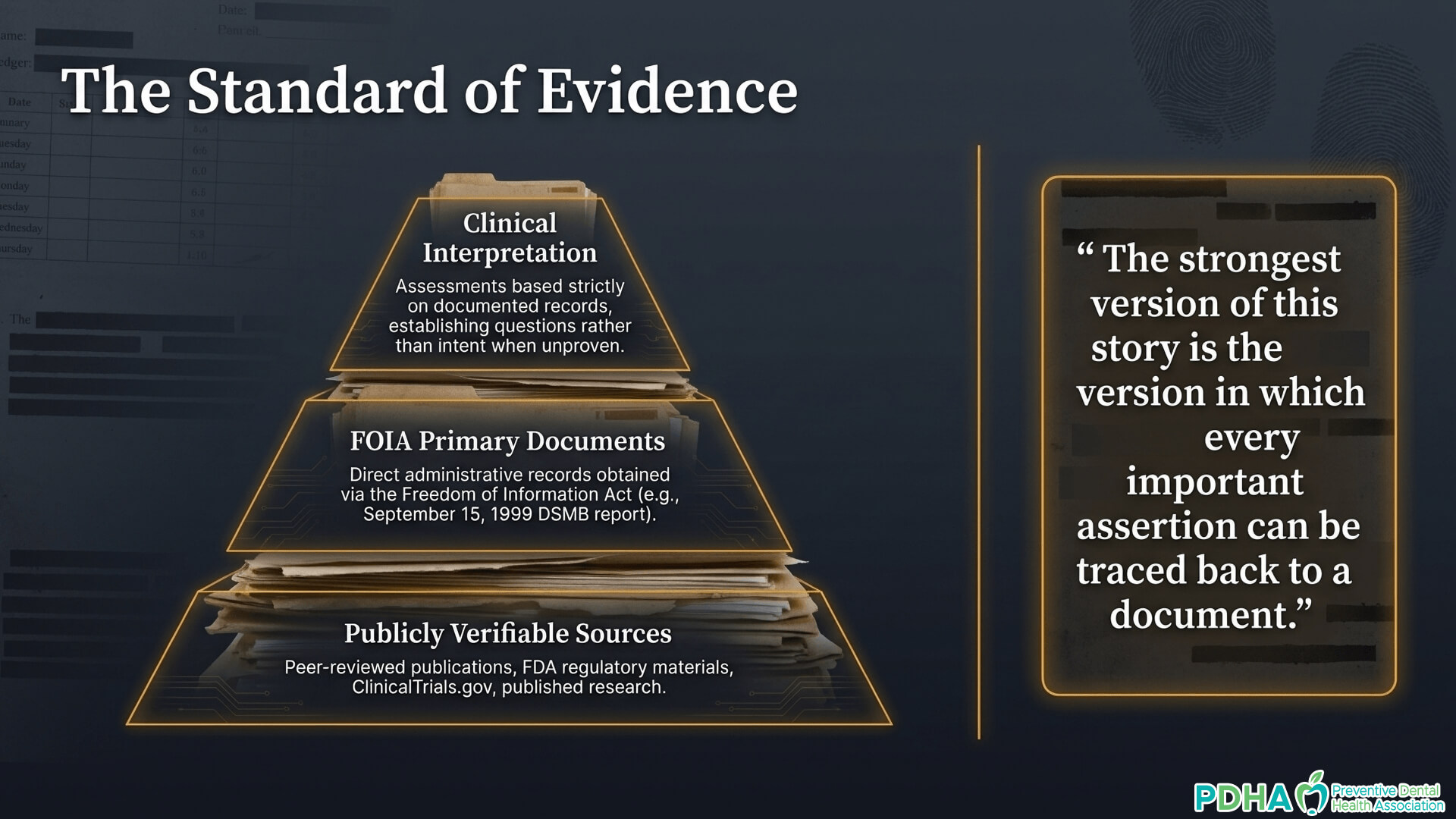
This article distinguishes between three categories of evidence:

Publicly verifiable sources: peer-reviewed scientific publications, federal agency documents, FDA regulatory materials, ClinicalTrials.gov, contemporaneous reporting, and published investigative research.

Primary documents obtained through FOIA: These records are identified as such. Where a claim depends upon a FOIA document, the article does not represent the document’s contents as independently verified unless another source independently corroborates them.

Interpretation: Conclusions drawn from the documented record are identified as questions, assessments, or arguments rather than presented as established facts when the underlying evidence does not establish intent or causation.

The central purpose of this distinction is simple:

The strongest version of this story is the version in which every important assertion can be traced back to a document.

The following records were obtained through Freedom of Information Act request PR-2012-00165 and are provided as primary-source documentation supporting this article.

Casa Pia Study Consent Form for Parents or Legal Guardians – FOIA PR-2012-00165_Stage3, Page 68 (PDF)

First-Year Follow-Up Results on Secondary Outcome Variables – FOIA PR-2012-00165_Stage3, Page 31 (PDF)
References:

1. Townsend JC, et al. The Children’s Amalgam Trial: design and methods. Contemporary Clinical Trials. 2003. https://pubmed.ncbi.nlm.nih.gov/14662283/

2. DeRouen TA, et al. Neurobehavioral Effects of Dental Amalgam in Children: A Randomized Clinical Trial. JAMA. 2006. https://jamanetwork.com/journals/jama/fullarticle/202707

3. Bellinger DC, et al. Neuropsychological and Renal Effects of Dental Amalgam in Children: A Randomized Clinical Trial. JAMA. 2006. https://jamanetwork.com/journals/jama/fullarticle/202706

4. Woods JS, et al. Urinary porphyrin excretion in children with mercury amalgam treatment: findings from the Casa Pia Children’s Dental Amalgam Trial. Journal of Toxicology and Environmental Health. 2009. https://pubmed.ncbi.nlm.nih.gov/19557617/

5. Woods JS, et al. Biomarkers of kidney integrity in children and adolescents with dental amalgam mercury exposure: Findings from the Casa Pia children’s amalgam trial. Environmental Research. 2008. https://pmc.ncbi.nlm.nih.gov/articles/PMC3236600/

6. FDA. White Paper: FDA Update/Review of Potential Adverse Health Risks Associated with Exposure to Mercury in Dental Amalgam. https://www.fda.gov/medical-devices/dental-amalgam-fillings/white-paper-fda-updatereview-potential-adverse-health-risks-associated-exposure-mercury-dental

7. FDA. Addendum to the Dental Amalgam White Paper: Response to 2006 Joint Advisory Panel Comments and Recommendations. https://www.fda.gov/media/77119/download

8. FDA. Dental Amalgam, Mercury, and Amalgam Alloy — Class II Special Controls Guidance. July 28, 2009. https://iabdm.org/wp-content/uploads/FDA-Dental-Amalgam-Mercury-and-Amalgam-Alloy-Class-II-Special-Controls-Guidance.pdf

9. FDA. FDA Issues Recommendations for Certain High-Risk Groups Regarding Mercury-Containing Dental Amalgam. September 24, 2020. https://www.fda.gov/news-events/press-announcements/fda-issues-recommendations-certain-high-risk-groups-regarding-mercury-containing-dental-amalgam

10. FDA. Information for Patients About Dental Amalgam Fillings. https://www.fda.gov/medical-devices/dental-amalgam-fillings/information-patients-about-dental-amalgam-fillings?trk=public_post_comment-text

11. Schick SF, Glantz SA. Old Ways, New Means: Tobacco Industry Funding of Academic and Private Sector Scientists Since the Master Settlement Agreement. Tobacco Control. 2007. https://pmc.ncbi.nlm.nih.gov/articles/PMC2598497/

12. Life Sciences Research Office. Report on Dental Amalgam Safety Review. 2004.
https://www.govinfo.gov/content/pkg/FR-2009-08-04/pdf/E9-18447.pdf
http://www.lsro.org/presentation_files/amalgam/amalgam_execsum.pdf

13. Florida Department of Health, Office of the Surgeon General. State Surgeon General Dr. Joseph A. Ladapo Issues Guidance for Amalgam Restoration Use. August 25, 2025. https://content.govdelivery.com/accounts/FLDOH/bulletins/3ef6997

14. Indian Health Service. Indian Health Service to End Use of Mercury-Containing Dental Amalgam by 2027. February 9, 2026. https://www.hhs.gov/press-room/ihs-to-end-use-of-mercury-containing-dental-amalgam-by-2027.html

15. U.S. Department of Health and Human Services. Trump Administration Encourages States to End Mercury-Containing Dental Fillings. July 22, 2026. https://www.hhs.gov/press-room/trump-administration-encourages-states-end-mercury-containing-dental-fillings.html

16. Casa Pia Children’s Amalgam Trial. Report to the Data and Safety Monitoring Board. September 15, 1999. Freedom of Information Act Records Obtained by the Author:
PR-2012-00165_Stage3, Page 68
PR-2012-00165_Stage3, Page 31
A FINAL WORD TO THE SURVIVORS

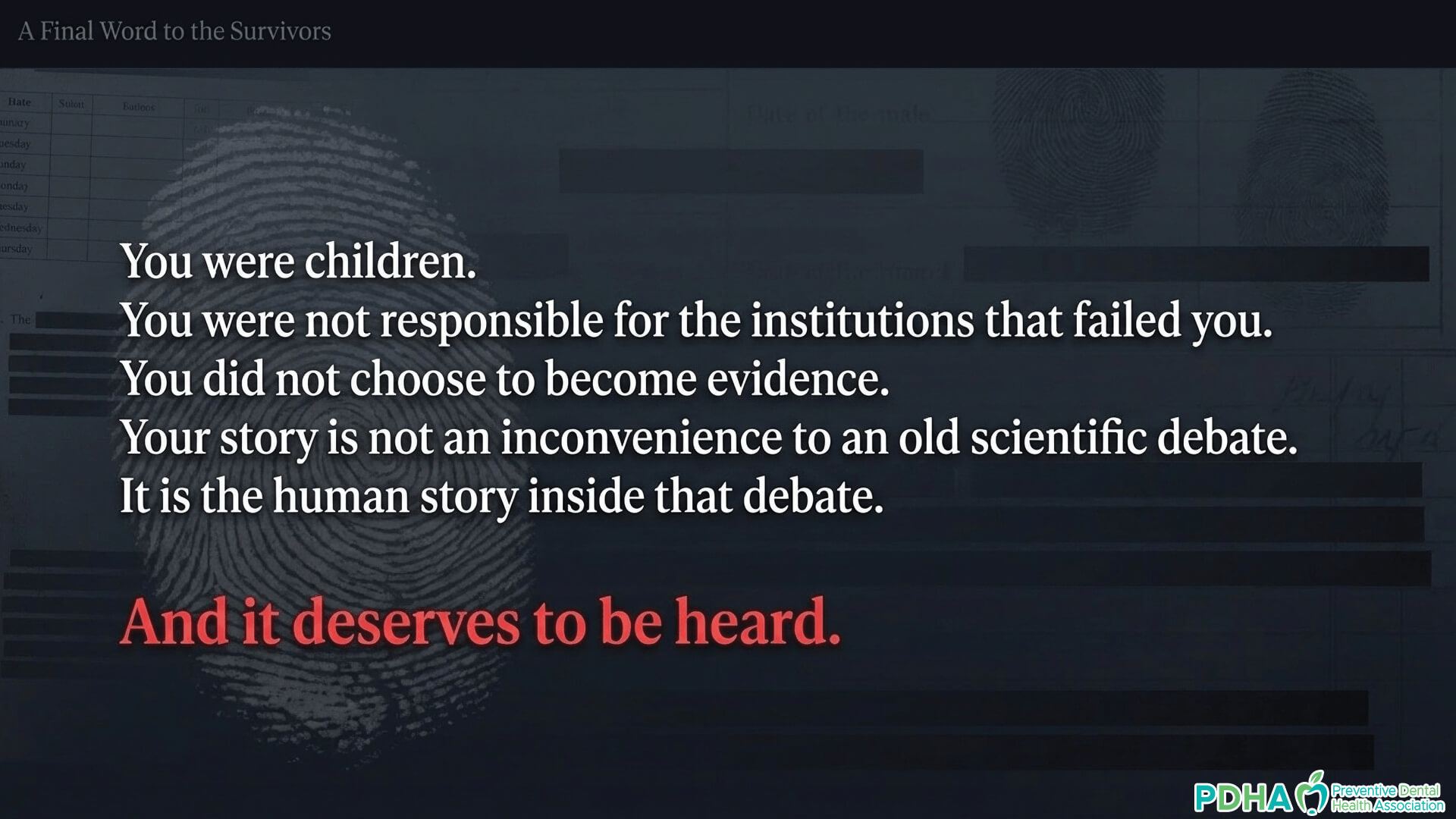
You were children.

You were not responsible for the institutions that failed you.

You did not choose the adults who abused you.

You did not design the research.

You did not choose to become evidence.

And you should never have had to spend decades asking why.

Your story is not an inconvenience to an old scientific debate.

It is the human story inside that debate.

And it deserves to be heard.

This concludes the four-part series “The Children of Casa Pia.” If you are a survivor, family member, or someone with information relevant to this story, you can reach out to the author below.

Like this article?

Share on Facebook
Share on Twitter
Share on Linkdin
Share on Pinterest

They Were Children First: The Unanswered Questions of the Casa Pia Mercury Trial

It is easy, after twenty years, to turn Casa Pia into an argument about regulatory classification. That would be a mistake. The people at the center of this story were children. They did not design the study. They did not write the protocol. They did not decide which material would be placed in their teeth. They did not select the investigators. They did not determine which outcomes would be measured. They did not decide which data would be available for analysis. And they did not write the regulatory rules that eventually cited the scientific record generated by their participation. Many were already vulnerable before the study began.

Learn More »

Is the Alzheimer’s Epidemic a Hidden Case of Mercury Poisoning?

In the late 1700s and 1800s, the medical literature of the Western world was remarkably silent regarding the devastating cognitive decline we now call Alzheimer’s Disease (AD). The pathologists of the Victorian era were not mere hobbyists; they were meticulous observers who cataloged rare conditions with obsessive detail.

Learn More »

How a Study Became a Regulatory Benchmark – and Why the Ground Has Shifted

In 2006, FDA staff prepared a White Paper concerning potential adverse health risks associated with mercury in dental amalgam. The agency then brought the issue before a joint advisory panel in September 2006. The panel did not simply endorse the FDA staff’s conclusion. According to the contemporaneous record, the panel voted 13–7 against accepting the FDA staff’s safety conclusion.

Learn More »