
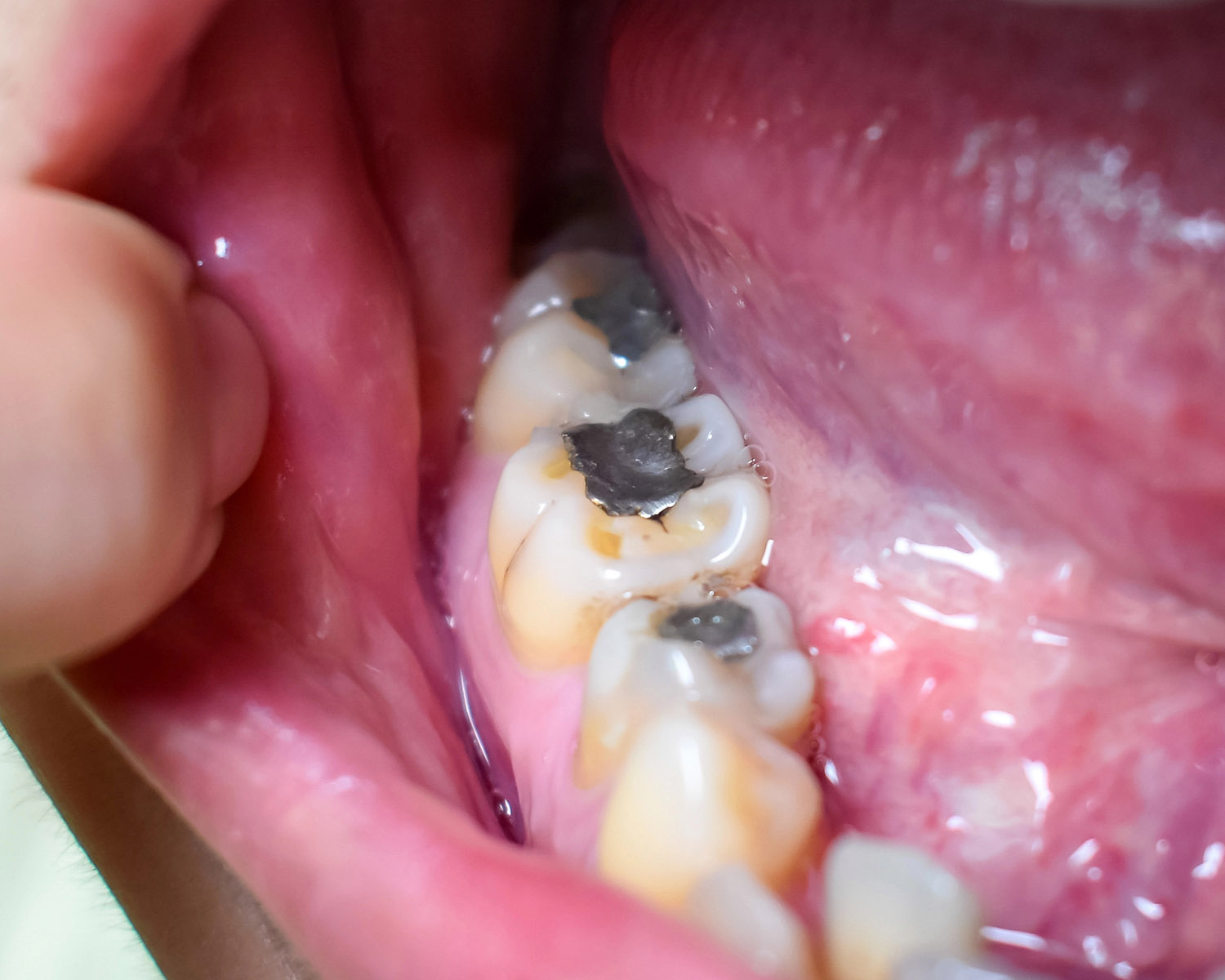
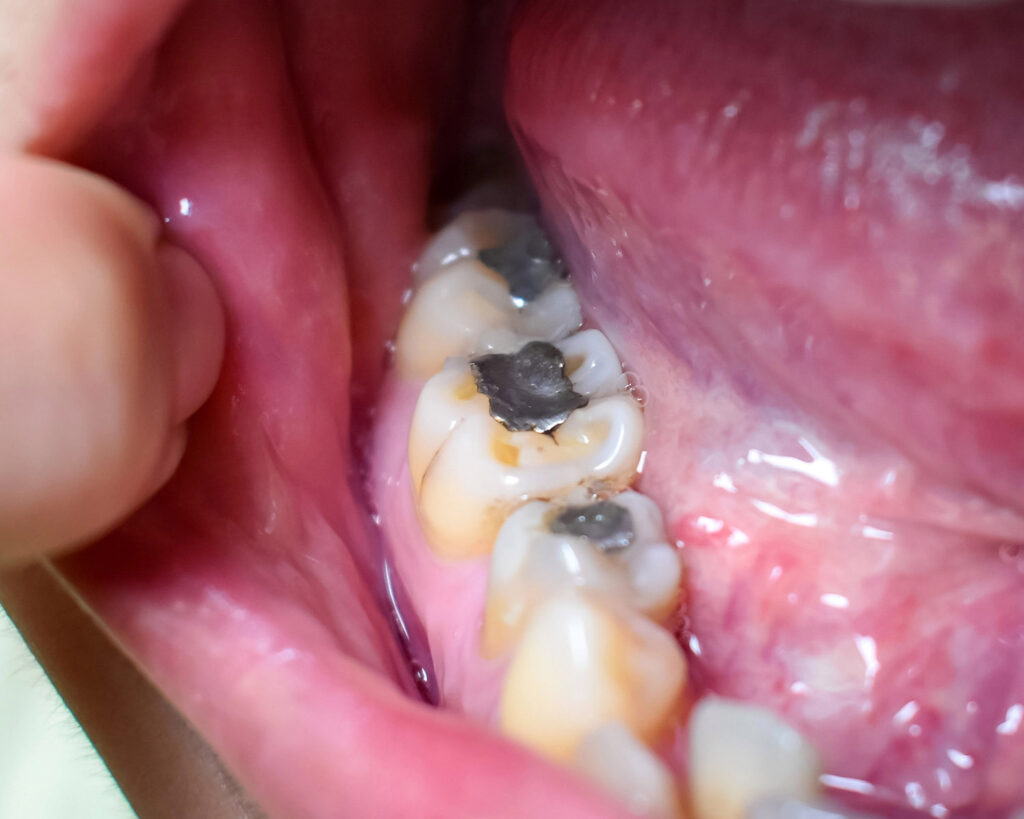
SAN DIEGO, CA, UNITED STATES, August 1, 2025 /EINPresswire.com/ — The Preventive Dental Health Association (PDHA) urgently calls on the U.S. Food and Drug Administration (FDA) to ban mercury amalgam fillings, often referred to as “silver fillings,” which contains approximately 50% mercury, a known neurotoxin.
A 2025 mini-review by Blanche D. Grube, DMD, and Anita Vazquez Tibau, Will the US Food and Drug Administration (FDA) Follow the EU’s Mercury Dental Amalgam Ban? A Mini-Review, highlights the FDA’s decision in 2009 that a ban of, or restriction on, the use of dental amalgam was not necessary or appropriate. The PDHA believes this unrestricted approach fails to align with recent scientific evidence indicating mercury exposures from amalgam exceed safety levels and pose a serious health risk.
Mercury amalgam releases toxic vapors with every breath, chew, or swallow, making it the primary source of human mercury exposure, per the World Health Organization. Over 180 million Americans who have mercury fillings, may eventually have them removed, vastly exceeding EPA safety thresholds. This added exposure during removal greatly increases the risks of neurological, kidney, or immune system issues. Pregnant women, children, and those with genetic vulnerabilities are especially at risk. Meanwhile, the American Dental Association’s (ADA) defense of amalgam’s cost-effectiveness fuels the FDA’s resistance to bans and transparency, while ethical dentists face relentless persecution for prioritizing patient safety.

The PDHA would like to highlight the challenges faced by ethical dentists who choose mercury-free practices and prioritize safe removal with full informed consent. These professionals routinely encounter scrutiny, including license reviews, from dental boards influenced by the ADA, which supports amalgam use. The PDHA invites public support for citizen petition FDA-2025-P-2526-0001 to protect millions, including veterans and military personnel, from potential harm.
Globally, safer alternatives like composite resin and Atraumatic Restorative Treatment are widely used, and the European Union’s 2025 amalgam ban, aligned with the Minamata Convention, sets a precedent. U.S. dental practices contribute to environmental mercury pollution and the PDHA urges adoption of safe removal protocols like the PROTECT and SMART Protocols. The Grube-Tibau mini-review, underscores the need for updated FDA policies.
The PDHA requests the public:
• Support for the citizen petition FDA-2025-P-2526-0001 by August 31, 2025, at regulations.gov and submit a comment in the comment box stating, “I support the ban on mercury dental amalgam and the protection of ethical dentists.” to demand the FDA eliminate this neurotoxin and end the persecution of dentists using safe, non-toxic practices.
• Read and share the mini-review at scivisionpub.com to raise awareness.
• Encourage new FDA leadership to align with precedents like the ban on mercury-based thimerosal in vaccines and phase out mercury amalgam.
• Support mercury-free dentists using PROTECT or SMART protocols.
The PDHA stands with veterans, families, and ethical dentists to promote safer dental care. We invite the FDA to collaborate on this critical public health issue.
David Kennedy
The Preventive Dental Health Association
+1 619-247-5738
Check Out: PDHA urges adoption of safe removal protocols like the PROTECT Protocol