

US-funded study exposed abused Portuguese orphans to mercury fillings amid 2002 sex abuse scandal; researchers knew, reanalysis showed harm; calls for probe.
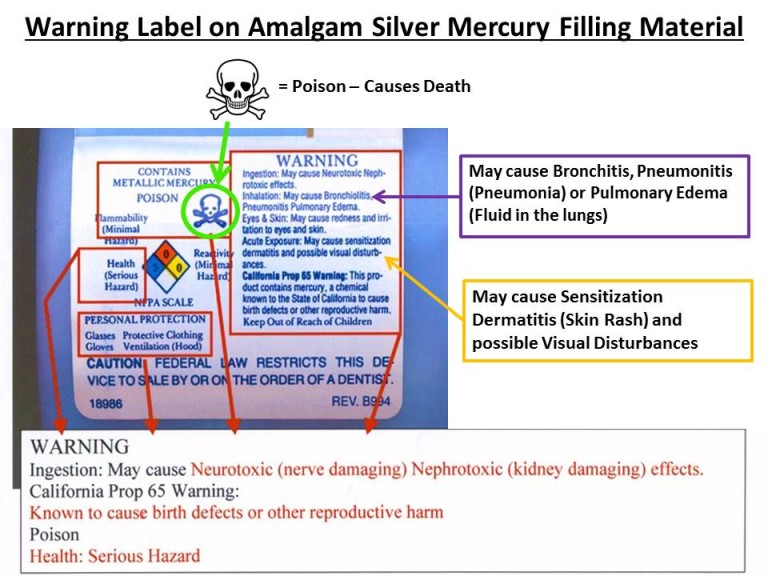
A renewed investigation by investigative journalist Noel Fritsch of National File, has reopened scrutiny of the controversial Casa Pia Children’s Amalgam Trial, revealing that a U.S. government–funded experiment exposing institutionalized Portuguese orphans to mercury dental fillings continued even as a massive sexual abuse scandal involving the same children erupted inside the Casa Pia system.
Documents obtained through Freedom of Information Act requests show researchers were aware of sexual abuse allegations while the study was ongoing. Despite these revelations, the experiment continued until 2008, raising serious questions about research ethics, federal oversight, and the protection of vulnerable children in federally funded studies.
The Casa Pia study was used for decades to justify mercury exposure in children, yet the participants were never warned, never monitored, and never offered medical follow-up."
- International advocate, researcher, and author Anita Tibau

Key Findings From the Investigation
• Abuse Scandal Overlapped the Study
International media outlets including BBC, The New York Times, and Reuters documented widespread sexual abuse within Casa Pia institutions beginning in 2002. Experts later estimated that more than 100 children may have been victims.
• Researchers Knew About Abuse Allegations
Emails show lead investigator Timothy A. DeRouen acknowledged awareness of abuse allegations affecting children connected to the study before federal authorities were notified.
• Later Reanalysis Found Evidence of Harm *view the video
A reanalysis by David A. Geier and Mark R. Geier identified neurological and behavioral deficits in boys with higher mercury exposure from dental amalgam.
• Participants Were Never Monitored
Despite federal protections governing human subject research under the Common Rule (45 CFR 46), the children enrolled in the study were never placed under long-term medical monitoring after the research concluded.

David and Mark Geier discuss mercury amalgam effects on children
Call for Investigation
International advocate, researcher, and author Anita Tibau has filed a complaint with the Office for Human Research Protections, calling for an independent investigation and medical support for surviving participants.
“These children were already victims of abuse and then became subjects in a government-funded experiment involving a known neurotoxin,” Tibau said.
“The Casa Pia study was used for decades to justify mercury exposure in children, yet the participants were never warned, never monitored, and never offered medical follow-up. Science cannot ignore vulnerable children and then call the outcome ethical.”
“When government-funded research ignores risk, consent, and basic protections for children, accountability is not optional — it is required.”
Global Policy Is Moving Away From Mercury
Mercury is recognized by the World Health Organization as one of the most toxic substances affecting human health, particularly during childhood development.
Countries around the world are now reducing mercury exposure under the Minamata Convention on Mercury, and the European Union enacted a full ban on mercury dental amalgam in 2025.
Advocates say the reopening of the Casa Pia investigation raises urgent questions about scientific integrity, regulatory oversight, and the protection of vulnerable children in federally funded research.
About the Investigation
Noel Fritsch is the owner and publisher of National File, an independent investigative news organization known for publishing original reporting on public policy, government accountability, and institutional transparency. The investigation into the Casa Pia mercury study is based on newly examined federal records obtained through the Freedom of Information Act and analysis of historical research publications connected to the study.
The Preventive Dental Health Association (PDHA) is a California-based 501(c)(3) nonprofit educational corporation founded in 1984. Dedicated to promoting preventive oral health strategies and their vital connection to systemic health and longevity, PDHA raises awareness of safe, evidence-based dental practices while highlighting the risks associated with toxic materials such as mercury in dental amalgam fillings and fluoride exposure. Through education, advocacy, and resources, PDHA empowers individuals and the dental community to make informed choices for better oral and overall well-being.
Anita Tibau
Preventive Dental Health Association
+1 310-923-4116
info@thepdha.org
Ready to take action?
Contact your U.S. Representative and both U.S. Senators in just a few minutes.