
The International Academy of Oral Medicine and Toxicology (IAOMT) has created the Safe Mercury Amalgam Removal Technique (SMART) to protect dental patients, dental staff and the environment from the mercury generated during the removal of an amalgam filling. The IAOMT created the SMART recommendations based on years of patient demand, scientific research, occupational safety requirements, and practical clinical development by dentists.
“All silver-colored amalgam fillings contain approximately 50% mercury, a neurotoxin that has been linked to serious environmental damage and an increased risk of harm to humans,” said Dr. Jack Kall, Chairperson of the IAOMT Board of Directors. “Most patients are not aware that mercury is continually released from their amalgam fillings and that these mercury releases are intensified during the unsafe removal of amalgam fillings.”
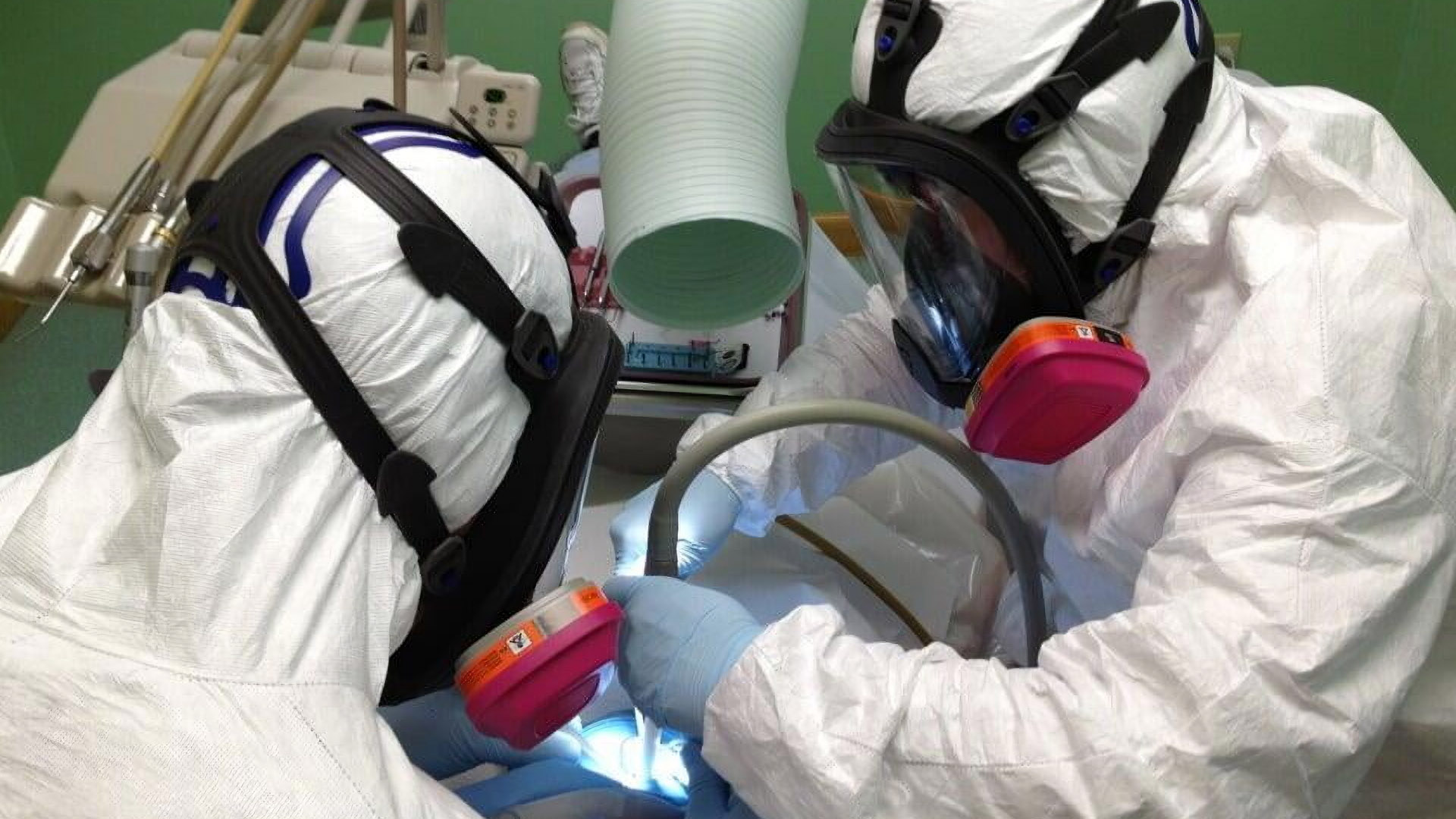
To assist dentists in learning about these new measures and how to apply them in their daily practices, the IAOMT designed an educational course for dentists. “SMART Certification” from IAOMT signifies to patients, professionals, and the community that a dentist has received educational training in the IAOMT’s Safe Mercury Amalgam Removal Technique (SMART).
Consumer demand for dentists who apply the most updated safety measures was a major catalyst for the development of the SMART program. So, the IAOMT also created a campaign called “The SMART Choice” that explains what the SMART protocol is, why it’s important, and how patients can find dentists who have completed training in SMART. The grassroots campaign encourages open communication between patients and dentists about the procedure for safe mercury amalgam filling removal.
Dr. Tammy DeGregorio, President of the IAOMT, explained of SMART: “Although the use of toxic mercury in dentistry should have ended years ago, it is still being used in the USA and a number of other countries. This means that millions of amalgam fillings will need to be removed for years to come. The IAOMT is offering the dentists of the world the opportunity to learn our SMART recommendations because all people of the world deserve to have their dental mercury fillings removed with the most up-to-date and scientifically-supported safety measures.”
Consumer demand for dentists who apply the most updated safety measures was a major catalyst for the development of the SMART program. So, the IAOMT also created a campaign called “The SMART Choice” that explains what the SMART protocol is, why it’s important, and how patients can find dentists who have completed training in SMART. The grassroots campaign encourages open communication between patients and dentists about the procedure for safe mercury amalgam filling removal.
Dr. Tammy DeGregorio, President of the IAOMT, explained of SMART: “Although the use of toxic mercury in dentistry should have ended years ago, it is still being used in the USA and a number of other countries. This means that millions of amalgam fillings will need to be removed for years to come. The IAOMT is offering the dentists of the world the opportunity to learn our SMART recommendations because all people of the world deserve to have their dental mercury fillings removed with the most up-to-date and scientifically-supported safety measures.”
For more information, visit The IAOMT’s recommendations for the Safe Mercury Amalgam Removal Technique (SMART). Or find a SMART certified dentist by clicking the button below.