
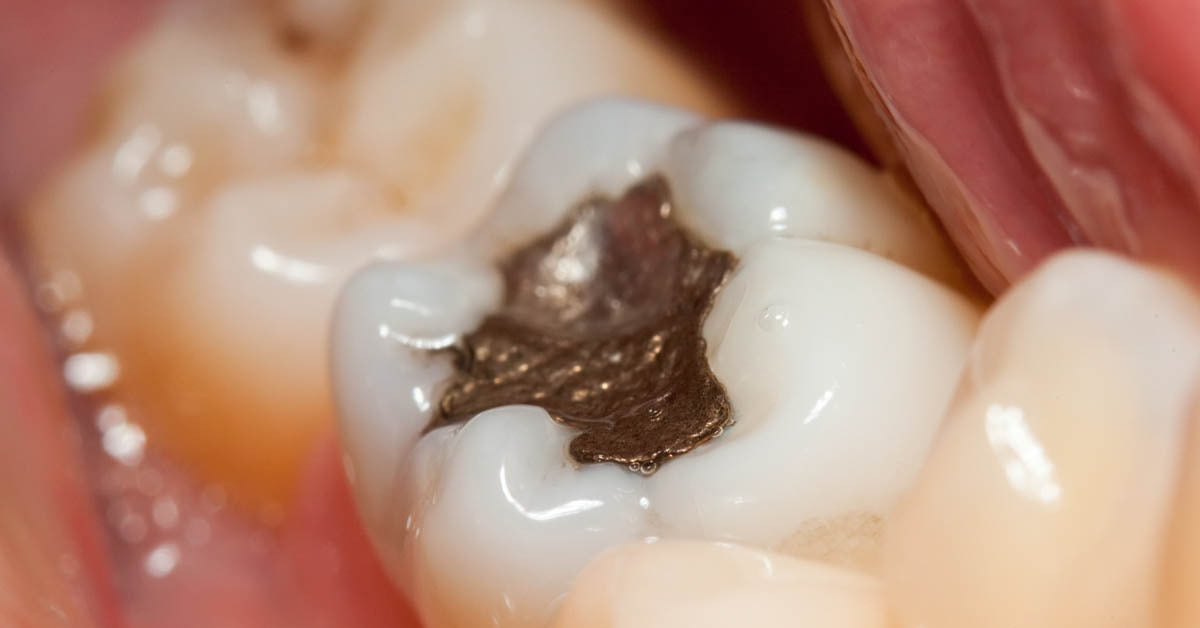
San Diego, CA, Oct, 6th 2022/ — This is an alert to the public provided by the The Preventive Dental Health Association (PDHA) that recently published data from the CDC’s NHANES database indicates one amalgam dental filling, which contains 50% mercury, exposes an individual to daily levels of mercury in excess of safety limits.
A team of researchers published a study, “Dental amalgam fillings and mercury vapor safety limits in American adults“, using data from the CDC’s 2015–2018 National Health and Nutrition Examination Survey [NHANES]. The study examined data representative of over 158 million Americans and included important risk factors such as sex, age, race, and poverty level. The researchers found more than 85 million adults are exposed to mercury from amalgam fillings at levels greater than the minimum risk level set by California’s Office of Environmental Health Hazard Assessment.
Lead author of the study, Dr. Mark Geier states: “Clearly the risk of mercury exposure from amalgam fillings and its negative impact on human health far outweigh any benefit that the dental profession might claim.”
Dr. Teresa Scott, President of the International Academy of Biological Dentistry and Medicine states, “The results of the study show it is past time to end the use of amalgam fillings”.
The alarming findings revealed the more amalgam surfaces one has, the greater amounts of mercury exposure. The study also showed Asian and Black males are more likely to exceed the safety standards compared to other groups. Among women, Blacks and Hispanics are the most affected groups.
In 2020, the Food and Drug Administration (FDA) recognized that mercury from amalgam fillings ‘off-gasses’ into the mouth and “certain groups may be at greater risk for potential harmful health effects of mercury vapor… The agency is recommending certain high-risk groups avoid getting dental amalgam whenever possible and appropriate”.
PDHA’s Dr. David Kennedy explains: “Every amalgam filling placed exposes patients to mercury, damaging their health as time goes on. Additionally, amalgam fillings can crack teeth, eventually needing to be removed, this time exposing dental patients and staff to mercury over OSHA’s safety limits. Thus it’s of the utmost importance that dentists protect their patients and staff by being certified in the Safe Mercury Amalgam Removal Technique (SMART), created by the International Academy of Oral Medicine and Toxicology.”